It’s autumn, when the Pacific Ocean coastal skies may be sunny or turn dark, ushering in the magnificent storm season. Either way, it’s a perfect time to explore the westernmost edge of the North American continent.
So my German Shepherd, Jack, and I headed out from our home on the Puget Sound to spend a week in the historic seaside resort town of Moclips, which was originally a village of the Quinault Indian Nation. Spaniards were the first Europeans to come ashore here at Santiago beach, adjacent to the Moclips River, which runs to Point Grenville.
Moclips was homesteaded in 1862, and in 1905 it officially became a town when the western most terminus of the Northern Pacific Railway was completed at Moclips and the first Moclips Beach Hotel was completed. Vacationers came to the beach by the thousands on the Northern Pacific. No trains run to Moclips these days and most remnants of the the railway’s existence have faded away. Click the photo below for more Moclips history.
Today Moclips is a sleepy little seaside town with pristine beaches that stretch to the horizons. The Moclips River flows from a natural riverine rain forest on a bed of agate rock. You can see the remains of the train bridge trestles in my photos.
I stayed at the Hi-Tide Ocean Beach Resort, a peaceful and well-maintained collection of very comfortable, fully furnished and tastefully appointed condos with patios facing the ocean, the river and the setting sun. Hi-Tide welcomes dogs! You can arrange rental on the Hi-Tide Resort website.
During our visit, we had a full compliment of weather: sun-drenched shorts and sandals weather at the beginning of the week, with marine air moving in, then darkening skies, wind picking up and rain by the time we left. It was, in a word, a perfect autumn week on the Pacific Northwest coast.
Here are some of my photos of the journey. If you use them, please attribute.
“The Man From Snowy River” was first published in The Bulletin, an Australian news magazine, on April 26, 1890. In October 1895, it appeared in a collection of Paterson’s poems, The Man from Snowy River and Other Verses.
In this video, Jack Thomson narrates Banjo’s poem, set to scenes and music from the movie.
The Man from Snowy River
By A.B. “Banjo” Paterson
There was movement at the station, for the word had passed around That the colt from old Regret had got away, And had joined the wild bush horses – he was worth a thousand pound, So all the cracks had gathered to the fray. All the tried and noted riders from the stations near and far Had mustered at the homestead overnight, For the bushmen love hard riding where the wild bush horses are, And the stock-horse snuffs the battle with delight.
There was Harrison, who made his pile when Pardon won the cup, The old man with his hair as white as snow; But few could ride beside him when his blood was fairly up- He would go wherever horse and man could go. And Clancy of the Overflow came down to lend a hand, No better horseman ever held the reins; For never horse could throw him while the saddle girths would stand, He learnt to ride while droving on the plains.
And one was there, a stripling on a small and weedy beast, He was something like a racehorse undersized, With a touch of Timor pony – three parts thoroughbred at least – And such as are by mountain horsemen prized. He was hard and tough and wiry – just the sort that won’t say die – There was courage in his quick impatient tread; And he bore the badge of gameness in his bright and fiery eye, And the proud and lofty carriage of his head.
But so slight and weedy, one would doubt his power to stay, And the old man said, “That horse will never do For a long and tiring gallop-lad, you’d better stop away, Those hills are far too rough for such as you.” So he waited sad and wistful – only Clancy stood his friend – “I think we ought to let him come,” he said; “I warrant he’ll be with us when he’s wanted at the end, For both his horse and he are mountain bred.”
“He hails from Snowy River, up by Kosciusko’s side, Where the hills are twice as steep and twice as rough, Where a horse’s hoofs strike firelight from the flint stones every stride, The man that holds his own is good enough. And the Snowy River riders on the mountains make their home, Where the river runs those giant hills between; I have seen full many horsemen since I first commenced to roam, But nowhere yet such horsemen have I seen.”
So he went – they found the horses by the big mimosa clump – They raced away towards the mountain’s brow, And the old man gave his orders, “Boys, go at them from the jump, No use to try for fancy riding now. And, Clancy, you must wheel them, try and wheel them to the right. Ride boldly, lad, and never fear the spills, For never yet was rider that could keep the mob in sight, If once they gain the shelter of those hills.”
So Clancy rode to wheel them – he was racing on the wing Where the best and boldest riders take their place, And he raced his stockhorse past them, and he made the ranges ring With stockwhip, as he met them face to face. Then they halted for a moment, while he swung the dreaded lash, But they saw their well-loved mountain full in view, And they charged beneath the stockwhip with a sharp and sudden dash, And off into the mountain scrub they flew.
Then fast the horsemen followed, where the gorges deep and black Resounded to the thunder of their tread, And the stockwhips woke the echoes, and they fiercely answered back From cliffs and crags that beetled overhead. And upward, ever upward, the wild horses held their sway, Were mountain ash and kurrajong grew wide; And the old man muttered fiercely, “We may bid the mob good day, No man can hold them down the other side.”
When they reached the mountain’s summit, even Clancy took a pull, It well might make the boldest hold their breath, The wild hop scrub grew thickly, and the hidden ground was full Of wombat holes, and any slip was death. But the man from Snowy River let the pony have his head, And he swung his stockwhip round and gave a cheer, And he raced him down the mountain like a torrent down its bed, While the others stood and watched in very fear.
He sent the flint stones flying, but the pony kept his feet, He cleared the fallen timbers in his stride, And the man from Snowy River never shifted in his seat – It was grand to see that mountain horseman ride. Through the stringybarks and saplings, on the rough and broken ground, Down the hillside at a racing pace he went; And he never drew the bridle till he landed safe and sound, At the bottom of that terrible descent.
He was right among the horses as they climbed the further hill And the watchers on the mountain standing mute, Saw him ply the stockwhip fiercely, he was right among them still, As he raced across the clearing in pursuit.
Then they lost him for a moment, where two mountain gullies met In the ranges, but a final glimpse reveals On a dim and distant hillside the wild horses racing yet, With the man from Snowy River at their heels.
And he ran them single-handed till their sides were white with foam. He followed like a bloodhound in their track, Till they halted cowed and beaten, then he turned their heads for home, And alone and unassisted brought them back. But his hardy mountain pony he could scarcely raise a trot, He was blood from hip to shoulder from the spur; But his pluck was still undaunted, and his courage fiery hot, For never yet was mountain horse a cur.
And down by Kosciusko, where the pine-clad ridges raise Their torn and rugged battlements on high, Where the air is clear as crystal, and the white stars fairly blaze At midnight in the cold and frosty sky, And where around The Overflow the reed beds sweep and sway To the breezes, and the rolling plains are wide, The man from Snowy River is a household word today, And the stockmen tell the story of his ride.
At the north western edge of the continental United States, with the Pacific Ocean at your feet, lie a handful of cabins – Iron Springs Resort. They are arranged on a bluff overlooking a vast horizon that stretches westward to the edges of what is visible, then dissolves into what is not visible to mere mortals.
As you walk at the edge of the pounding surf, the sandy shores seem to stretch to infinity from north to south. Keep walking – for hours if you like – and you’ll never reach the end. The sand, the surf and the springs and estuaries that feed into the ocean recede and dissolve until they exist only in your memory. As the tides come in and go out at the resort’s Boone Creek, where fresh water meets salt water, you can watch the fresh water rise up over the more dense salt water, while the salt water beneath pushes its way upstream along the bottom. But as you walk, beware the incoming high tide, or you may find it difficult to return to where you began.
The sounds of the savage ocean shore are primal, as if from a dream. The sea birds, screaming at your thoughtless interruption of their dining routine. The winds, from gentle to so harsh they’ll blister your skin. And the rhythmic symphony of the great ocean beast itself as it moves ever towards the shore, changing from swells to white capped waves to crashing surf, ending the cycle as a churning but ever thinner sheet of water conforming to the irregular nuance of beach, fragmenting into barely visible ripples that disappear, pulsing and absorbed into the sand, only to reform as rivulets of salt water retreating to the ocean to begin the journey again.
This is the endless world. The ocean. From the beginning of time through eternity. We have the privilege of being part of the world but for a short time, less consequential than a grain of beach sand that has existed for millions of years. In comparison, our lives are an almost impercipitible flash of energy, barely noted, lasting an immersurabley short time.
So you might as well take advantage of it. Find a place like Iron Springs Resort, with about 25 cabins perched on a bluff stained orange from the iron-filled cliffs, with ruddy cinnamon waters from the nearby Boone Creek staining the beach. In the 19th century, the area was considered to be a medicinal soaking place.
The cabins have ocean-facing decks, almost all with stunning sunset panoramas. The resort has been there for decades, but all the cabins have been extensively renovated, incorporating the original stone fireplaces, with a generous supply of firewood included. Though the cabins retain their rustic persona, they are equipped to the highest standard for your stay, whether it’s for the night or for the week. Kitchens are well equipped, with granite countertops and modern appliances, including a dishwasher. A full complement of cookware and dinnerware is in the cabinets, and there is a nice sharp set of cooking knives – a nice touch. Fresh linens and towels are included, as well as dog towels to wipe your best friend’s feet. Iron Springs Resort not only allows dogs, they love dogs. When I arrived for my first visit, I brought my German Shepherd, Jack, with me the office to check in and they spent more time talking to him than me, letting him pick out a nice tennis ball from the bucket to take to the beach. Oh yes, dog dishes are also supplied in the cabins.
The ambience at Rust Springs Resort is serene and congenial. The cabins are set apart so that privacy is ensured. Several people I met were repeat visitors, and I later found that many have used Iron Springs Resort as a touchstone for family getaways, reunions, bonfires and clam digs for generations. There seemed to be a dog or two in every cabin, with everyone respectfully keeping their buddies on the leash. The exception is the friendly resort dogs, who quite understandably are free to go where they like.
But once you take the five-minute walk to the beach, off comes the leash, and your dog will enter unrestrained cosmic canine bliss. Feel free to do so, as well! My GSD Jack takes off like a shot, with a rooster tail of flying sand behind him, until he gets to the water where he splashes around barking at the waves and chasing gulls. When he finally slows down, somewhat later, we walk and walk and walk. By the time we get back to the cabin, he’s ready for chow and a nice laydown, and so am I. Click here or photo below for video link.
There is no finer end to the day for me than sitting out on the cabin deck with a glass of wine, watching the sun slip into the ocean. Every cabin has a barbeque grill on the deck, if you’re in the mood. If it’s windy or rainy, you just move inside, prop your feet up and enjoy the same view through the expansive glass windows and door.
In addition to the Pacific Ocean beach on your front doorstep, there are hiking trails in the second growth forest behind the resort, with “wolf trees” that must get their name from the branches that look to me like wolf teeth. There’s also fishing, shell fishing, bird watching, as well as marine and rainforest parks. The razor clams are famous. The Hoh Rain Forest, a world heritage site, is not far away.
Iron Springs Resort is an easy two and half hour drive from Seattle. Head west through Olympia towards Aberdeen and then follow the road north to Ocean Shores. Ocean Shores will be your last chance for grocery and other shopping, and then you keep going north on Washington 109N about another 15 minutes. After you cross the Copalis River Bridge, keep watch for the large overturned lifeboat on the left, then turn into the parking lot. Check out of your hectic life and check into ocean time.
For more information on Iron Springs Resort, including the history of the area and resort, go to their website at http://www.ironspringsresort.com/ There, you will find out one unusual feature of the resort, which is that the beach in front is home to Copalis Beach Airport. It is the only known beach airport in the contiguous United States and the only stretch of Washington State beach where it is legal to land a plane. Timing is everything, in case you plan to fly in – the runway and airplane parking area are under water at high tide! Click here or the photo for the Washington Department of Transportation Copalis Airport link.
“Do not return to work. We have terminated your employment. Do not enter the grounds or we will have you arrested for trespassing.”
This Saturday afternoon, I was under the hood of my 1966 Chevy Impala 396 Super Sport doing some engine work by our barn when Mike pulled into our driveway in his shiny white Ford pickup truck to fire me. I worked at his cheese factory, just a few miles away, six days a week, 12 to 16 hours a day – except Saturday, which was usually a half day. If a reefer truck pulled in and needed loading, we’d be working no matter what day of the week it was.
Mike and his partner, Edgar, owned that cheese factory. When I saw them together, I often smiled to myself a little because they reminded me of a Laurel and Hardy pair. Mike was middle aged and over six feet tall, with broad shoulders and an even broader paunch. Every day, he wore a white dress shirt that never seemed to stay fully tucked in his pants, which had their own difficulty finding where his waist was located. Edgar was much older and a good foot shorter, stooped over and almost frail. His glasses were usually sliding down his nose, probably because the lenses were as thick as the end of a Coke bottle. Neither of the two was particularly cordial or pleasant to deal with. Mike seemed a bit of a bully, his face always on the verge of a snarl, and Edgar walked by you as if you weren’t in the room, on the rare occasions he left his office. Edgar did the books; Mike ran floor operations.
It was just a matter of time before they tried to get rid of me, so I wasn’t surprised at Mike’s news. I kept my mouth shut, nodded once, and turned back to working on my car. Mike backed down the drive and disappeared in a trail of dust kicked up from the dirt road that ran from our farm to the main road. I knew exactly why this happened and how I got here, and I had a plan.
Now in my early 20’s, I was an accidental union organizer. Up until a couple months ago, I’d never given a thought to that calling, and I never did again, though I have a working knowledge of unions and union organizers, from Mother Jones to Joe Hill to Eugene Debs to César Chávez. I also knew a thing or two about labor, growing up on a farm where we breathed work from early morning until late at night. When I was 13 years old, I hired out for the summer to a farmer on the other side of the county six days a week for room and board and $75 a month. My parents picked me up Saturday night and brought me back on Monday morning. This was good money for a kid in those days, and I was so busy working I had nowhere to spend it.
The next two summers I rode my bicycle several miles each day to weed, hoe and plant trees six days a week at a large tree nursery. The following autumns, I spent my weekends picking, grading and selling apples at a neighboring orchard run by an agronomy professor from the University of Minnesota. All the apples you could eat. After school and weekends, I worked maintenance at a restaurant and apartment complex, as a soda jerk at a drug store, and as a prep and line cook at a local restaurant. When I was 17, I graduated from high school, started college and worked between classes and semesters at restaurants, sod fields, gas stations, construction companies and even a destruction company, tearing down old buildings, including the school where I attended first grade as a child. I worked alternating shifts for one summer at a window factory. Graveyard shift was 7 p.m. to 7 a.m. One summer I spent hanging on for dear life on a portable scaffolding high above the ground taking down and putting up billboard advertising. Hot, hard work, particularly in the blazing sun holding a blow torch and burning off the old paper posters. I guess you could call me a poster boy.
Yes, I knew something about work and labor relations.
My goal now was to break the work and school cycle to travel Europe and Africa until whatever money I’d saved for the trip was spent. That’s why I moved from Minneapolis to my grandparents’ farm in Wisconsin to keep expenses low and save every penny I could. I first worked at a feed mill, then took a job at the cheese factory. Terrible pay, even by Wisconsin welfare belt standards, but working 60 to 80 hours a week – no overtime pay – still added up. I also bought cars, fixed them up and resold them at a profit. My trip to Europe was on track.
The cheese factory was a dump, an old industrial building with rickety, tacked-on stick additions outfitted with cheese making equipment and storage. It was freezing in the winter and a sweat shop in the summer. We made two cheeses: mozzarella and provolone. The factory bought milk locally and dumped the excess whey in a stream that ran alongside the building. EPA had just been founded a few years earlier, so there was little environmental oversight. Some farmers, including my grandfather, fed it to their hogs. We loaded the cheese on trucks bound for Italian food and pizza factories in Milwaukee and Chicago.
There were two professional cheese makers, but the rest of the work force were people like me – local men and a few women, doing what was necessary, going home at night smelling like whey and brine. We pressed the cheese curds into 12 pound blocks, then moved them from one brine vat to another to age and firm up the cheese quickly. After that, we vacuum packed it with industrial Cryovac machines.
Many of the crew had families, and all were just getting by, one miss-step away from the dole and the welfare roll. You made friends in a place like that, mainly because you could not afford to make enemies. We spent most of our waking day together. There was a small group of young men, some married, some not, who got together on Saturday night, drank beer and bar hopped. That was the high point of the week, and the only entertainment available in that part of Wisconsin. Arnie was my best cheese hound buddy. He was a competition level talker, wiry and tireless. He could drink twice as much beer as I could, and it never showed. Wisconsin boy.
Arnie lived a couple miles the opposite direction from our farm and the cheese factory in a modest mobile home on his father-in-law’s farm. His wife, Betts, was an all-American Wisconsin farm girl. Arnie met her when she was the county 4-H Queen. A sturdy gal, she was bubbly, pretty, and always friendly, with a bright smile. They’d been married about three months, and she was six months pregnant. There may have been a shotgun involved in the wedding arrangements.
It was Arnie and Betts who turned me into a union organizer. Not that they ever knew that, either then or now.
Arnie called me one night.
“Steve, I can’t make it to work tomorrow. Tell Mike that I’ll get hold of him later in the day.”
“What’s up, buddy,” I said. “Anything I can help with?”
“I have to take Betts to the hospital tonight. Something’s not right with the baby. I’ll let you know.”
When I got to work the next morning in the dark at 0600, I passed on the information. Mike grunted something under his breath and walked away. This was the first day I knew of that Arnie had ever missed work since I’d been there. He couldn’t afford to. There was no sick leave, family leave, paid time off – if you didn’t work, you didn’t get paid. And you might get fired.
Arnie stopped by the farm that evening. Betts was back home, and both she and the baby were fine. But the doctor told them that this was likely going to be an eventful pregnancy that would require more trips to the hospital and maybe a longer hospital stay closer to the time of birth. Arnie’s voice was trembling and his hands were trembling.
“I’m not sure how we’re going to do this without going into debt.”
I went in the house and got a couple beers, and we sat out on the porch and talked. Arnie was already in debt. He was my age, and he owed for the mobile home, a new septic he’d just put in, and his economical little Chevy Vega station wagon. Betts’ parents were farmers – they were comfortable, but cash poor, as anyone who’s run a small farm will understand. Arnie’s job paid poorly and provided absolutely no benefits. No paid leave and no medical insurance. Then, as now, private health insurance was costly.
All of us who worked at the cheese factory were in the same spot. Yet, 15 miles away there was another cheese factory where they had those benefits. It was a union shop. They had decent living wages, overtime, holidays and vacation time, retirement benefits, and medical insurance. They also had no job openings. It was considered to be one of the best places in the county to work.
The following day, I got the name of that cheese factory’s union steward and called him to explain the situation.
“I know all about your cheese factory,” he told me. “You’re not the first person to call me.”
He gave me the telephone number of the union’s regional office in Eau Claire, Wisconsin, about an hour and a half away. The International Brotherhood of the Teamsters. That night, the Teamsters representative called me back, and we talked.
“Yea, it’s the same all over,” he said. “First step is that you have to find out if there are enough workers interested in being part of our union. Many don’t because they’re scared of the owner. Ask around, but don’t use work time to discuss it. If you do, they’ll fire you and there’s not much we can do about it. If they vote the union in and they try to fire you, the Teamsters and Wisconsin’s Department of Industry, Labor and Human Relations (DILHR) will sue them, and we’ll win.”
That’s what I did. That Saturday night when we got together for our traditional Wisconsin social event, bar hopping, I brought it up. There was guarded interest. They all knew people who worked at the union cheese factory, and any one of them would have taken a job there instantly. So I told them to ask around, and if there was enough interest, the Teamsters representative would meet with us, answer questions, and if we were ready, set us up for the next step, which was a formal vote under Wisconsin labor laws and guidance.
It didn’t take long to discover that there was overwhelming interest. I arranged for the Teamsters representative to meet with all those interested at the party room at a local bar. Almost the entire work force, about 30 people, showed up. Yes, hell yes – let’s do it!
The Teamsters and the Wisconsin labor office contacted the cheese factory and set up the vote, monitored by all parties.
The results: Yes. Unanimous.
The cheese factory owners: mad as wasps who’d just had their hive knocked down. They were out for blood. When they found out who the instigator was – who the organizer was – it was my blood they were after. That’s when Mike came to my home to fire me.
Big mistake, Mike. Monday morning, I called the Teamsters office and reported what had transpired.
“Sorry to hear that, Steve, but that often happens. Here’s what we’ll do.”
They explained that it was illegal to fire me for organizing union representation, and doubly illegal to come onto my property at my home and do so. I had an excellent work record, was never late for work, and never missed a day. The Teamsters attorney sent a letter to the owners instructing them to immediately reinstate me with full back pay. They were to send me a registered letter and not call me or set foot on my property until I’d formally accepted the reinstatement by return registered mail. If they didn’t, they would be sued. On my part, I was not to have any contact with them until I had received and formally replied to their letter of reinstatement. If a factory representative came on my property, I was to call the sheriff.
Within a couple weeks, my comrades in arms welcomed me back to work. There wasn’t really any hugging; we shook hands and patted each other on the shoulder. From a safe distance. I didn’t have to buy my own beer for several weeks. That’s how it was in Wisconsin back then.
The owners glared daggers at me when I walked by. They watched me from across the brine tubs and looked out their office window when I left work. A couple times, I saw their trucks drive slowly by the house. Then I started seeing occasional, unfamiliar cars driving slowly by. Later, I found out that the owners were suspected of having mob connections in Chicago. The Mozzarella Connection. The Provolone Connection. The Pizza Mob.
Grandpa assured me that his rifles and shotguns were loaded, just in case any intruder should get past the dogs, which was unlikely.
The union was soon in place. Wages gradually increased, daily hours decreased and people had more time with their families, overtime was paid, and everyone had access to inexpensive health insurance. It became a sought-after place to work in this northwestern Wisconsin county, which had large pockets of abject poverty.
Betts did have a difficult pregnancy, but she came through it in good health, as did their baby boy. Last I heard, just before I left the area, they were working on a second baby. Arnie always needed to keep busy doing something, and Betts didn’t seem to object. Arnie was able to spend more time helping his father-in-law on the family farm, and I wouldn’t be surprised if he eventually took it over.
The Teamsters asked me to be the union steward, but I was already busy on my exit plan.
At the end of the year, Theresa and I set out with our Irish Setter “Erin” on a nonstop, 24-hour drive from Wisconsin to New York City in a 1963 Oldsmobile station wagon that one of Theresa’s neighbors in Eau Claire had given us when we told him about the trip. After spending a couple days enjoying Manhattan and Times Square, I gave the car to the valet at the Manhattan Holiday Inn garage on the condition that he drive us the next morning to the New York Port Authority Passenger Ship Terminal in Hell’s Kitchen. We’d booked passage on an Italian ocean liner, the SS Michelangelo, sailing from New York Harbor and bound for Cannes, France. It was the experience of a lifetime to sail down the Hudson River, past the Statue of Liberty on one side and Battery Park on the other, into the Lower Bay, and out through the New York Bight into the Atlantic Ocean.
The end of this story is just the beginning of another. My May 4 post on this blog, “Travels With Erin,” ended almost exactly where the story you’ve just read ends. The next installment will pick up where “Travels with Erin” ends, and I’ll tell you about our extraordinary ocean liner transit – and its cast of characters – from New York City to Cannes, then our journey to Rennes, France, where we bought a purple 1957 Citroën 2CV that we drove from Brittany in Northwestern France through Spain to North Africa and back to Vannes, at the entrance to the beautiful and historic Gulf of Morbihan in southern Brittany.
With that, Dick and I walked away from our girlfriends and our high school picnic and onto two lanes of blacktop just outside of Lakeville, Minnesota. We were 14 years old, had about $50 between us, and were leaving our boring lives attending a Lutheran high school in St. Paul, Minnesota, for the open road and eventually Mexico. We were running away.
We made a clean getaway. No one knew our plans except our girlfriends, Bonnie and Donna. They’d been sworn to secrecy. As the busses loaded to take the school’s students back to campus after the yearend picnic, the teachers neglected to take a head count. So it wasn’t until the busses arrived back at the school a couple hours later that they found out we were missing.
By then, Dick and I had hitched rides down miles of country roads, and the scent was dead. We were getting close to Northfield, Minnesota, following our plans to take the back roads south, staying off Interstate 35, but crisscrossing it so we’d stay headed the right direction. Our backpacks held a map of the United States, a compass, and copy of Jack Kerouac’s On the Road that I’d checked out from my hometown public library in Stillwater, Minnesota, with no intention of returning it.
What turned a farm kid from a small town – me – and a city kid from a big city – Dick – into cohorts on a teen runaway adventure? I had my reasons. I’d been bounced around schools for the past three years as my parents tried to find a place where my attraction to turmoil, truancy, and trouble might be mitigated. I insisted that I didn’t go looking for trouble, but trouble always found me. They didn’t buy it.
First stop after eighth grade at Stillwater Junior High was ninth grade at a Lutheran school in Maplewood, Minnesota. Going from a class of hundreds to a ninth grade class of 20 was a jolt. Though hardly a religious soul, I found new comfort in the daily meditations, studying biblical history, and the ubiquitous Lutheran fellowship that included hayrides, roller skating parties, and music. Lutherans I grew up with were always singing and playing instruments. I played piano for the choir and trumpet in the small, but award-winning school band. If Garrison Keillor and Lake Wobegon comes to mind, you’re not far off.
As this school only went to ninth grade, however, my parents arranged for me to attend tenth grade with our pastor’s son and daughter at a Lutheran high school in St. Paul, a rather long daily commute from our farm in Stillwater. My 14-year-old persona turned going from the top of the pile in ninth grade to bottom of the heap in the tenth into a provocation. I discovered that many of the students at this small school were there for the same reason I was: they had a penchant for insubordination, incorrigibility, and disdain for authority. We troublemakers found each other immediately. To boot, this Lutheran school was part of an evangelical synod, which just begged resistance and rebellion.
I was in trouble from my first day, when a teacher pulled me aside in the hallway and told me to go immediately to the bathroom and tuck in my shirt. I had the audacity to ask “why.” It was downhill from there, and the stage was set for another trouble maker, Dick, and me to thumb our noses and go on the run. The final straw was when the school principal called me into his office and slapped me across the face because I wouldn’t “wipe that smile off your face.”
Now here we were, on the road, and committed to the run. As night was falling, we were getting hungry and thinking about where we were going to sleep. Hadn’t really factored that into our planning, but runaways are resourceful. Our last ride of the day dropped us in the small town of Cannon City, just outside Faribault, Minnesota. It was early June, so the days were long and the weather was fine. We stopped at a small grocery store and bought a loaf of bread and some summer sausage for dinner. We dined en plein air in a park by the side of the town’s lake, then walked to the edge of town where under cover of darkness, we appropriated the front and back seats of a large old car in the back row of a used car lot. We slept well, in spacious comfort, and woke early. We finished the last of the bread and sausage for breakfast and put our feet on the road once again.
“The woods are lovely, dark and deep. But I have promises to keep, And miles to go before I sleep, And miles to go before I sleep.” – Robert Frost.
Our first ride was with a farmer in a beat-up pickup truck.
“Where you boys headed?”
We smiled at each other. Now began the fun. We had just been given license to lie through our teeth! We couldn’t let on what our plans really were, so we lied, and lied, and lied. We made up everything. We made up our names. We made up where we were from. We made up where we were going. We made up why we had left where we were from and why we were going to our fictitious destination, always just beyond where our driver would drop us off. We told each of our rides completely different stories. Sickly aunts, uncles who’d just died, parents who’d dropped us off and were meeting us later, life stories that were pure fantasy, stories of lost family wealth, stories of heartache and sorrow. We faked our accents. Dick could do a great British accent, so he was from London. Or Ireland. Thanks to my aunt and uncle, I did a mean Texas drawl. We really were incredible liars.
I don’t know if anyone believed us. It didn’t matter. That day one of our rides shared his lunch with us, and another bought us more bread and sausage for supper at a small store. We’d bypassed Faribault and Owatonna on the back roads, and we were now just north of Albert Lea. Our last ride dropped us near a freeway entrance. There was no town nearby, so we started walking down an adjacent country road. It was getting dark, and there were no towns, or even houses or farms. We came across a deserted portion of the freeway that was under construction and decided to take shelter for the night under a partially completed overpass.
As we settled into our concrete cave, it grew increasingly colder. We curled up in our jackets and pulled some of the few clothes we brought along for warmth and insulation from the ground. We had packed our bags for Mexico, not Minnesota.
Eventually, we both fell into a troubled sleep. Then we woke to a sound. It seemed to be coming from directly over us on the overpass bridge. Then we heard it again. Could it be someone walking around up there? Was it the police? Had they found us? Or was it…what? A criminal escaped from prison? A wild animal? A werewolf? An ax murderer?
We froze in stillness, afraid to move lest we give away our position. We conversed in whispers. We remained wide awake until morning. The sound was still there. Summoning up courage from the depth of our souls and using extreme stealth, we crawled on our bellies to gain a vantage point and see what the hell was up there. As we slowly, slowly peered over the side of the bridge we saw it.
An empty paper concrete bag flapping in the breeze.
We smiled, then we started laughing. We laughed so hard tears were running down our grimy faces. We had been held down all night by a paper bag!
We got back on the road and started walking, thumbs out. Almost immediately a car stopped to pick us up. The driver opened the door and took a long look at us.
“What on earth are you boys doing out in the middle of nowhere this morning?”
Now we woke up. Time to do our best improv duo for the nice man in the car. We did “lost boys.”
“We’re on our way to visit our grandparents in Albert Lea. I’m Bob and this is my brother Brian. Our parents let us off just down the road because mom felt sick so dad was going to bring her to the doctor. We didn’t want to wait, so dad said we could go ahead. Well, we musta’ took a wrong turn back there, but if you could drop us off at the next town, we’ll call our grandparents and they can come pick us up.”
“Why sure, boys, there’s a little town just ahead. Do you want me to call your grandparents for you from the pay phone there?”
“Oh, no sir. I have a dime for the phone. We’ll be just fine.”
We washed up at a gas station and bought more bread and sausage at the grocery store. A loaf of Wonder Bread was about 20 cents, so our meals were costing us about a dollar a day. We put a couple candy bars in our pockets as we walked out the door. We figured we’d be good until we got to Mexico, where we could just eat the fruit off the trees. That afternoon we crossed into Iowa at Emmons. Our last ride brought us into the sleepy little town of Lake Mills. Just four states to go.
It was still early in the evening, so we decided to see if we could get one more ride. We were getting pretty crafty. We watched to see if oncoming cars might be police cars. We hadn’t seen any so far. But when we looked closer, we could see a car with those bubblegum machines on top coming down the road. We jumped off the shoulder and ran into the bushes. As soon as the police car passed, we got back on the road.
Well, two boys jumping into the bushes at the sight of a police car roused the officer’s curiosity, so he’d turned around and come up from the other side when our backs were turned.
“Hello, boys. You’re not from here. What are you doing in Lake Mills today? Come on over and hop in the car so we can talk.”
I was pretty sure we weren’t going to be able to lie our way out of this, but that didn’t prevent us from giving our best effort. We started with false names, relatives in the next town, etc. The officer wasn’t having any of it.
“Let’s see. Those names don’t ring a bell. How about these names?”
He already had our names. Should have known.
If there was a flaw in our plan, it was that Dick’s father was the chief of detectives at the St. Paul Police Department. So when our little adventure was discovered, every police department in the five-state area was notified. If you remember Car 54, it was an APB – an All-Points Bulletin. Two runaway boys. One’s dad is a St. Paul police detective. Find them.
“We’re notifying your father, Dick, and he’s going to come down to pick you up. He’s been expecting the call. Congratulations! You made it quite a ways. As you are both a flight risk, we’re going bring you to our jail and lock you up. We don’t have anyone in jail right now except Carl, our town drunk, so you’ll have the place to yourself. We’ll get you supper, and there’s a shower. Then you’re going home.”
My first thought: please leave us in jail. When we get home we are going to be in so much trouble. When we get back to school, we are going to be in so much trouble. We are in trouble, right now.
It was a comfortable jail. There were two officers on duty. They brought us a hot Midwestern supper with generous portions from a local restaurant – thankfully, not sausage – and they sent Carl out to buy us a six-pack of Coca-Cola. It was about midnight when Dick’s parents arrived. They were very calm. I’m sure they were mad, but they were more relieved than anything. They’d brought snacks for the long drive back to St. Paul. Dick’s dad drove a big white Chrysler Imperial sedan, so we were both asleep in the back seat almost instantly. We woke up at Dick’s house, where they fed us breakfast and we all had a little, ahem, talk. My parents arrived an hour or so later. I could tell my mother was seething, but my Dad just smiled and said, “Well, Steven, how was your little journey.” My little journey. As I was likely to be grounded for the next year, it was going to be my last one for a while.
We were back at school the next day. More long conversations. The teachers stared daggers into our hearts. The principal of the school asked me if I was planning on attending this school the next year. Nope. No way. He said that would make it simple because he would not then have to go to the trouble of denying a request for my return.
When they let us lose into the halls for our classes, we found that we had become legends in our own time. Upper classmen came up to us and said: You two have balls of steel! Our girlfriends hung on our arms, and the other girls were all smiles, with come hither looks. We retold our story over and over, enhancing it as we went. We got a ride with a race car driver who was going 100 mph, the bag flapping on the bridge became an old man with a shotgun firing at us as we ran away in the dark of night, and the police officers in that little town in Iowa told us they were locking us up for good and throwing away the keys. Or something like that.
The next year I was back at Stillwater High School, as a junior. Four schools in four years. I was on a first name basis with every school counselor.
That would be the end of the story, but several years later when I was attending the University of Minnesota, I ran into Dick on campus. He looked exactly the same. He was majoring in criminal justice – going to be a detective just like his dad. We went out for beers several times and remained good friends until our paths once again parted.
One of the last times I saw him, Dick said, “Hey, Steve – let’s run away again. I’ve never had so much fun!”
When I opened my eyes to the bright winter sun that morning on our terrace in northern Bavaria, Erin was gone.
The old gray muzzle lay on my lap, his last breath, a sort of sigh, caught in his chest. There wasn’t so much as a slight breeze, and my own breath, hanging in the air, partially clouded my glasses. This was the first breath I’d taken in 17 years without my constant companion and fellow traveler, Erin Alex of O’Lannon.
“He had a very strong heart,” said the vet as she packed her bag and made her way out. I listened to the door close and to her footsteps down the concrete walkway. I heard her car door close, the engine start, and the car drive off. Erin was now completely limp, the tension of fighting death blissfully gone.
Yes, he had a strong heart, a true Irish Setter heart, but in the end that was all he had left. He was a big dog for an Irish setter, from field trial stock, and he weighed about 85 pounds. But the last several weeks had seen a dramatic loss of strength in his hind quarters until there was little feeling or movement left. I was not giving up, and I fed him a vitamin packed mixture of food he loved, meat and cooked carrots, then carried him outside and held him up while he relieved himself. We got along like this, and he was giving it his valiant best. I brought him to the vet for shots and therapy. It helped for a while – he seemed to recover. Then he relapsed.
When he stopped eating and no longer had the will to pull himself up on his front legs to greet me, the time was at hand to make that decision every dog lover dreads. Erin had taken to barking softly, until I sat on the floor and stroked his head, which laid in my lap. His message to me was clear: “I must go now.” There would be no more walks in the forest behind our house. Our world travels would end here, in this tiny Bavarian village of Schraudenbach, just north of Würzburg. He needed to shuffle off this mortal coil, to be released, to die, to sleep: perchance to dream for an eternity of chasing birds, running beaches, and swimming in cool water. I’d bury him next to an ancient Hun burial ground we’d discovered on one of our long walks.
I hoped he might die naturally, just drift off from sleep as he went from my hands to those eternal hands of lasting peace as nature took its course. But the natural world has a most cruel and incomplete aspect that almost never lets that happen. We must play God. We cannot let our animal friends suffer.
I called the vet. We had rehearsed this the last time I brought Erin to her office a week before. She’d provided a very strong sedative to give him early on his last morning. When she arrived, Erin and I were sitting on a warm blanket in the sun on the terrace. He was sleeping soundly, the drug his last respite from pain and from the frustration of not being able to enjoy life as a dog. A quick, painless injection and he passed gently, so gently, into that good night. Old age did not burn and rave at close of that day, and there was no rage against the dying of the light. I was grateful for that.
Now I was alone, without my cherished friend and traveling buddy, for the first time in almost two decades, which at that time was about half my life. I have not stopped thinking of Erin all these years, and now it’s time to tell the story of my travels with Erin.
Seventeen years earlier
“I’m going to get a dog.”
Certainly it wasn’t the best time, working nights tending bar to support myself while I attended university. But would it ever be? I grew up on a farm, surrounded by animals, and I always had a dog. Now, years later on my own, I missed those animals, and I really missed my dogs.
“What kind of dog are you going to get?”
An Irish Setter. I’d spent a winter ski bumming at Aspen, and my first job was working part-time as an attendant at Aspen Airport to pay for my meager lodging and a three-mountain ski pass. One clear mountain day, a family traveling with their Irish setter asked me to mind him while they got ticketed, checked in and were ready to board. I immediately fell in love with this most handsome Irish gentleman, so dignified, yet warm and friendly. Within that 15 minutes, we became best friends. Then, it was time to go. He had a plane to catch with his family, and I had a plane to unload, and more passengers to assist. But his image and his demeanor persisted in my thoughts.
Though I’d grown up with herding dogs, I was about to get an entirely different kind of dog. I located a Wisconsin breeder of field stock Setters and picked my puppy, eight weeks old, registered Erin Alex of O’Lannon. We could not imagine that the next dozen and a half years would bring us to cities, countries and continents unknown. Little did I know that at the end of his life I’d bury him in a Bavarian forest, his grave surrounded by Hun burial mounds. No one would know such things, nor want to.
He got used to travel right away. During the first car ride we took in my girlfriend’s father’s new car, he vomited, peed, and pooped all at the same time on the back seat. Having gotten that out of the way, he never did any of those things in a car or a travel kennel again. But what a way to start things out with Theresa’s dad, my future father-in-law!
The day we left Wisconsin in a raging winter storm and moved to San Francisco. Erin’s in the lower right. Bye snow!
We traveled. Traveled and moved, moved and traveled. I wanted to live everywhere. We lived in the city, in the country, and out of the back of cars and vans. We rested our traveling bones in motels, hotels, and tents in the forest. Colorado mountain streams, north country Wisconsin lakes and woods, Pacific and Atlantic Ocean shores, and African deserts became familiar territory. Though Erin took to every environment and made it his home, he loved the Wisconsin family farm more than any other place. There were fields to race through, nose to the ground, with swamps and ponds to splash and swim. He cut his foot wide open once on a piece of glass submerged in a smelly bog. I wrapped his foot in my shirt and drove 90 mph to the nearest vet. He was bleeding so badly that there was no time to put him under for surgery. I held him down while the vet sewed him up. It was messy. That slowed him down for couple days, but he bounced right back.
Inside Shakespeare and Company in Paris. “Be not inhospitable to strangers lest they be angels in disguise.”
We decided to go to Europe. I’d been reading the expat Lost Generation writers: Henry Miller, Ernest Hemingway, Anais Nin, John Dos Passos, Djuna Barnes, F. Scott Fitzgerald, and Gertrude Stein. I dreamed of renting a room above a boîte in the Quartier Latin of Paris, drinking wine on the terrasse of an outdoor café and discussing philosophy with Jean-Paul Sartre (who was still alive at the time), or settling into a well-worn couch to browse a beat up copy of Rimbaud’s’ “Une Saison en Enfer” at Sylvia Beach’s bookstore, Shakespeare and Company. You have to start somewhere! But I never did meet Sartre.
Oh, and Erin was coming along. We were going to travel until our money ran out, and I wasn’t sure when we’d be returning to the America, so Erin would be with us. We went to a travel agency around the University of Minnesota, and the travel agent scared the hell out of me with stories about the possible misfortunes awaiting dogs traveling in the belly of an airplane. Erin was going with us, but not like that.
While looking around the agency, I picked up a brochure about transatlantic ship crossings. There was the answer! Nine days crossing on an Italian luxury ocean liner, all meals included. Dogs were welcome, there were kennels on board, and to top it off, there was a “student price” that was even less expensive than air fare. We pulled out our eternal “International Student Identification Cards,” booked passage, and began preparations to board the SS Michelangelo in New York City a few months later.
Let the adventure begin!
From the roof of our hotel, the Holiday Inn, NYC, the day before boarding the SS Michelangelo.Deck of the SS Michelanglo as we steamed out of New York Harbor. Destination: Cannes, France. World Trade Center twin towers in the background.SS Michelangelo departing New York City harbor
I was out for a drive in my 1956 Jaguar MK I 2.4 saloon a while back. My purpose: pick up a few provisions at the grocery store in the nearby small town.
This drive started out like many others – not in a hurry, not concerned with when I leave, how long it takes or when I get home. The Jag and I start out slowly, letting the car’s fluids warm up, and we eventually end up hitting a long stretch of road, running the revs up to blow a little carbon out. The added benefit is keeping the bearing seals lubricated, moving the grease around in the various components, and keeping the rings and valves free. It doesn’t hurt that we get to enjoy the appreciating nods, looks and waves from other motorists and pedestrians, as well, who are mostly pleasantly surprised to see this wonderfully sculpted vision from an automobile era long past gliding down the road with a bit of a growl coming from under the long red bonnet that is accented with the famous pouncing Jaguar hood ornament – know to Jag owners as “The Leaper.”
Today, as I pull onto the highway from a traffic light near home, I spot an early 1960’s Jaguar Series I XKE a few cars back in the line. No time to wave as I’m cranking the large, non-power steering wheel onto the road and changing gears at the same time. Vintage Jaguar owners always wave at each other, and occasionally newer Jaguar drivers do, as well, in recognition of their own car’s heritage, if they happen to recognize it.
It didn’t take long for the XKE to move up almost directly behind me, weaving to the side occasionally to take a peek at my Jaguar Mark I in this statistically improbable encounter with another vintage cat on a country highway. There are darned few XKEs on the road today, but there are far fewer of the Mark I, which was only made from late 1955 through 1959. Not many were imported into the United States, and not many of those survived the ravages of rust and bad mechanics over the past 60 years.
As we pulled into town, the cars between the XKE and us started to separate off on side roads, leaving the XKE directly following me into town, a sight that was having an joyful effect on drivers of oncoming cars and pedestrians who were waving, giving a thumbs up or a two-finger victory salute. I wondered how many of them really knew the significance of the automotive history passing them by. Very few, likely. Most were just enjoying the sight of two beautiful old Jags out stretching their legs: my Mark I, with flowing curves emanating from the distinctive oval grill, sweeping back to a single point at the rear, and the XKE, one of the most beautiful and sensuous roadsters ever built. In any case, they were seeing a couple beautiful old Jaguars that brought them a smile and maybe for some, a memory.
1962 Jaguar E-Type Series 1 3.8 Roadster
When we stopped at the next light, I had the opportunity to put my arm out the window and give my fellow Jaguar driver a hearty salute, and he returned with his own. We both turned at the light and rolled on through town. As I signaled and turned left off the roadway into the grocery store parking lot, the XKE passed on my right, with a toot of the horn, leaving behind the sweet sound of that 3.8 liter Jaguar twin-cam six.
There’s transportation, and there’s transportation. Humanity has been moving across land from one place to another over the centuries, creating roads and trails to move on and vehicles to move with from Point A to Point B. The horse and the wheel facilitated the process over the millennia, and then the invention of the internal combustion engine at the end of the nineteenth century brought individual motorized transportation into practical use.
Though this evolution of travel came about because it provided a more efficient way to travel, it also meant that some would look beyond the basic conveyance and add style, fashion, design, art and excitement. Remnants of horse carts have been found in pre-historic Celtic graves, and the earliest known carriages were the Mesopotamian war chariots dating back to 1900 BC. Even these early wheeled vehicles were the subject of design and decoration, with constant improvements to performance. This culminated at the end of the 19th Century with some very extraordinary carriages that had specific purposes from family outings to sport driving.
Nineteenth Century Carriage
Design and performance matter. The Romans bred fast and powerful horses to pull their war wagons, with an eye on a favorable horsepower-to-weight ratio. Just as the Romans tested their horses and chariots in races, it didn’t take long after the introduction of those first few cars before we started racing them. Speed and power were at first in the hands of a few, but as technology developed and became more accessible to everyone, cars became faster, more comfortable and more beautiful, from the two-seater Stutz Bearcat of the early 1900s to the luxurious and very fast Duesenberg Model J and the blazing fast but highly practical Ford V8s of the 1930s. The definitive Jaguars of the early 1930s were first known as SS 1 and SS 2, derived from the original manufacturer name: Swallow Sidecars.
SS 100 3½ Litre Roadster
If you couldn’t buy a fast car, you could make one, and the consummate inventor, the American hot rodder, was born. I remember my Dad recounting with obvious pleasure how in the 1930’s he tuned his first Model T with hot magnetos, twin carbs, shaved heads and a high-speed rear end. The Jaguar I’m driving today was my Dad’s car. He was a mechanic and taught me how to turn a wrench. He put me in the driver’s seat of his 1950 Dodge Coronet with Fluid Drive – an automatic with a clutch – when I was 10 years old, and I’ve been driving ever since. He collected cars, favoring Packards, Studebakers, and Hudsons. Just before he passed on, he gave me the Jaguar. I remember his instructions: “There’s no synchro in low gear on this car, Steven, so you’ll need to double clutch. There’s nothing wrong with the transmission, it’s just the nature of the English Moss gearbox.”
Dashboard of my 1956 Jaguar MK I 2.4 Saloon
I get back into the car with a bag of groceries, turn the steel ignition key cylinder on the dash board and push the chrome starter button. The twin-cam XK six comes to life with a slight snarl, worthy of a car named after a large cat. With a pull of the gear lever back into second gear, I then push it directly into first before starting out. I put my hands on the steering wheel, which still has the leather cover my Dad had sewn on. The “cat” stares back at me from center of the wheel. The only two people who have driven this car in the last 50 years have been my Dad and me.
As I pull onto the street, I double clutch into second, as Dad had recommended in that last phone call. A few people nod and wave as I go by, but my mind is elsewhere. I’m not ready to go home. I’m going to take a drive.
“He did not think of himself as a tourist; he was a traveler. The difference is partly one of time, he would explain. Whereas the tourist generally hurries back home at the end of a few weeks or months, the traveler, belonging no more to one place than to the next, moves slowly, over periods of years, from one part of the earth to another.”
― Paul Bowles, The Sheltering Sky
I spent days in North Africa completely lost.
Blissfully, hopelessly lost on unmarked mountain roads littered with fallen rock, dusty highways disappearing in the shifting sands, and village roads that narrowed until the only way out was to reverse and back down amidst children swarming the car and peering in the windows.
Some begged a handout and others implored me to buy whatever they had in their hands, a trinket, a blanket, a pair of sandals, or a small bag of “kif,” the ubiquitous mixture of tobacco and hashish widely smoked in water pipes by men sitting in the shade, sipping fresh mint tea, and sometimes playing drums, reed flutes, or an endless variety of bowed and stringed instruments of various shapes and timbre.
Children of the Rif Mountains
Berber and North African music sounds very different to the Western ear – mystical, trance-like. The scales can be double harmonic, quarter tone, odd numbers of equal intervals, Locrian, Aeolian, or a mixture of any of these. The songs are mostly without beginning, without end – a circular story repeated over centuries with minor variations. Though I could not understand the words, I often felt I understood the narrative. It’s fine if you don’t believe that. I’m not sure I do.
Click the photo below to listen to Moroccan singer Oum.
Moroccan singer Oum El Ghaït Benessahraoui
To become truly lost in North Africa, follow the music and step through the timeless portal of the medina or souk – the old market – in any city in Morocco. These centuries-old inner cities are most often the center of the ancient kasbah or medina, built with high, windowless walls to protect the inhabitants.
Medina, Marrakech, Morocco
A few steps inside, streets rapidly narrow to walkways under the overhanging buildings that seem to almost touch when you glance skyward. Within 100 meters, you can no longer see where you entered as alleys and passageways branch off in all directions. You can’t get your bearing or direction from the sky because the souk is built purposefully to protect you from the sun’s midday heat. Paul Bowles wrote in The Sheltering Sky:
“How fragile we are under the sheltering sky. Behind the sheltering sky is a vast dark universe, and we’re just so small.”
Stone-paved passages twist and turn, obscuring both the direction you’ve come and the direction you’re going, with partially hidden walkways snaking off at bizarre angles, sometimes leading into a secret courtyard, sometimes pulling you into a building then out again the other side, sometimes leaving you at a complete dead end.
There are more and more people around you as you go further in; women in kaftans sweep by, creating a scented breeze in their wake, and men in traditional coarse woolen djellabas peer out from under pointed hoods. You blend in to their pace, your walk taking on the side-to-side direction of the traffic flow, like cells splitting and multiplying, randomly, chaotically. You begin to pick destinations a few feet away so that you can keep what’s left of your sense of orientation. You choose distractions that allow you stand for a moment, often in wonder.
Hungry? How about fresh cakes, pastries and biscuits fired in stone ovens. Feeling daring? Sit down on the carpet in front of the man deftly handling the cobra. He speaks 10 languages. Perfectly safe, he says. Stop and listen to musicians playing Berber folk music, popular Chaabi, mystical Gnawa, or classical Malhun. Need to cast a spell? Talk to the woman in the muti (African magic) shop about purchasing phials of ground animal bones to deal with someone who has maligned you. A large vat of roasting nuts juts into the narrow and crowded passage – careful, those pans are hot!
If you can dream it, you can find it at the souk: rug merchants, artisans, tailors, bakers, spice merchants, weavers, dancing boys, jugglers, storytellers, acrobats, fortune tellers, snake charmers, drummers, and more.
Snake charmers, Marrakech, Morocco
As you walk, shopkeepers will plead with you to enter their store, have some tea and see what they have to sell. Accept their offer! Take respite from the smoldering cacophony on the street to rest and breathe. You are now a guest, as well as a potential customer; you will be treated very well, with fresh mint tea brewed in front of you. Sit with the merchant on a rug in the back of the store sipping your tea while he patiently explains why you would be foolish to go anywhere else to buy exquisite carpets, hand-worked brass and jewelry, beautiful hand-sewn clothing, or high quality hand-dyed leather goods from camels, goats and sheep.
Medina, Marrakech, Morocco
Should you find that gorgeous kaftan that you simply must have, go slowly. The starting price is just that: a start. The time-honored process is that you will negotiate. You’d be foolish not to, and the merchant will think you’re crazy if you don’t. It’s also fine to tell the merchant that you want to look around a little more. He will complain and reluctantly offer you an even lower price as you walk out the door. If you don’t find something you like better, he will welcome you back later like a long-lost friend and give you an even better price. “For you, madam, 400 dirham. Last price.”
For that is the reason the medina, the market, and the souk have existed since the beginning of time: commerce. Everything is for sale. Everything has a last price at the market. Everything must be sold.
If you get lost, which you hopefully will, you will also always find your way out. Eventually.
Bob, a US Navy officer, and Robin invited us to share their villa, which they rented from a colonel in the Moroccan army and his wife, who was a niece of the King of Morocco, Hassan II. Several other villas in Mehdia Plage were rented by Navy staff and Peace Corps volunteers who worked out of Kenitra, so there were parties and barbeques on someone’s veranda every night with fresh caught fish, booze from the Navy liquor store, Spanish beer and Moroccan wine.
There was also a contingent of Australian surfers who were staying in their busses and vans on the beach or were crashing – now called couch surfing, in an interesting twist – with their new American friends. Traveler friends are easily made; these friendships may last a day or a lifetime. You never know.
While travelling, I often met Australians who were on an extended road trip in what I came to know as a “world walkabout” before settling into jobs and family and life in Australia. Sitting at a bar on a ferry from Italy to Corfu, an Australian traveler explained to me that because Australia was so far from anywhere else, when people left their homeland to travel, they would often travel for a year or more at a time. Three to five years was not unknown.
The standing operating procedure was to fly into Amsterdam, buy a vehicle, and hit the road with a vague destination or no destination at all. The only objective, if possible, was to set their homeward heading to return to Amsterdam, sell the vehicle to another traveler, and return to the mother land. My informant said they referred to it as going “walkabout,” after the traditional rite of passage for young indigenous Australian males who went into the bush for months. Modern Australians go walkabout to itch their wandering feet, travel beyond the horizon, and see what they haven’t seen. Don’t we all?
Crocodile Dundee: “I was sorta’ married once – – nice girl, good cook, biiig chest. Then I went walkabout, and when I came back, she’d gone.”
Turns out, the ocean right in front of our villa was a world surfer destination. Though we came to Mehdia Plage by happy chance, our new Aussie friends had come here for the waves.
Their collective walkabout, defined by a passion for surfing, was to hit every great surf beach on the African continent. Most had been traveling well over a year in a caravan collective of VW, Peugeot, Land Rover and Citroën busses and vans with surf boards strapped on top. They’d even picked up an American from New York City somewhere around Cape Town some months back, and he was starting to talk with a mixed New York/Aussie accent, which was sometimes unintelligible, but still a delight to hear.
VW camper from that eraLand Rover in its element
That was our big, happy family at Mehdia Plage: US Navy, US Peace Corps, Australians, and a wide range of Europeans. We co-existed peacefully with Moroccans, who were either very pleased to be making so much money from renting out their villas or who were Moroccan military from the nearby garrison. A poste de garde at the entrance to the village, protected by a Moroccan soldier with an AK-47, kept watch on everyone coming and going.
Mid-winter coastal North African weather was a little chilly at night, with the morning sun quickly moving temperatures to the mid-70s. For Westerners, the uniform du jour was shirt, shorts, and sandals.
Daily routine was simple, beginning with a light breakfast of fresh oranges, Berber bread and coffee. Afterward, perhaps a lingering game of chess on the balcony, a trip to the Kenitra markets, a walk on endless beaches that stretched from one horizon to the other, or watching the Aussies catch wave after wave. Dinner was cooked chez nous, or we might walk up the street to join the Peace Corps, often barbequing a large fish that someone had picked up at the fishermen’s dock that morning.
The evening almost always ended with a glass of wine somewhere in the village with our Navy, Peace Corps, Australian, European or Moroccan friends watching the most spectacular sunsets imaginable over the Atlantic Ocean, the sun sinking slowly, slowly down, then suddenly, in a fleeting moment, being swallowed into the sea in a blaze of shifting color.
A word of caution: never try to outdrink an Australian. Consider yourself doing well if you can just keep up the pace.
There was a clacking noise coming from the front end of our 1957 Citroën 2CV. At first, I only heard it when turning left, but then, as the kilometers rolled by, it changed from clacking to non-stop grinding. Wheel bearing, maybe. Or a CV (constant velocity) joint, perhaps. Time to find a garage and see what was going on.
This was to be my first repair on this ancient and primitive vehicle, which could best be described as a tin can powered by a lawn mower engine with seats made of rubber bands. We’d purchased it for $200 in Brittany, not long after arriving in France, to transport us on our adventures in Europe and Africa.
We began our travels in Rennes, drove down the Atlantic coast of France, cutting inland at Bordeaux, then south at Toulouse into the Catalan Pyrenees. Our last port of call in France was the sun-drenched Mediterranean city of Perpignon. From there, we set a new direction south again into Spain, through Barcelona and Valencia, crossing the Alboran Sea by ferry from Almeria to the Spanish enclave in North Africa of Mellila – see THE MIDNIGHT FERRY FROM ALMERIA TO MELILLA
Destination: Africa. From Mellila, we crossed into Morocco and scaled the Rif Mountains to Tangier, laboring up the inclines in second gear, then plunging down in rapid descent while standing on the totally inadequate and barely functioning brakes. From Tangier, it was south again to Casablanca and the imperial city of Marrakech, set against the towering Atlas Mountains.
Marrakech with the Atlas Mountains
The Atlantic Ocean beckoned, and we crossed the parched uplands, dropping down into the coastal city of Agadir. Here we camped on the beach alongside an Austrian trader with his girlfriend (“she is so lazy,” he complained) in their Land Rover 109. We pulled the front seat out of the 2CV and stretched out inside. We’d left the back seat in France. The Austrian advised us to chain our front seat to the car, however, as during the night it would be stolen if unsecured.
I’d hoped to drive to Sidi Ifni and then on to Tantan, where the Western Sahara Desert begins, but my well-traveled Austrian friend advised against it. He said that from Sidi Ifni on, the roads disappeared and reappeared as winds off the ocean whipped the sand into ever shifting dunes. There was nothing – no water, no fuel, no food, often for a hundred kilometers. This news exceeded my sense of adventure, so we turned north again.
It was while travelling north that the 2CV started clicking, then clacking, then grinding. We’d passed Rabat and were nearing Kenitra when I had the distinct premonition that my luck was about to run out. We drove into Kenitra, found a garage that serviced Citroëns, and left the car off while we got a hotel. When we returned, the mechanic said the wheel bearing was completely gone. Never seen anything like it – the bearing had vaporized. But the good news was that this was Morocco, where 100 times zero is still zero, and the repair would be cheap. Stop back tomorrow.
Kenitra, Morocco
Next morning when we returned to the garage, as we were settling up – with me trying to get a “student discount,” which often worked – two Americans came up to us. In this part of Morocco, it was unusual to see fellow Yanks, so we took our conversation to a nearby café for breakfast, Moroccan style – fried flatbreads, semolina Beghrir pancakes with butter and honey, mint tea and fresh squeezed oranges.
Breakfast in Morocco
Bob and Robin lived just out of the city of Kenitra. They rented a villa on the ocean in the tiny beach enclave of Mehdia Plage. Bob was stationed in Kenitra with the US Navy, and he’d met Robin through friends in the Peace Corps.
Wait – the US Navy? In Morocco? I had no idea there was a US base there. Naval Air Station Kenitra was a former Vichy France airfield that had been captured by the United States during World War II when the destroyer USS Dallas came up the Sebou River and landed a Raider team, taking the airfield. Just up the road at Sidi Yahia was a Navy communication station for the Sixth Fleet. And right across the street was a local pulp paper factory that was a front for a Russian surveillance operation that kept an eye on the nearby American presence. This was a very interesting breakfast.
Bob and Robin would not let us leave without spending some time at their villa, which they rented from a colonel in the Moroccan army and his wife, who was a niece of the King of Morocco, Hassan II. They shared the villa, which was right on the ocean beach, with a couple other Navy guys. Several other villas in Mehdia Plage were rented by Peace Corps volunteers, so it turned out this little village had a very high American population. There were parties and barbeques on someone’s veranda every night with fresh caught fish, booze from the Navy liquor store, Spanish beer and Moroccan wine. As we had no real plans, Bob and Robin asked us to stay for as long as we wanted. We rented a portion of the villa for a very small sum and used Mehdia Plage as our base of operations for a couple months.
Next: Mehdia Plage, the colonel, the king’s niece, and Omar, who lived in a German pillbox on the jetty.
I now live in the Pacific Northwest on Puget Sound. One of my favorite places is the Kalaloch Lodge in the Olympic National Forest, at the western edge of the continent, directly on the Pacific Ocean. Kalaloch has a rustic luxury lodge and several cabins directly on the ocean shore where you go to sleep at night and wake up in the morning to the pounding surf. I prefer to visit in winter, when there are fewer people and the storms come rolling in, blackening the sky and sending mountains of water crashing to the beach.
For many generations, Ireland has been renowned for its wonderful horses – the Connemara pony, the racing thoroughbred, and the Irish Hunter. As far back as the Crusades, armies from all over Europe came to Ireland for horses for their armies: sturdy horses of strength, speed and character.
What makes Ireland horse country? Perhaps it’s lush green fields and temperate climate of the country; perhaps it’s the almost mystical rapport the Irish have with their horses, as celebrated in art and song since early Celtic times. Some years ago, my horse-crazy nine-year-old daughter, Shannon, and I went to see for ourselves. We went to ride Irish horses in Ireland – an equestrian dream come true.
We were living in Germany at the time. Our trip got off to an auspicious start when Aer Lingus upgraded us to first class on the flight from Frankfurt to Dublin. Then three hours by rental car – driving on the left side of the road – brought us to the Flowerhill Equestrian Centre in the rolling hills and glens of east Galway. Owned by Oliver Walsh, Flowerhill specializes in cross-country riding, with over 100 obstacles set on the 200-acre estate. Jumps range from novice to Irish Championship standard – it’s an All-Ireland Championship venue. Flowerhill has over 60 ponies and horses, including two Irish Hunter stallions at stud. As you walk about the stables, horses poke their heads out from every nook and cranny to greet you. In the pastures surrounding the house, horses graze and roll in the grass. Flowerhill is for horse lovers.
Máire, Flowerhill’s excellent cook, had a fine, hearty meal waiting for us, along with the other guests, when we arrived on Saturday night. We stayed in Flowerhill House on a B&B basis, with Mary providing a sumptuous breakfast every morning that sustained us through most of the day – sausages, bacon, ham, eggs, beans and potatoes heaped on a large plate. The former home of Lord Nugent, Flowerhill House is hundreds of years old, with a hilltop view over the estate. Bedrooms are spacious, and guests are free to wander around the house and property. One of the permanent guests is rumored to be a ghost. Could that explain why the fireplace tongs suddenly fell to the floor by our feet as we sat by the fire drinking our tea one morning?
Sunday was the last East Galway “Meadows” foxhunt of the season. What better way to start out our week of riding than with an Irish hunt? I should explain that this was a “drag” hunt, where the fox scent is dragged through the countryside for the hounds to follow. Politically correct, and just as much riding action – maybe more. The lads dragging the scent that morning had a diabolical interest in having the dogs lead us through thickets and thorn bushes, as well as over almost every jump and obstacle. That included a fast run across a field and jumping over a bank directly into a river that was belly deep for the horses. Yes, we got wet! I’m sure the foxes were watching us from their dens with great amusement.
Before the hunt started, we first had a riding assessment. This consisted of a quick warm-up on the cross-country course to make sure that our horses matched our riding abilities. Shannon rode a spirited Connemara pony named Moonlight. This pony would fly – literally – over any jump he was pointed towards. He and Shannon were a perfect match, and Shannon rode him for the entire week we were there.
My first steed, and the one I rode for the hunt, was a big black Irish Hunter named Sherbo. By the end of the hunt, I’d nicknamed him Turbo Sherbo for his incredible power and speed. Within a few jumps, I began to understand where the Irish Hunter’s jumping reputation comes from. Later that week, I was to ride other Hunters who matched – and even exceeded – his capabilities.
Ready for the hunt, call to the hounds, and down the road we go. Because this was our first hunt, Shannon and I stayed toward the back, though time-wise, that was only nanoseconds from the front. There were about 30 hounds and about 40 riders. The East Galway hunters are friends and neighbors, spanning several generations, who ride together during the regular hunt season. The youngest was about 8 years old and the oldest was in his 80’s. Almost every single one went out of their way to say hello and welcome to the American newcomers. It was an honor to ride with them.
It wasn’t long before the hounds picked up the scent and started the cry. The Master of the Hounds sounded his horn, the horses put their heads up and ears forward, and off we went. Tallyho! We galloped down hedgerow roads, over Ireland’s famous stone fences, around the four-mile cross-country course, up and through combination ditches, and through the river. Sherbo was an experienced hunter and wanted to get up front, but he listened very closely to me and we stayed towards the back where I could keep an eye on Shannon. This really wasn’t necessary because Shannon was doing just fine, thank you. Every time I looked back, Moonlight was flying through the air and Shannon was grinning from ear to ear.
The hunt lasted about four hours. I jumped more fences in that time than I usually jumped in a month. The East Galway hunters told me later that if you can hunt the “Meadows” at Flowerhill, you can hunt anywhere. When the hunt ended back at Flowerhill in late afternoon, I eased myself very slowly off Sherbo, my back and leg muscles the consistency of jelly. After washing him down – he had mud up to his ears – I slithered back to the bedroom to see if a warm shower would ease my aches.
Then it was off to the pub. This is a required element of the Irish hunting tradition, and even if it wasn’t, you wouldn’t want to miss it. The entire East Galway hunting club was down at Clarence’s for liquid refreshment and sandwiches. When we walked in, the bar maid said, “Done a bit of riding today?” On my affirmative, she brought over a basket full of sandwiches. I was afraid to sit for fear that I wouldn’t be able to get back up, so I stood at the bar and had a couple pints of the black stuff. I’ve always liked Guinness, but I’d never tasted it so rich and smooth as from the tap at Clarence’s, particularly that day. I heard the next day that the hunters kept the bar open until 2 am. Shannon and I left much earlier.
I slept more soundly than I had in months. But when the sun came up, Shannon jumped down off her top bunk and announced that it was time to ride. After a hearty breakfast, we went out into the yard to saddle up and begin a day of cross-country riding. Now we could concentrate on the jumps and obstacles without the company of three dozen other horses and a pack of hounds. When I’d asked Orla, Flowerhill’s manager, if I could sample the various Hunters, she said, “You’ll be spoiled for choice.” And I was. Monday’s horse was a dapple-gray named Tommy. Tommy was as tall as Sherbo – over 17 hands – but more stout, with his Irish draught breeding showing in his huge head and muscular neck, legs and hindquarters. Tommy never saw a jump he didn’t like. The next week, he was going to Germany for show jumping competition, to give you an idea of his talent. We were to spend the next two days together, until he threw a shoe. He seemed more disappointed than I was that he had to go back to the paddock.
Then I rode Portos, similar in build, temperament, and appearance to Sherbo – tall, sleek and black, a very handsome horse. He was also a flawless and untiring jumper. On the last day, I had another big dapple gray named Melvyn. Melvyn was even bigger than Tommy. Oliver described him as a “hunting machine.” He could hunt and hunt and hunt. On the previous Sunday, he’d been the Huntmaster’s horse, and he was used to running up front. At the end of the day our little group had an informal race through a large field at Oliver’s suggestion, and I can assure you that this is about as fast as I have ever ridden a horse. When he realized a race was on and he could go full out, he sank down, stretched out, dug in and sailed past the pack like they were going the other direction. Imagine the Starship Enterprise going into warp drive – that was Melvyn. At the end of the field, he happily came back to a canter, then a trot, shook his head and snorted like, “Now, what did you think of that?”
Meanwhile, Shannon was enjoying having Moonlight as “her pony” for the entire week. Shannon usually rides the school ponies at the stables where we kept our German Warmblood just outside of Wiesbaden, Germany, so she gets a different pony almost every time. The little German princesses at the stable often get first pick. So having a great Irish pony like Moonlight for the week made her very happy. She and Moonlight just clicked. By the end of the week, she was going over big fences with great confidence. Her riding capabilities and confidence increased immeasurably during her week in Ireland.
For that matter, so did mine. By the end of the week, I was jumping fences and going through ditches that I would never have considered before. That included the famous “Irish ditch” – gallop up a mound, drop off four feet into water, one bounce stride to a three-foot fence at the bottom, two full strides through water, then up and over a three-foot fence on the other side at the top. Very exhilarating!
We took a day off in the middle of the week to do some sightseeing. Flowerhill is less than an hour from Galway City, so we drove there, then up through Connemara to Clifden on the west coast and back down through the various bays and islands. Just a couple hours away, the mountains and coast of Connemara are very different from the farming country of east Galway. Waves crash onto endless miles of beaches and rocky inlets. Big banks of clouds roll through off the Atlantic, bringing a shower an hour in April. There are plenty of riding centers there, also. An idea for our next riding vacation in Ireland?
So what were our final thoughts after a week of riding Irish horses in Ireland? Well, having Irish blood in our veins may have predisposed us, but both Shannon and I had a hard time saying goodbye to our Irish friends, both human and equine. In fact, we didn’t. It was “Until the next time.” Shannon said she had never had a better vacation or a better time riding in her entire nine years. She was sure she’d never ridden a more well-mannered, willing, spirited pony. Moonlight set a new standard for her.
My impressions are about the same. Though each of the “Irish gentlemen” that I rode was very different, one from the other, they all inspired confidence and trust. They had spirit, strength and character. They were equally happy at speed or at a leisurely walk. They jumped with vigor and energy. None of them were horses I rode were for the amateur rider, though Flowerhill can provide these as well. If you have invested sufficient time and energy into the art of riding, you will likely find fulfillment with an Irish Hunter.
Our last night at Flowerhill was not a night for parting tears – though it was a night for a parting glass. One of the student interns at Flowerhill was going back to her university equine program in Sweden, so there was a party at Clarence’s. I believe there is a party most nights at Clarence’s. After our last ride, we put our horses away and went into the town of Portumna to eat at the Shannon Oaks Hotel, on the Shannon River, then headed for Clarence’s pub. While you wouldn’t probably think of bringing your nine-year-old daughter to most bars in America, the Irish pub is a place for the whole family, from baby to grandma. About 10:30, “the twins” (Oliver’s nephews) started a round of traditional Irish music that continued non-stop until early the next morning. I had to literally pull Shannon out of there at 12:30. The next morning, Shannon said, “That was really great “craic” – an Irish word which is roughly equivalent to “fun.” You hear it often around Flowerhill.
I’m very much looking forward to my next trip to Ireland and more great “craic.”
Theresa, me, and my trusty Irish Setter, Erin, were booked on the midnight ferry crossing from Almeria, Spain, to the port of Melilla, a Spanish enclave in North Africa. It would be an overnight crossing through the turbulent Alboran Sea, which is the westernmost portion of the Mediterranean Sea, lying between the Iberian Peninsula and North Africa. The Strait of Gibraltar is at the west end of the Alboran Sea, connecting the Mediterranean with the Atlantic Ocean, near where Columbus left from Palos de la Frontera.
Our journey that night was in a tempest, with the roiling seas tossing the ferry up and down like a toy. Most everyone aboard was sick. Those who could went to the toilets to vomit or went outside and heaved over the side of the ferry. The rest sat in their seats in the passenger area as the vomitus rolled back and forth in the isles as the ferry went up and over the waves.
It was pitch black and the rain was driving sideways. I knew that if I was going to get through this, I needed some booze and some food. Theresa was making her way back and forth from the passenger room to the toilets. Erin was in the car on the deck below, hunkered down. I went up to the bar and spent the early hours drinking Brandy de Jerez with a bunch of Spanish soldiers and eating sausage and ham sandwiches. My stomach and its contents remained in equilibrium. Most people stop eating when they start to get seasick – big mistake. Keep eating and drink alcohol, a tip from the bartender on the Italian ocean liner SS Michelangelo that we’d taken from New York City to Cannes, France, just a couple months before. It works. Listen to your bartender.
With the break of day, I was on the deck with a cup of black coffee watching the port of Melilla, in Mother Africa, emerge from the marine fog. The sea had calmed. We went down to the car to prepare to debark. That’s when I discovered I’d forgotten to pull the parking brake, so my 1957 Citroen 2CV had been bouncing all night between the ferry wall and a new Peugeot 504 in back of me, smashing my tail lights and the grill of the new car. The owner of the Peugeot was already there inspecting the damage. He was irritated, but pleasant. He was an economics professor at the University of Algiers in Algeria, and he said that something like this happened almost every time he took that ferry. We ended up on friendly terms, and he gave me his address in Algiers along with an invitation to visit and stay with his family. That’s North African hospitality, which I found everywhere we were to travel.
The damage was covered by insurance, so when we drove off the ferry, we picked up a representative of the ferry who had waved us down at the off ramp, and he directed us to a garage. Theresa’s face was white as a sheet. Erin was fine – but he really had to pee. I was still a bit numbed from the alcohol, but started to come around with a cup of North African coffee – the consistency of suggery mud – and a very sweet pastry. We got the cars fixed quickly – a little more than an hour. Turns out the ferry “representative” was not really a ferry employee but a free-lancer who now wanted money for “assisting” us. I told him I was a student and broke – the truth. He started to make a scene, but I was already in the car so I sped off, with him chasing me, cursing, I’d imagine, if I could have understood what he was saying.
Trouble was, we couldn’t figure out how to get out of town and on the road to Tangier, our initial destination. There was basically only one road to Tangier, so if we could find that we’d be fine. But Melilla was a labyrinth of ancient streets and alleys. Unlike most of Europe, there were no signs pointing the way in or out. In short, we didn’t know where we were or how to get where we wanted to go. We hadn’t bought a map in Spain because we thought we’d get one when we arrived on the African continent. But there were none to be found. Apparently, everyone knew where they were going. So we asked a policeman who was directing traffic in one of the squares for directions out of town. He had no idea, but he suggested going to the bus station. A very friendly fellow, he happily left his traffic post and walked us to the bus station nearby. Busses leave for Tangier every day, so his thinking went, so they must know how to get out of town. OK.
That worked. A bus was leaving soon and we followed it to the border checkpoint leading out of the Spanish autonomous city of Melilla into Morocco. Now we were truly in Africa. The Rif Mountains lay ahead, the adventure had just begun, and it wasn’t yet noon. We hadn’t even had lunch. Theresa said she wasn’t really very hungry.
Next stop: Al Hoceima, a Moroccan coastal town on the edge of the Rif Mountains. Whitewashed walls, intricate mosaics, and haunting music surrounded me that first evening in Morocco as I walked the streets with Erin. The next morning, a stranger bought us coffee and handed me a “gift” that I found later was a small brick of zero zero hashish. On the way out of town, Moroccan state police – called The Black Angels – dressed in black leather with black BMW motorcycles and machine guns, had set up an impromptu checkpoint with tire piercing spikes across the roadway. There’d been an attempt on the king’s life earlier, and they were checking every single vehicle. With a French registered car and United States passports, we seemed to perplex them a bit. But they were satisfied that we weren’t assassins and waved us through.
We were looking for a new, completely different experience, and we’d found it! Had we ever. The next stop before Tangier: Tétouan. But that’s another story.
Travel note: I was somewhat surprised that Melilla was an autonomous Spanish city on Spanish territory, as is Ceuta, another Spanish enclave in Africa. Their history, like so many other North African coastal cities, dates back thousands of years. The port we arrived at on the African continent, Melilla, has been part of the history of the Phoenicians, Romans, Vandals, Byzantines, Visigoths, Kingdom of Fez, and now the Spanish. Both Ceuta and Melilla have been under Spanish control since the 15th century.


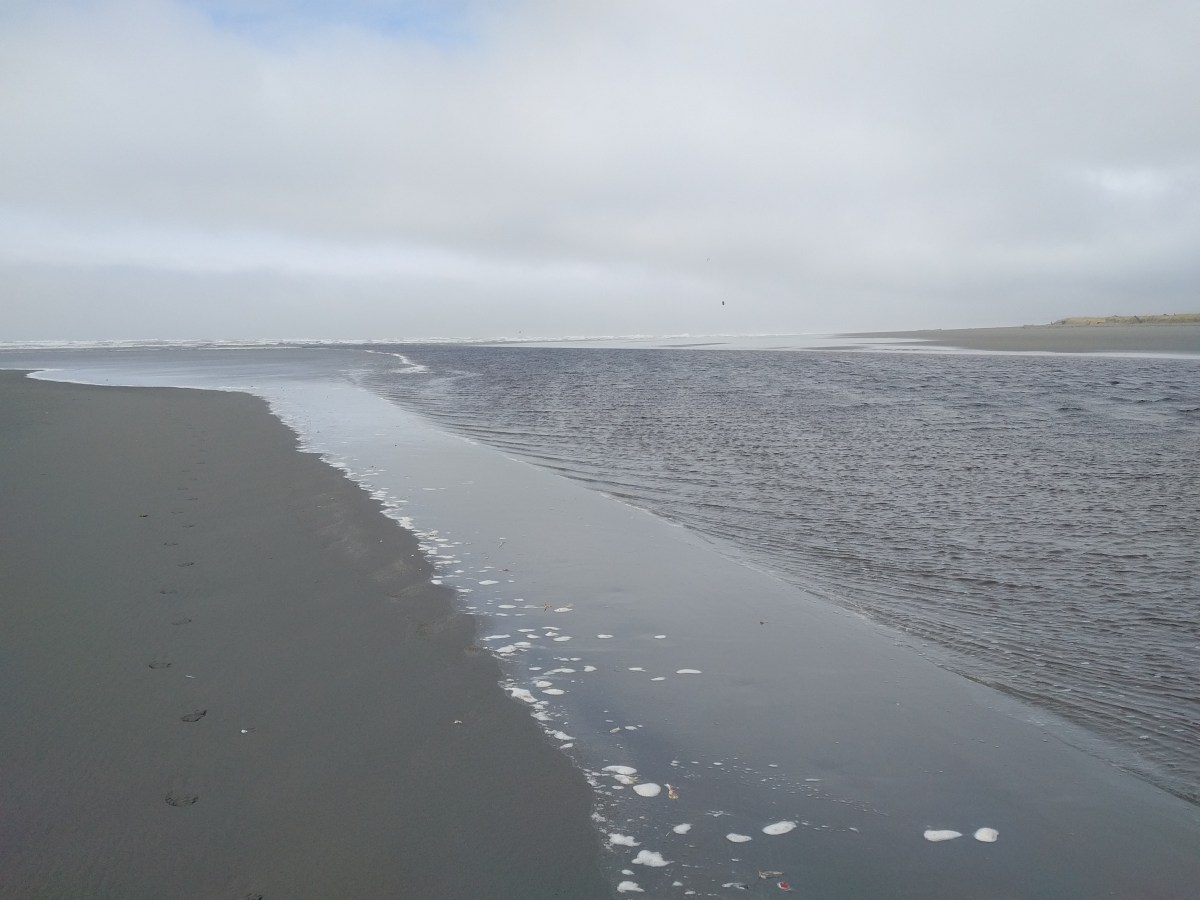


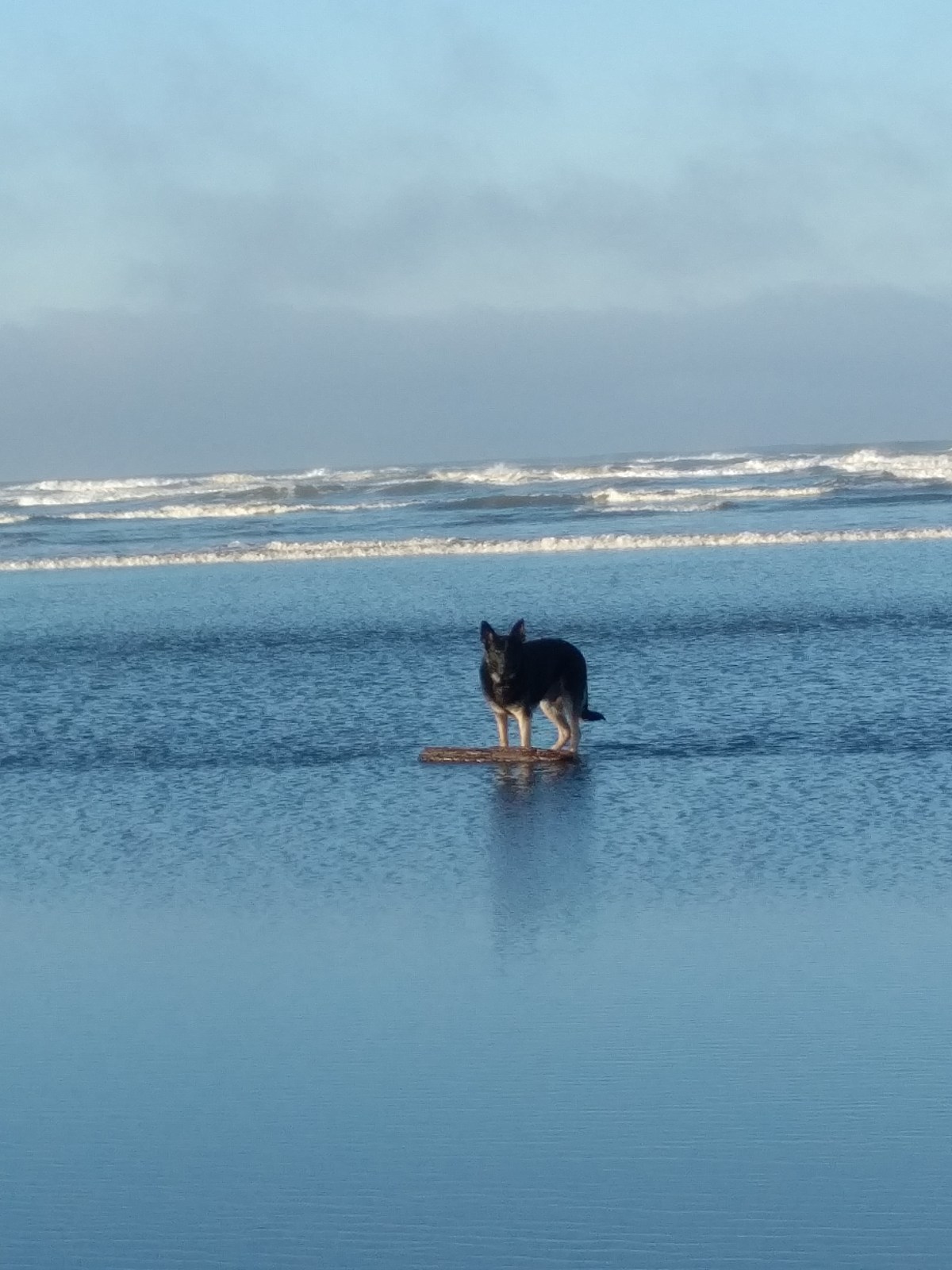


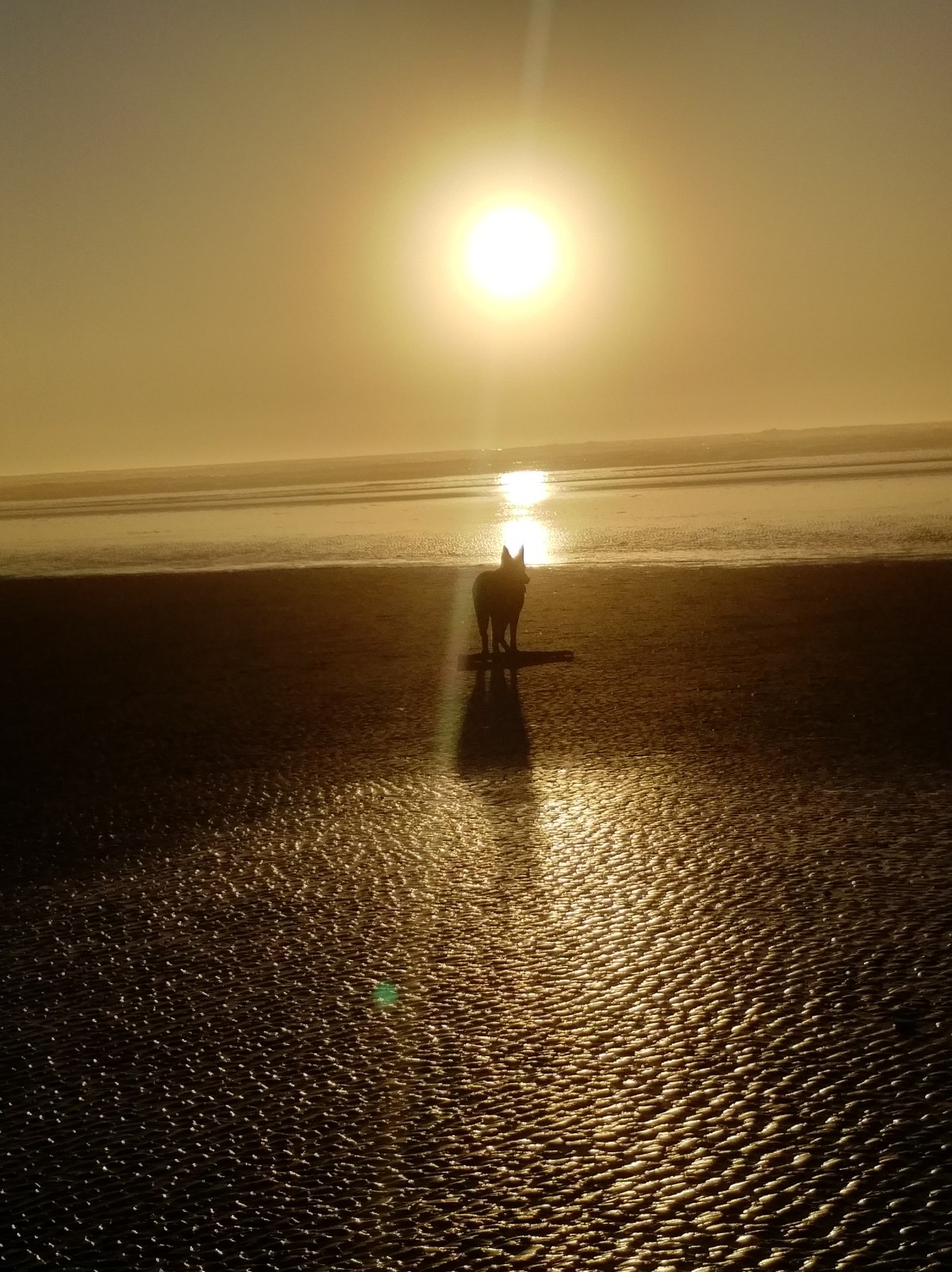


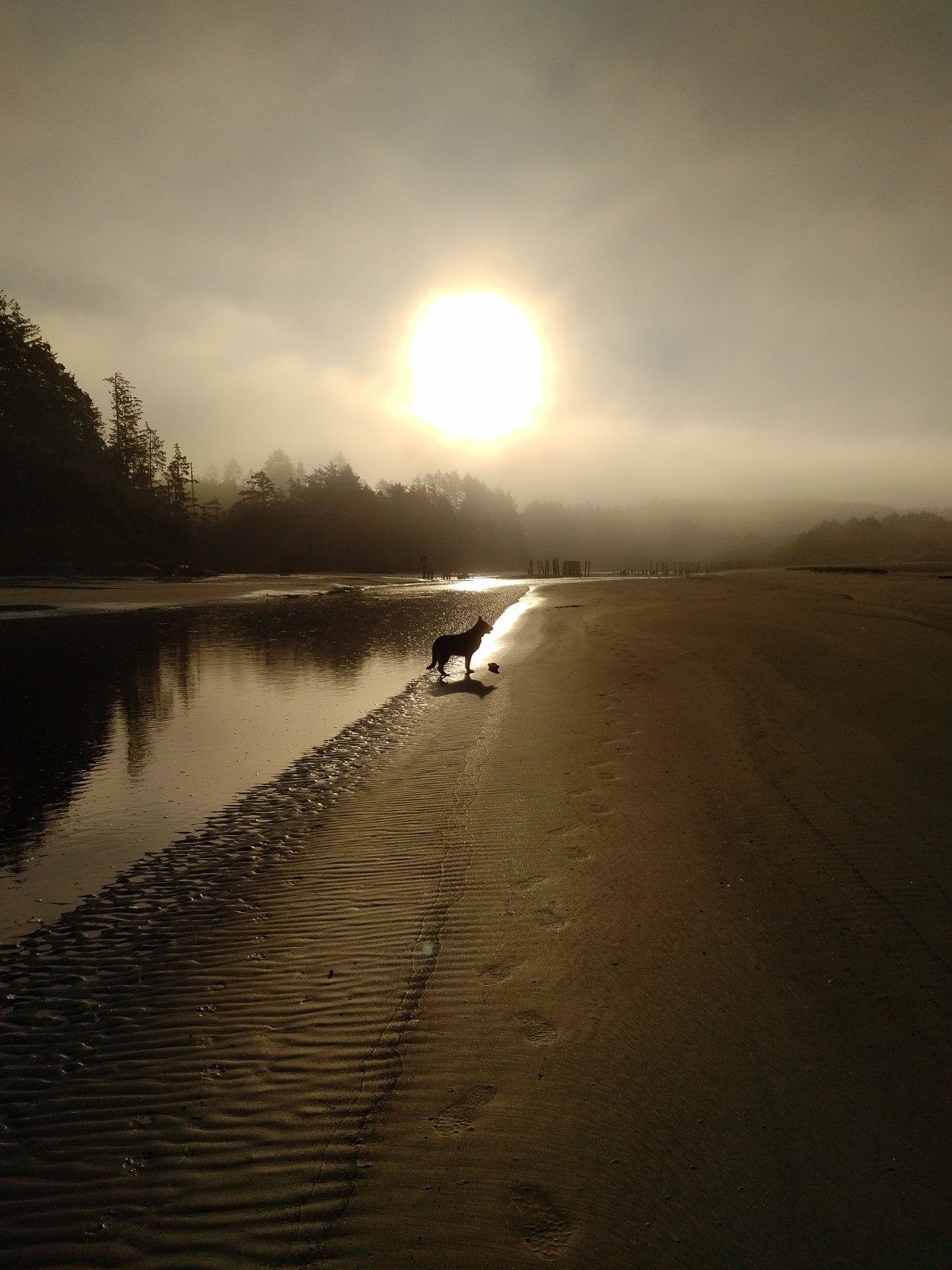



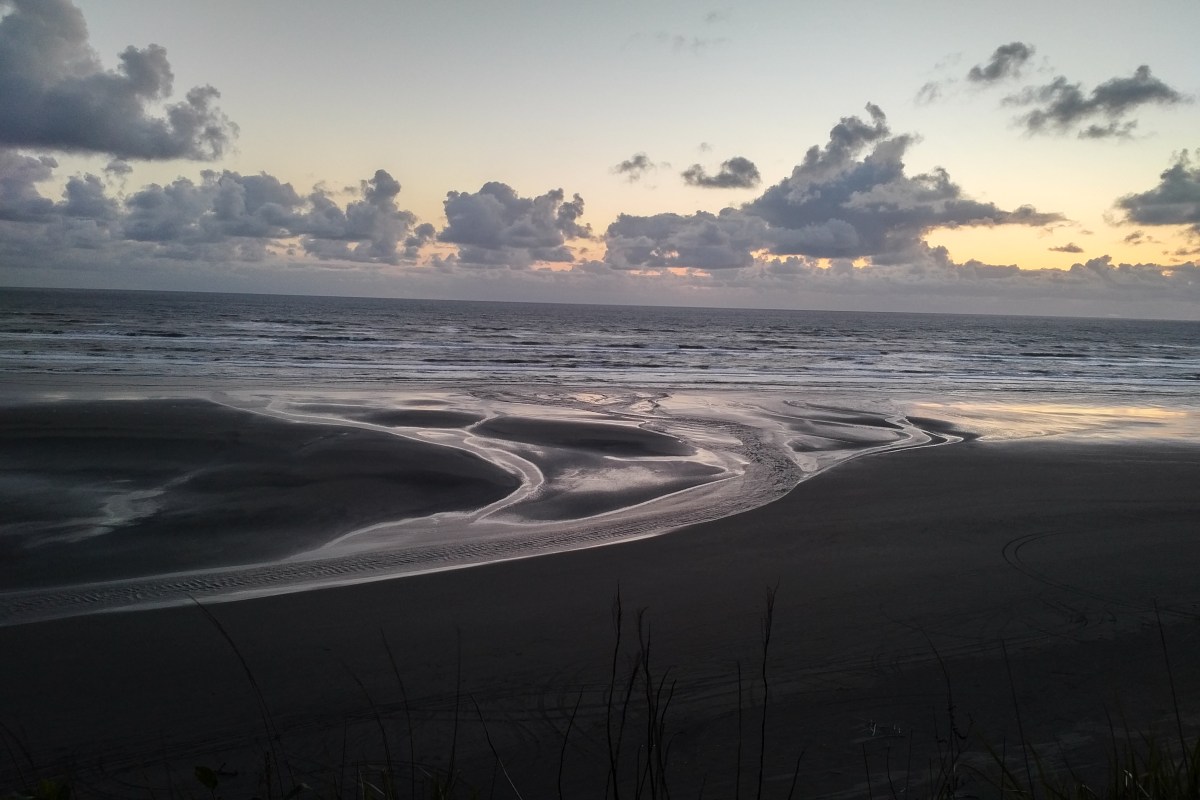

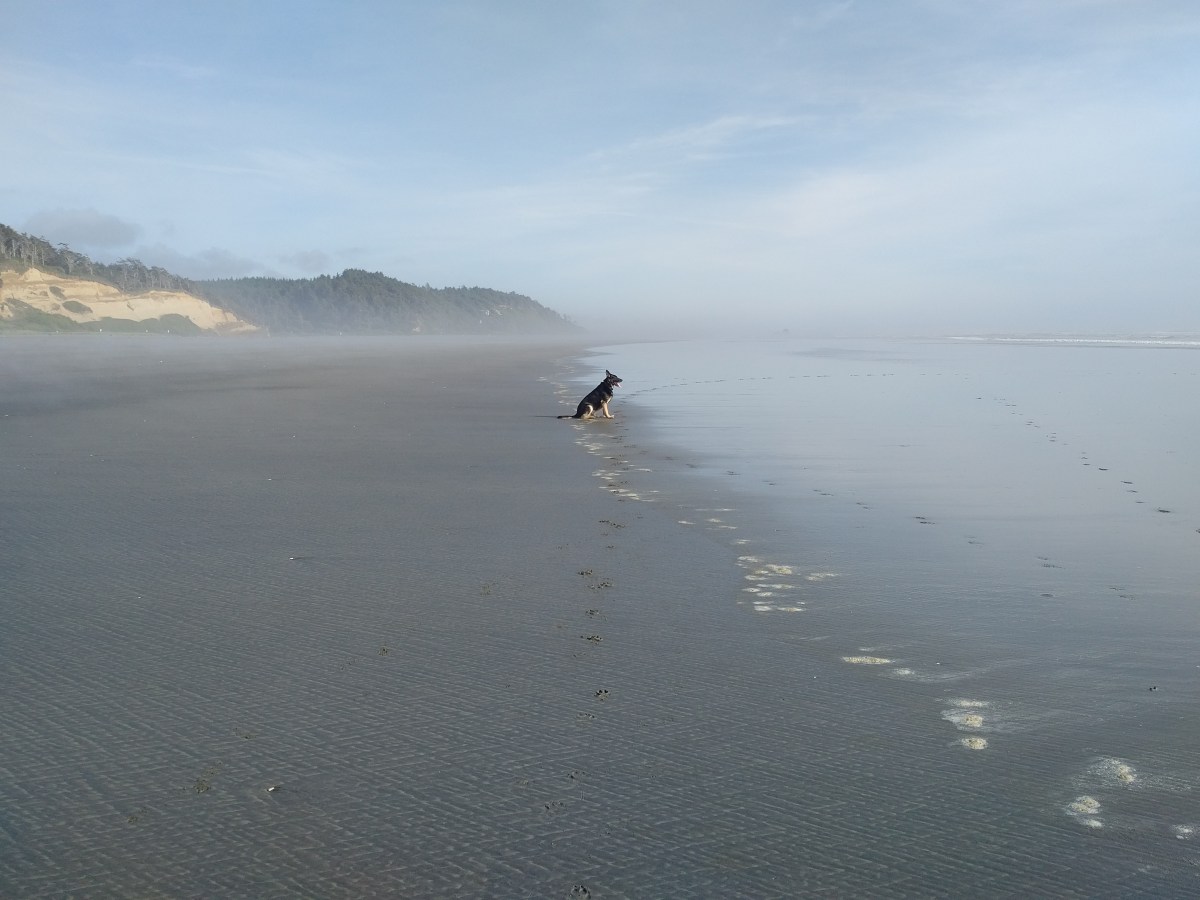


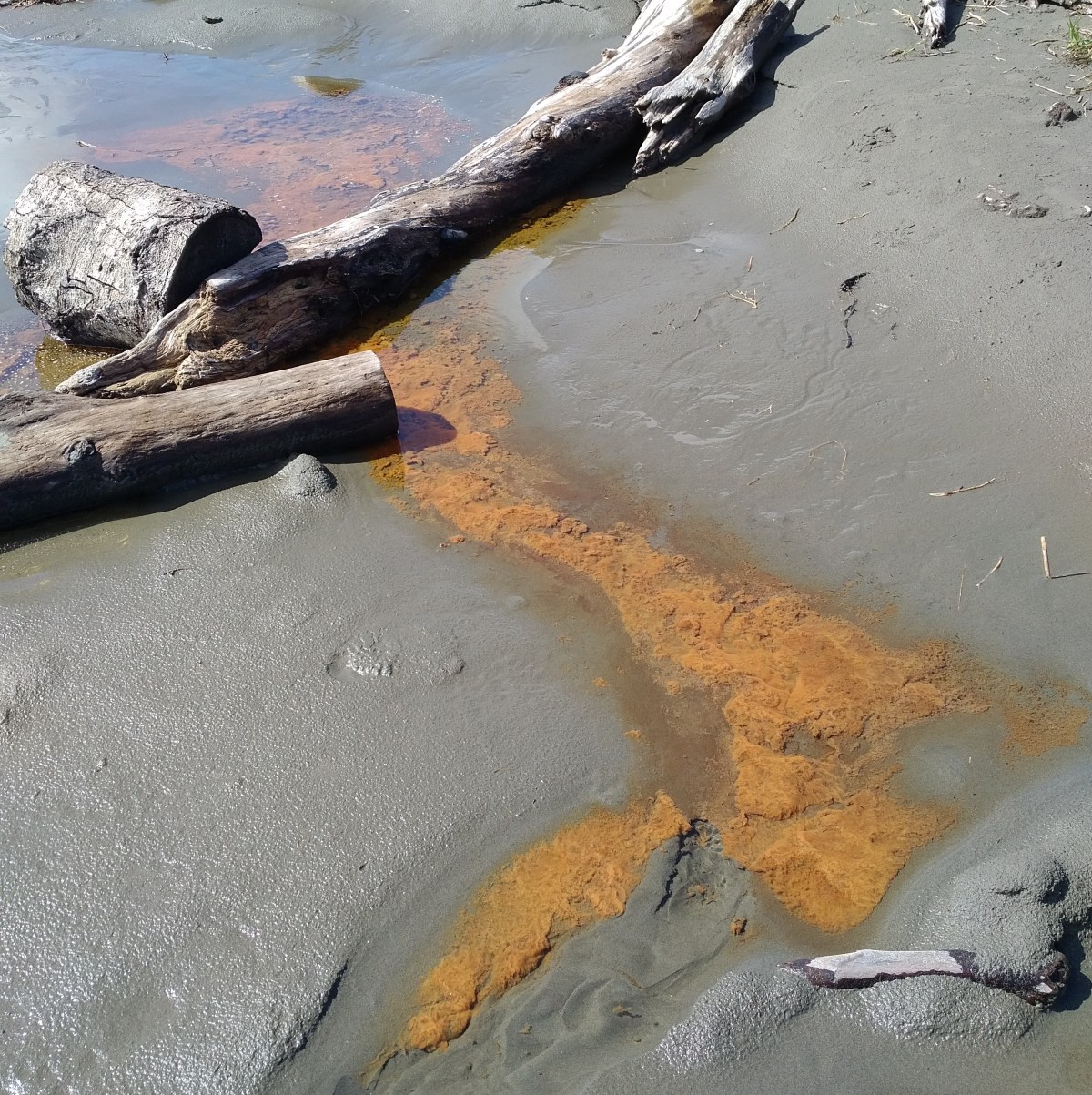


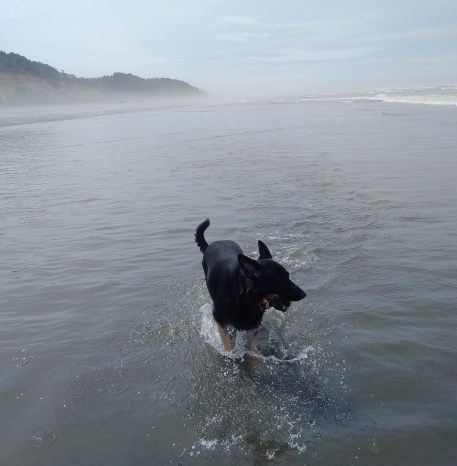
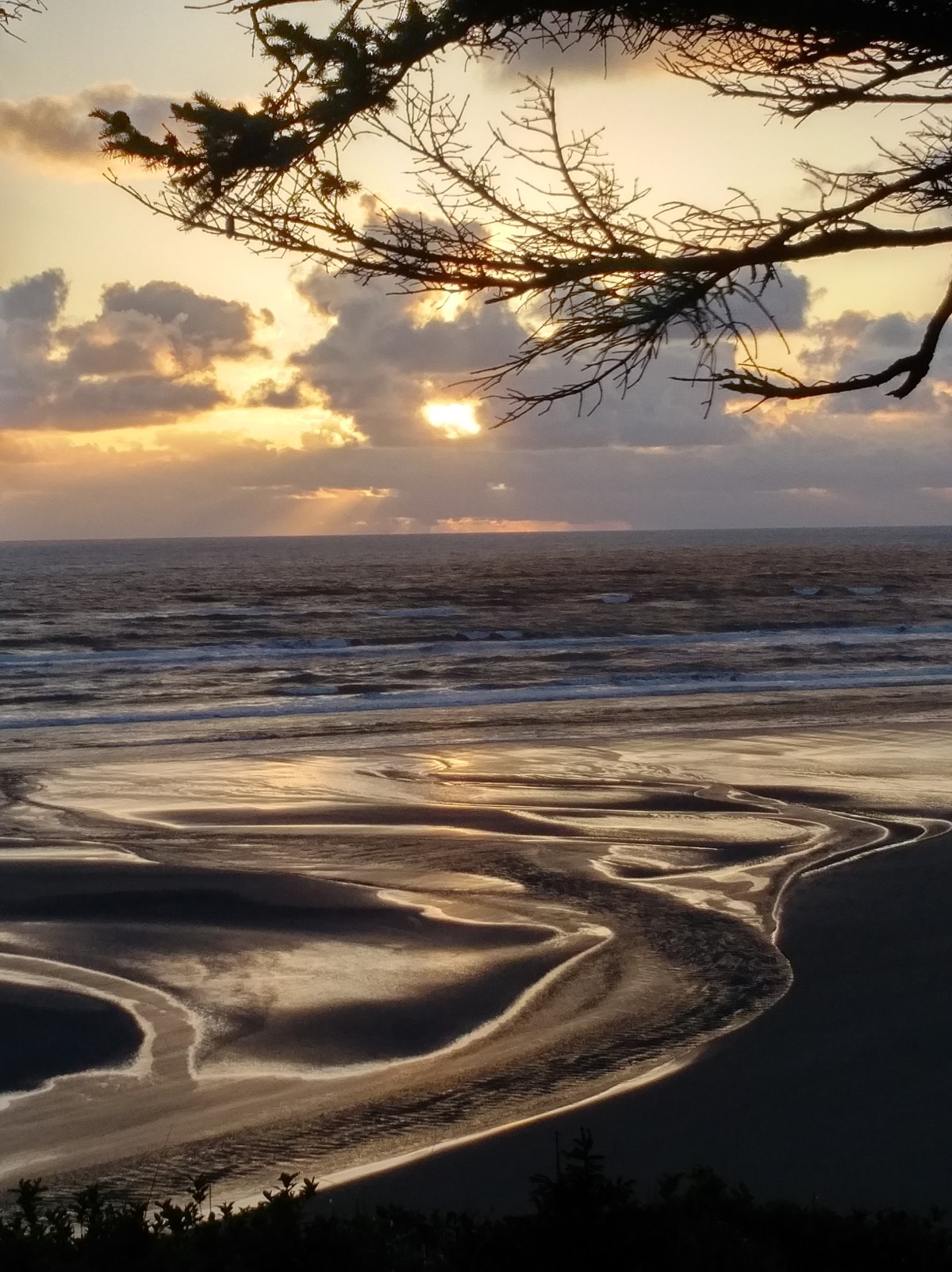
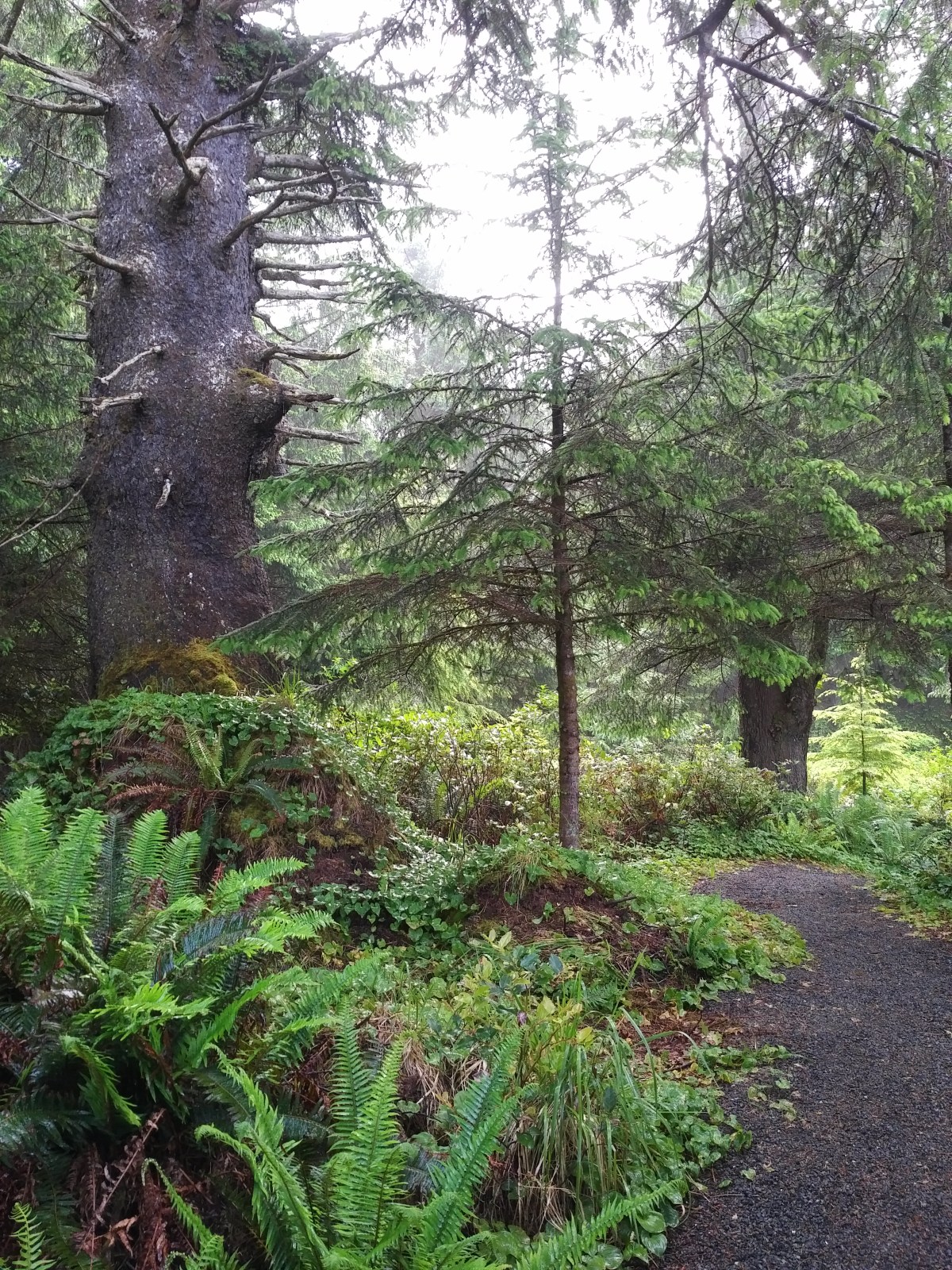
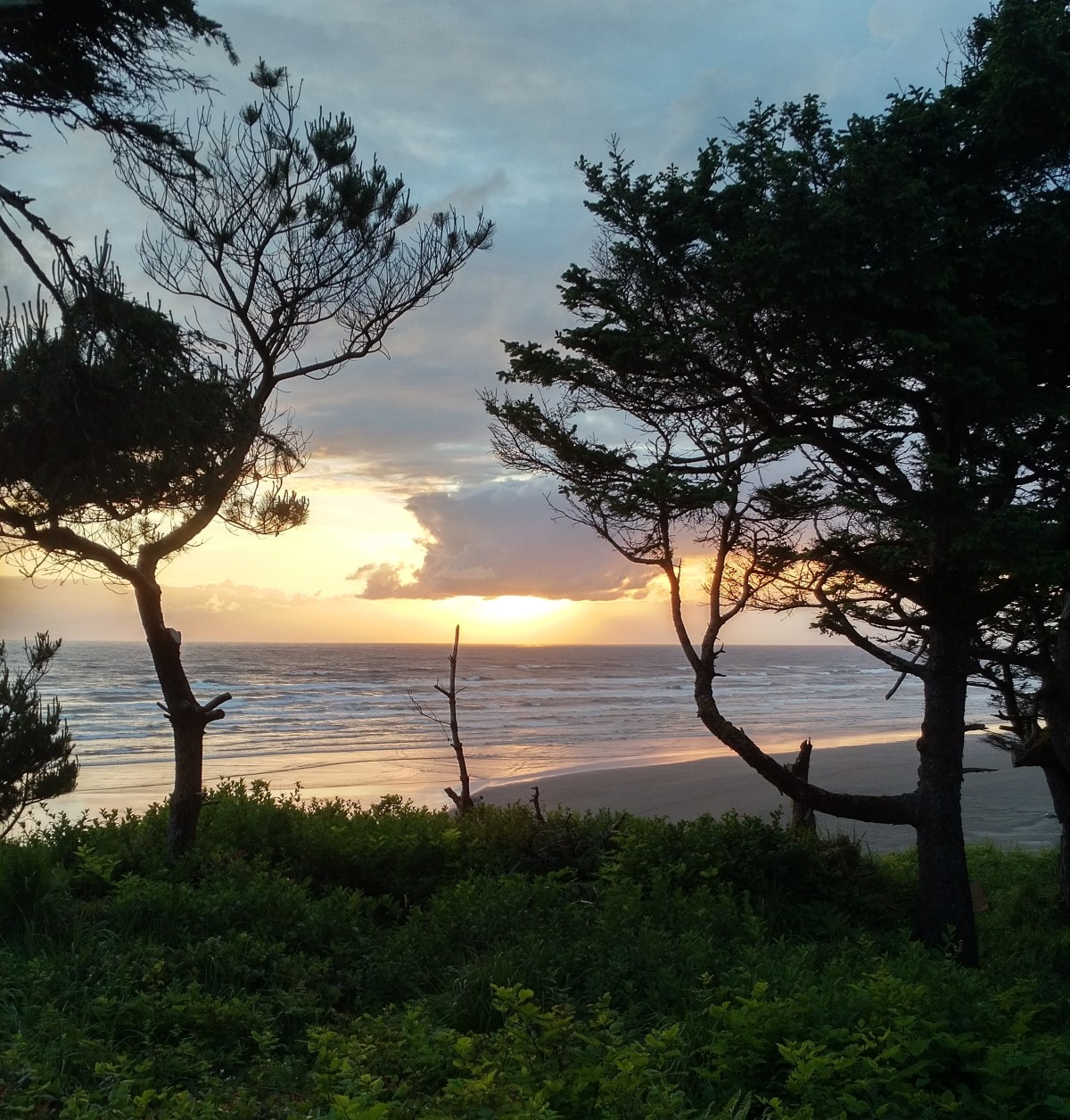

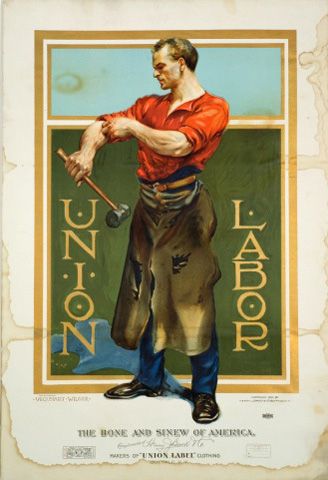


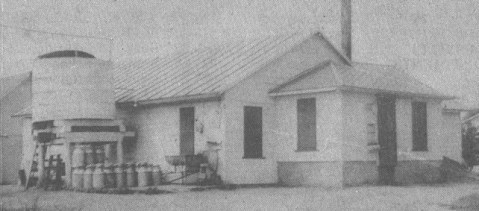





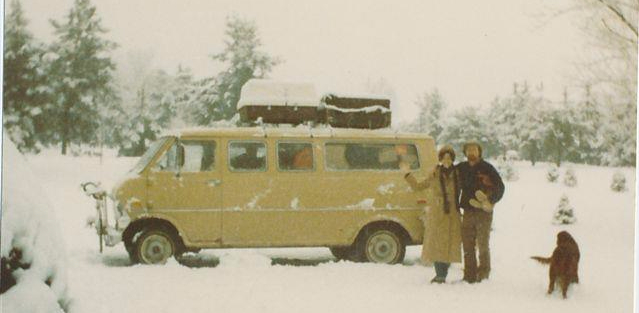
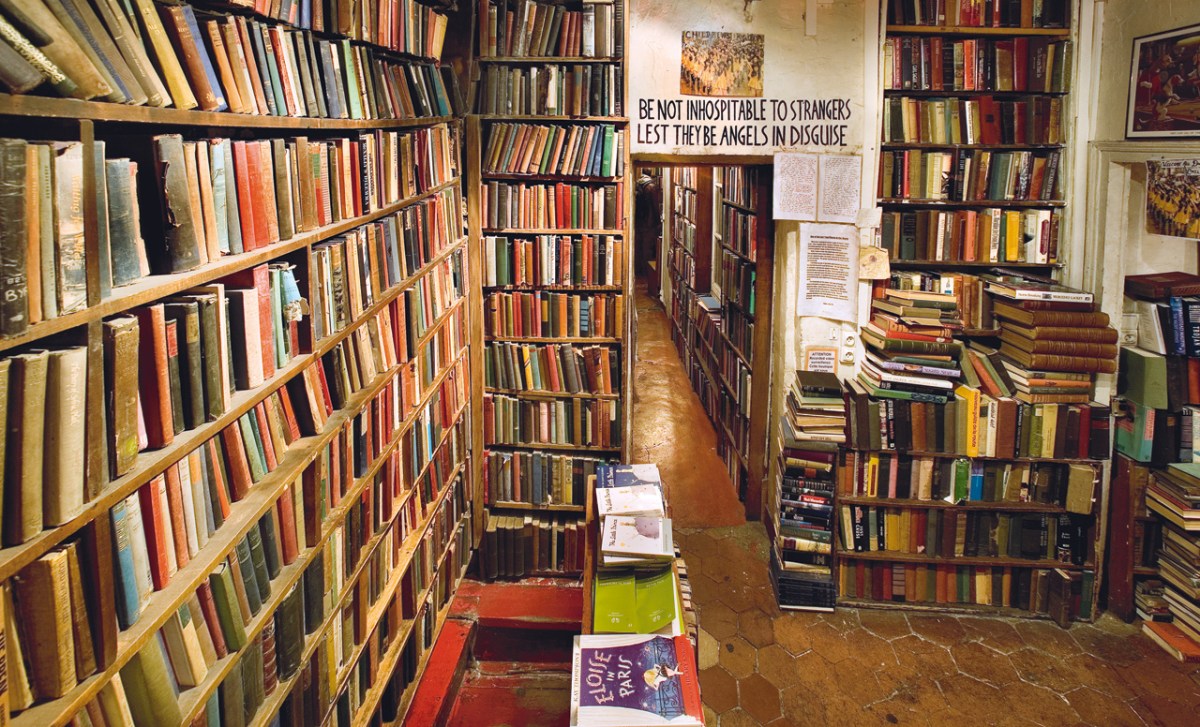
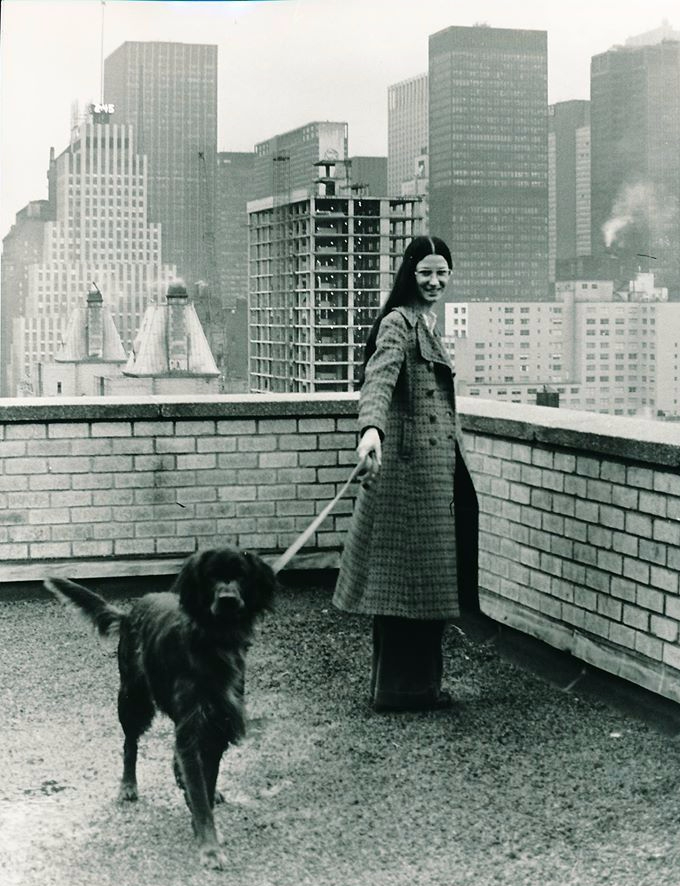

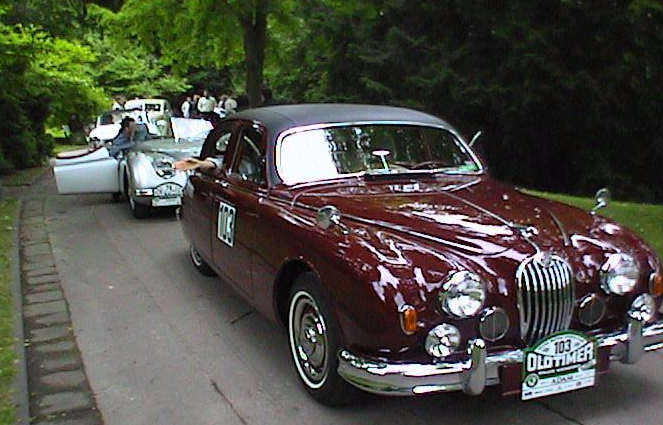

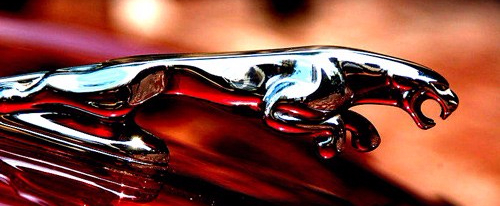



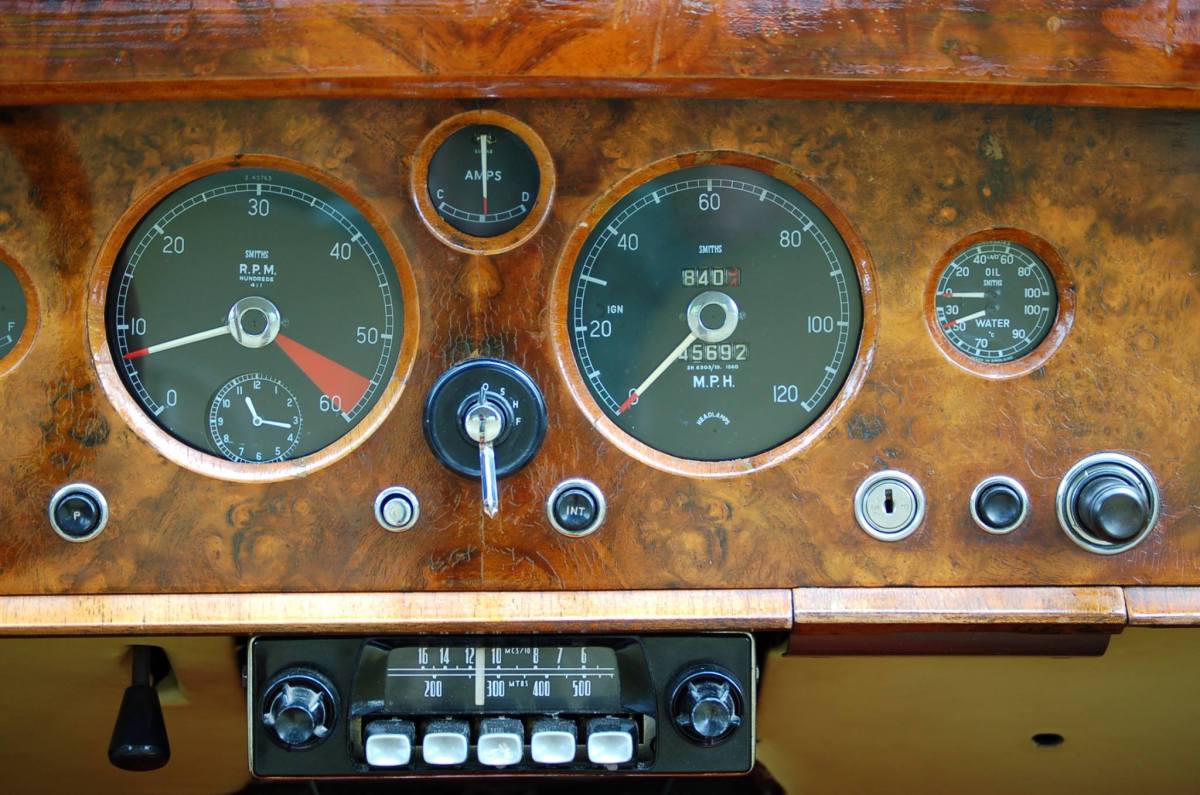

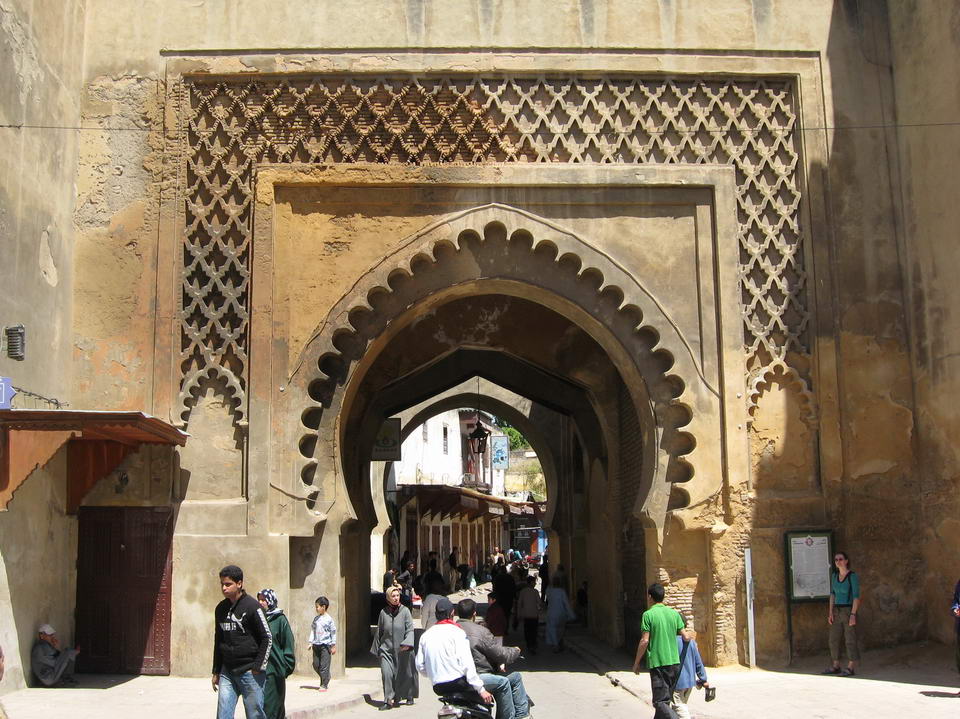
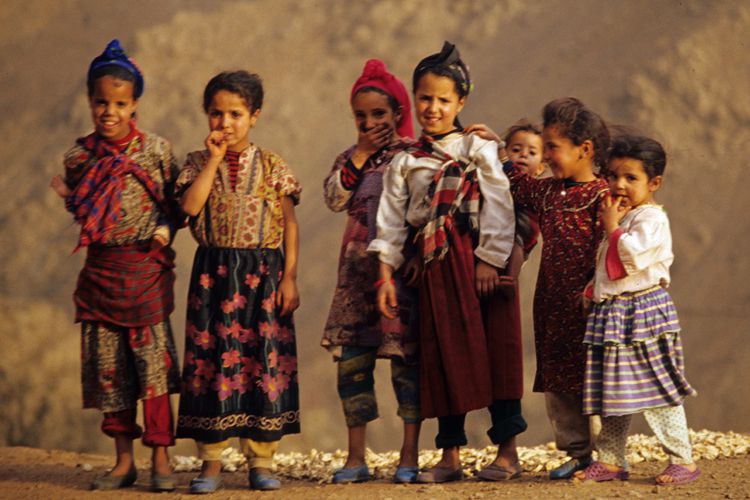

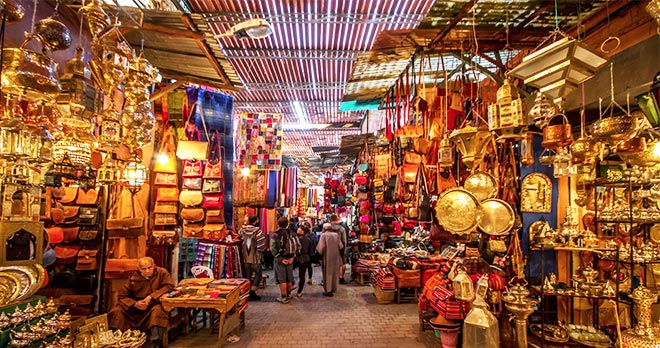
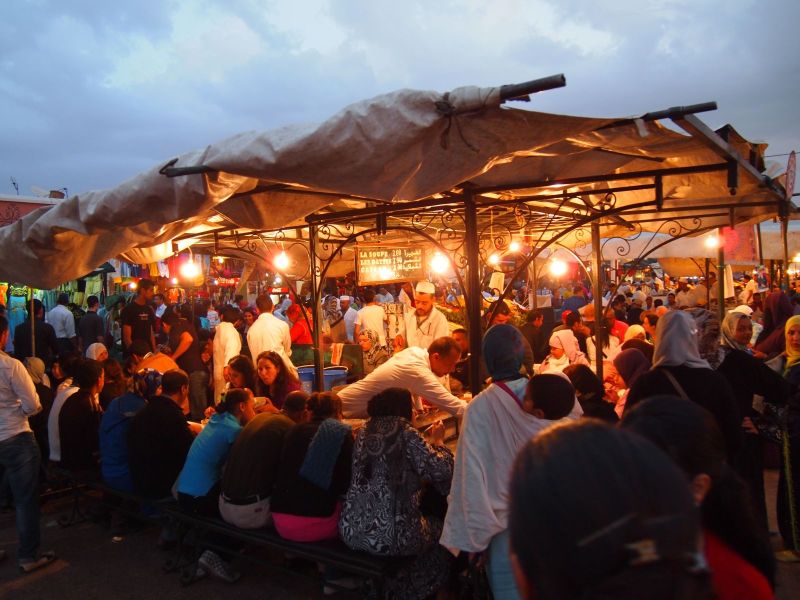

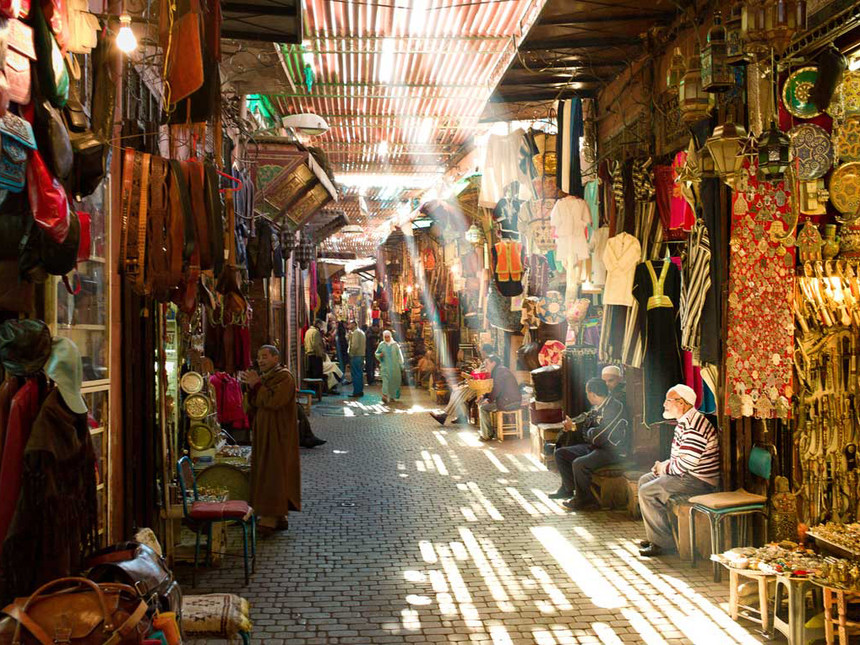

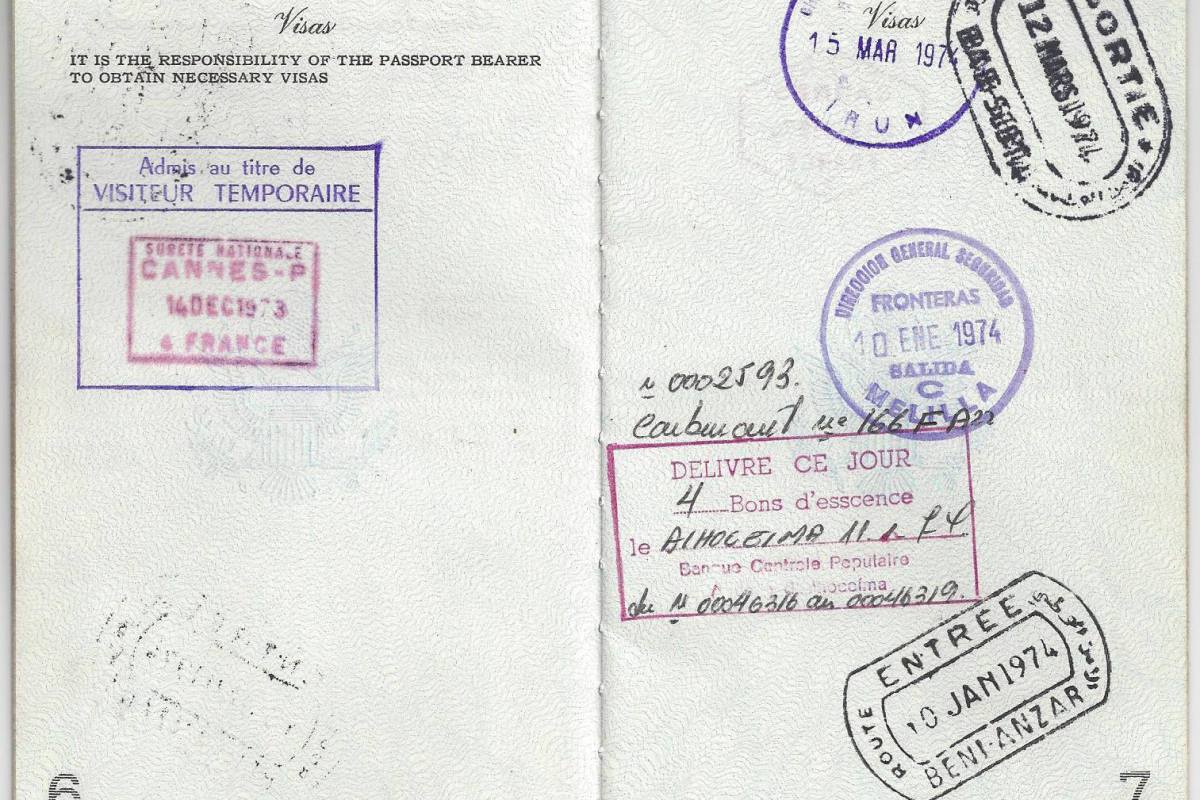


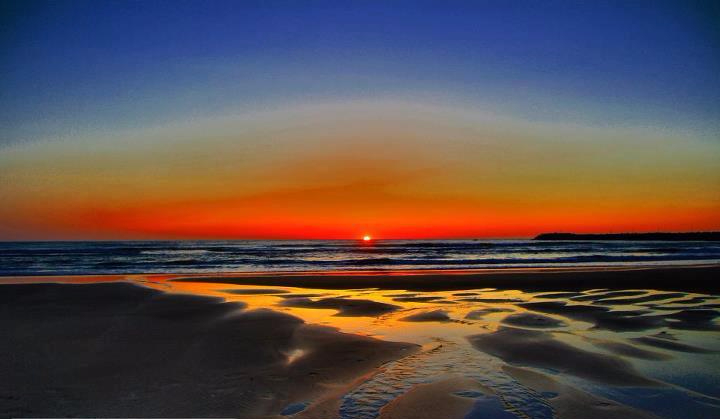


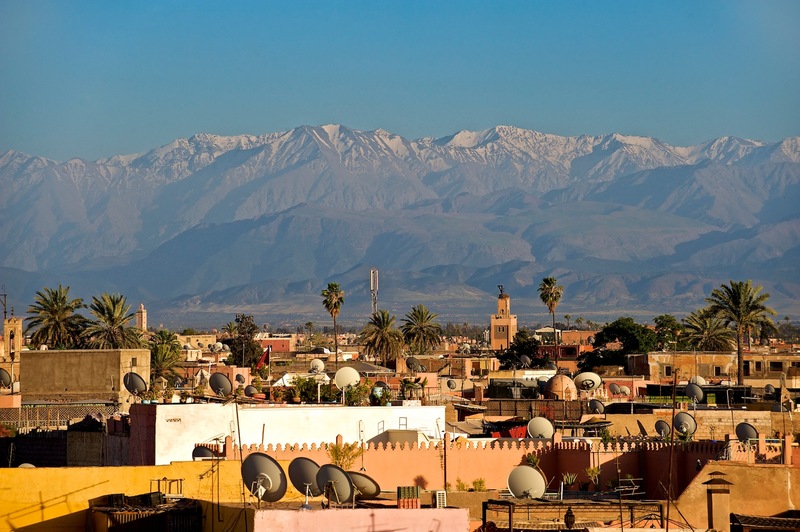


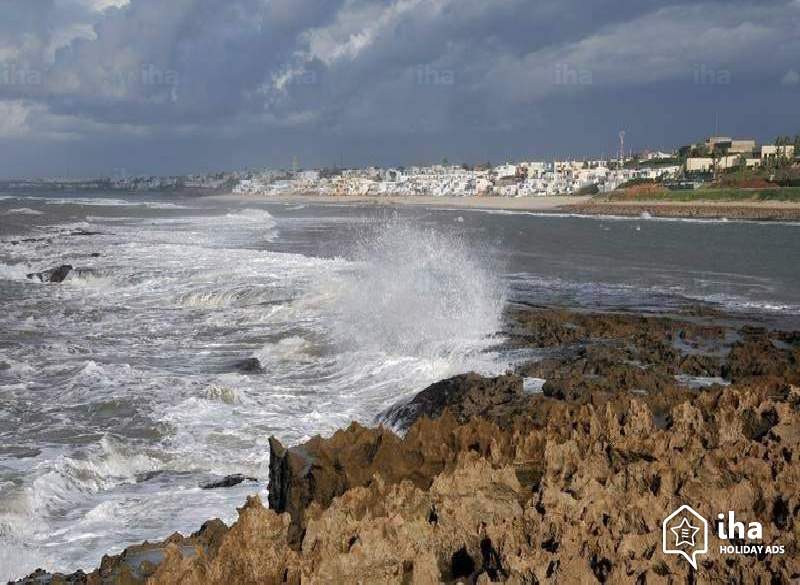

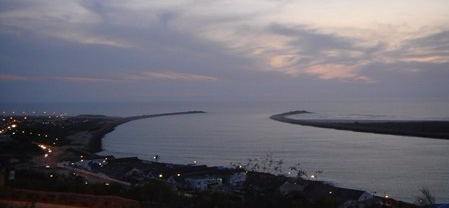

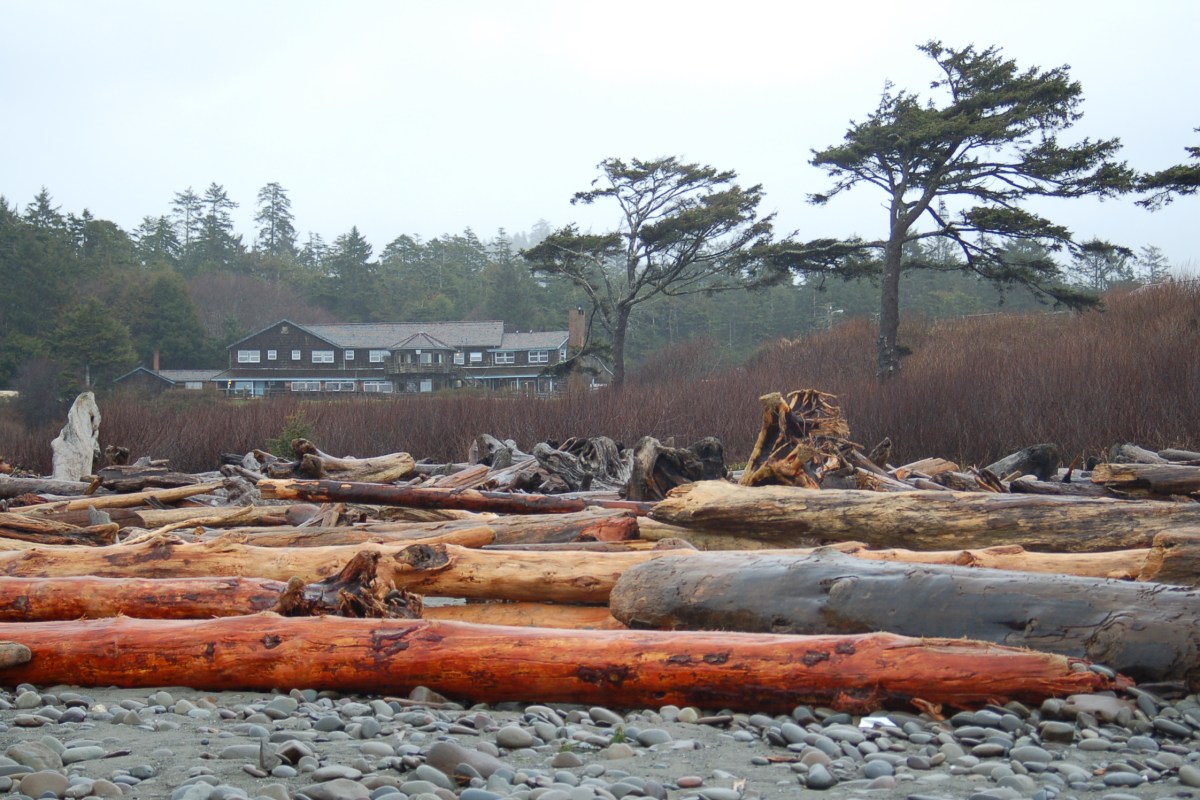


 SW COSGROVE