Chop wood, carry water, shovel snow – a 20th century childhood on a 19th century farm

The farm I grew up on in Stillwater, Minnesota, was the center of my universe from the time I was born until my grandparents sold it when I was 13.  Development was getting too close to them – they bought another farm about 40 miles deeper into the northern countryside.  This change coincided with the natural break that came for me as I shuffled off childhood and entered teen turbulence.

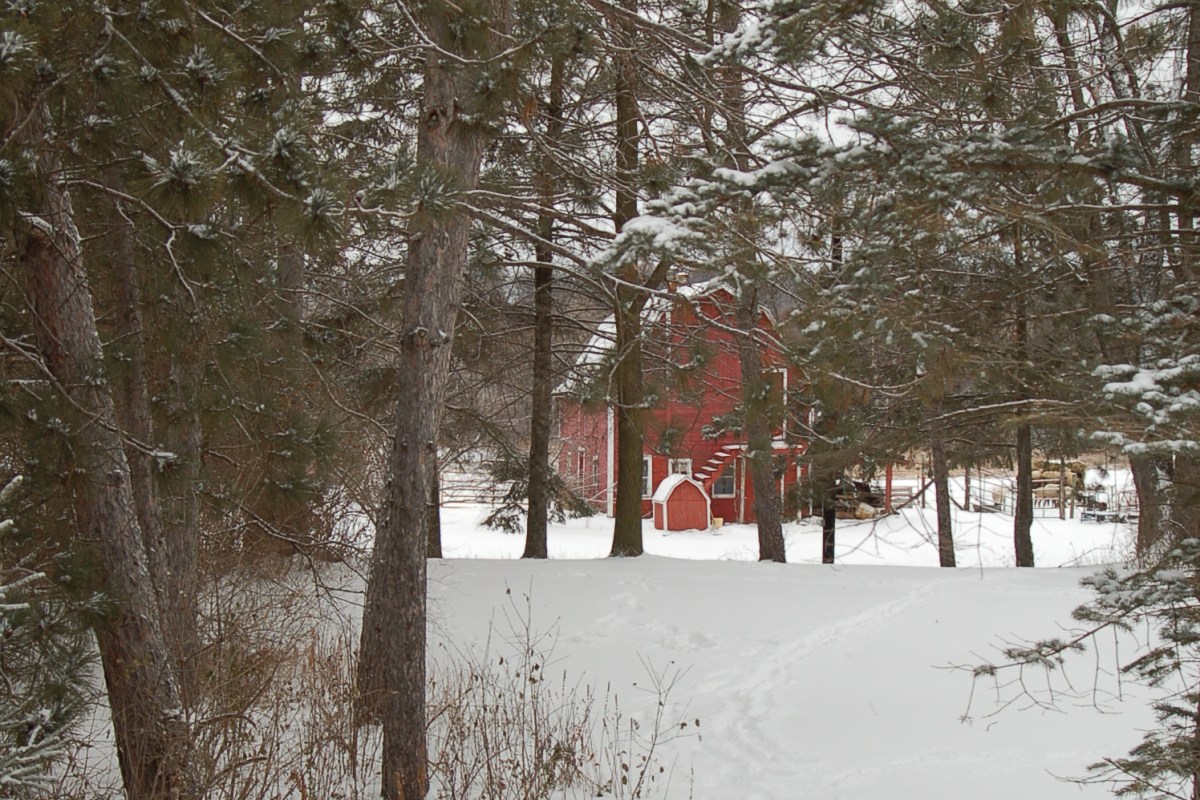
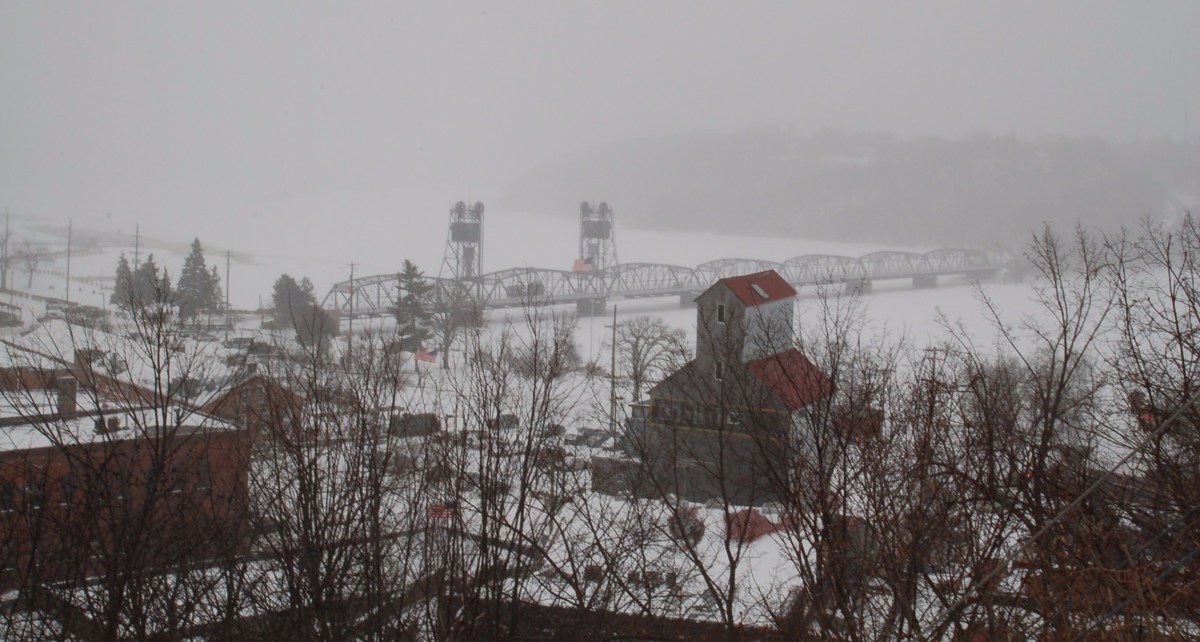
The origins of the farmhouse were from before Minnesota became a state in the 1850s.  One of the first farmsteads in the St. Croix River Valley, the farm perched atop one of the highest hills around Stillwater.  From the front porch, I could see for miles across the valley, with Lake McKusick down below to the tree tops miles away above the St. Croix River.  A long, steep drive led from the winding country road – an extension of Stillwater’s Myrtle Street – to the house and barn.

farm and drive

The driveway was so steep that in winter it was often not possible to drive up or down after a heavy snow.  Try going down without shoveling and you could end up off the driveway in deep snow.  One side dropped off sharply into the sheep pasture.  If your vehicle ended up down there, out came the tractor or – if the snow was really deep – Old Bird, our Percheron draft horse mare, the biggest one horsepower you could imagine.  One of Grandpa’s friends thought he could make it up there after a snow.  It took them half a day to pull his pickup truck out of the fence and back onto the driveway – mainly because we had to shovel the driveway first.

Many a morning after a big snow, my Grandfather and I shoveled that driveway.  Grandpa was always up first to feed the stock.  His dictum: animals eat first, then we eat.  No exceptions.  With a big snow, he was up extra early – usually by 4:30 – as water troughs had to be turned over to beat the ice out and fresh water pumped.  I often participated in this exhausting work.

I usually tried to laze around under the covers until 6 or 6:30.  Grandpa came in from chores and turned me out, saying every time: “You know, Steve, people die in bed.”  And I always replied: “Yes, but they sleep there, too!”  In the winter I usually slept on a massive overstuffed velveteen couch in the living room near the oil stove because it was too cold to sleep in the unheated rooms upstairs.  I ran to the outhouse (no indoor toilet) for the morning ritual.  There’s nothing like a trip to the outhouse when it’s 20 degrees below zero to wake you right up.  I assure you: you won’t spend any longer in there than absolutely necessary.  On my way back to the house, I stopped by the hen house to gather fresh eggs for breakfast later.

Then we shoveled.  Fortified with something hot to drink and a pastry, we trudged through the snow to the bottom of the drive with our oversize steel scoop shovels.  Then we worked our way to the top, one shovel full of snow after the other, stopping to catch our wind, stretch our arms, and straighten our backs.  Grandpa showed me the most efficient way of shoveling the wet, heavy snow.  Here’s how it goes.

First, look at where you were shoveling from and determine where you want that shovel full of snow to land.

Then grasp the shovel from the handle on top with one hand, placing your other hand at the point on the shovel where you could maintain the most leverage when the shovel was full – in other words, determine the most effective fulcrum point so that you would expend the least amount of effort with each shovel full.

Next, plant your feet in a position that would allow you to swing back, bend your back, pick up a full load of snow in the shovel’s scoop, then follow through in one motion – unbending your back only as much as was needed to deliver that shovel full to your target area.

If you had positioned yourself correctly, you could then take one small step forward or sideways as you were swinging the empty shovel back.  When your arms had reached the end of the backwards swing, you could then be in position to repeat your actions.  The effect was like using the shovel as a kind of balancing pendulum, stepping back and forth, seesawing your way up the hill, down the path to the pump house, out to the barn, and back to the farmhouse.

The lighter and drier the snow, the better this worked.  Usually the dryness of the snow was also directly related to the temperature.  At 20 below zero, the snow was dry and left the end of your shovel in a flurry.  But at about 20 degrees above zero, the snow was heavy and tended to clump on your shovel.  We waxed our shovels before shoveling this kind of snow, encouraging the wet snow to leave the shovel at the end of the swing.

The dry snow and cold temperature made for the best shoveling.  You worked fast enough to keep warm, barely breaking a sweat.

Oh, that wet snow, though.  It was far heavier than the dry stuff, and it didn’t like to leave the end of the shovel on your swing.  Sometimes it fell short of the mark and you’d end up shoveling it up again as you made your way – not efficient.  Soon you’d break into a sweat and have to take off a layer of clothing to cool down.  And pretty soon the heavy, wet snow would start to take its toll on your back.  It had to be shoveled all the same.

Shoveling the entire driveway took two to three hours.  Then it was back to the house for a big breakfast.  Grandma had been keeping an eye on our progress.  When she saw that we were almost to the top, she started the frying pan heating on the wood cook stove and get the water boiling on the gas stove.  By the time Grandpa and I had tramped the snow from our boots outside, left our outdoor clothing in the washroom, and cleaned up in the porcelain wash bowl in the sink, the air was filled with the alluring scent of eggs, bacon, hot bread or biscuits, and coffee.

Breakfast was a sit-down, family affair – a ritual.  No one at the table touched a bite until Grandpa was seated. We bowed our heads while Grandpa would said grace.  Breakfast sometimes started with hot cereal – creamed wheat, creamed rice, or oatmeal – topped with brown sugar.  Grandpa and Grandma had their coffee, grounds boiled right in the water.  I had hot chocolate mixed with fresh cream skimmed from the top of yesterday’s milk.  Next came the main course, smoked pork chops, homemade sausage, thick sliced bacon, or lamb chops.  There was also a big plate of soft-fried eggs in the middle of the table.  Both Grandpa and I ate three eggs each; Grandma usually only had two.  Sometimes there were potatoes, fried from last night’s leftovers.

Of course, there was bread and/or biscuits right out of the oven.  Grandma baked bread every day or two.  Grandpa wouldn’t eat store-bought bread.  All that was available then at the store was puffed-up white bread, which tasted like Styrofoam and had about the same nutritional value.  Grandma’s bread was whole wheat, light brown and somewhat dense, but fluffy inside that crispy crust.  I liked mine toasted.  So I would cut a two-inch slice, stick it with a long-handled cooking fork, take a cover off the wood stove, and toast it over the fire.  Back at the table, I smothered it with home-churned sweet butter and used it to mop up the remainder of the eggs and meat drippings still left on my plate.

It’s hard to imagine being hungry after that.  But if we were, there was always “smeckervesen,” as my German Grandma called it.  We had an orchard, and the apple preserves lined the cellar walls for most of the winter.  So Grandma would likely have some thick-crusted apple crisp available.  If not, the pantry was full of molasses or oatmeal cookies.

A big teakettle of water was always on the stove, too, moved to the cooler area to keep warm, and then moved to the hotter area to bring the water to a boil.  Often, a big pot of soup was simmering away, keeping just warm enough so you could always dip in for a bowl full.  It stayed there for days.  As we ate it down, Grandma added more ingredients – lamb, vegetables, or smoked pork.  Barley was usually the soup’s base – my favorite.  To this day, I’ve never tasted anything quite as delicious.

The farm is gone now.  The hill where the farmhouse stood was leveled, divided into acre lots, and turned into suburbia.  There is no trace of the old place, except for a tall stand of trees my grandfather and I planted together when I was a child.  Perhaps, on a chilly morning in early winter, with a dusting of fresh snow on the ground, a mist rises from the low-land pond that could not be filled, and the 19th century farm hovers on the horizon, ghost of winters past.  Gone, but not forgotten.

minnesota-farm

The Visitor

A red-eye flight to Minneapolis after Christmas

“It’s about Mom.  She’s worse.  Doctor said it’s a matter of days.  Can you come back?”

My sister from the Midwest was phoning on this gloomy mid-winter’s night in the Puget Sound.  Rain chattering on the roof, a chill in the air.

“I’ll be there as soon as possible.”

I got on the phone, used my flight miles to get a plane the next day, and started packing a bag for Minnesota, where the temperatures hovered in sub-zero range and snow was forecast.

The past few years had been a rough patch for Mom’s health.  Back surgery in her mid-70’s, respiratory infections, and then a burst colon that went untreated too long, resulting in sepsis.  She almost died then.  The doctors wouldn’t even give her odds.  She had so many surgeries they didn’t bother to sew her up for three weeks.  She survived, minus a large section of her intestines, and against her wishes, was checked into a nursing home.

She hated the nursing home, so she packed her bags one evening, called a taxi, and went back to her apartment.  She was met there by Emergency Medical Services and transported back to the hospital.  Eventually, she got her way – as usual – and moved back to her home.  She lobbied for a re-section of her intestines some months later.  It was successful.  She moved out of her apartment north of St. Paul into a cozy ground floor condo in a wooded area closer to the city and set about making what would be her last home.

My daughter and I had been back to see her in December.  She was perky, laughing, joking, and telling us how much better she felt and how she loved her new home.  Her Christmas tree was fully decorated with ornaments from my childhood, tinsel shimmering, lights twinkling.  We left fully believing this resilient 82-year-old was entering a new, exciting stage of life.

She drove to my brother’s house for New Year’s dinner, despite it being 20 degrees below zero and icy streets.  A few days later she starting having serious flu-like symptoms.  Soon she was once again in an ambulance on the way to the hospital.  Her lungs were fragile, and she’d developed pneumonia.  Within days she was hooked to a respirator and was going in and out of consciousness.   And I was on my way to Minneapolis-St. Paul International Airport on a red-eye.

I met my sister at Regions Hospital in St. Paul the next morning.  I could hear Mom’s raspy breathing before I could see her.  She was on strong pain medication, slipping in and out of a coma.  She blinked when I talked to her.  I squeezed her hand and she squeezed back.  My sister had made an appointment mid-morning with her doctor and a palliative care doctor.  As the oldest sibling, I was now part of the team on the ground.

The doctors cut to the chase – they’d tried everything over the past week.  Nothing was working; she continued to rapidly deteriorate.  It was time to move into the palliative care stage because survival was becoming less likely by the hour.  The pain was getting worse, she could not breath long unassisted, and they were draining her lungs of fluid several times a day with a chest tube.  She could pass any time, but almost certainly within a couple days.  She’d stay right where she was, in a quiet and naturally lit room.

The Death Watch

My youngest sister, with her young daughter and her husband, arrived from Hawaii.  So with my other sister, her daughter and her husband, who lived close by in Wisconsin, we were seven strong.  We worked out a plan so that at least one of us would be at our mother’s bedside from morning until evening.  My Hawaii sister’s family took that evening’s shift.  My Wisconsin sister’s family lived close by, so they drove home.  I was staying with long-time friends in Stillwater, where I’d grown up, just a half-hour’s drive from the hospital.

I had the next morning’s shift.  Mom was slightly responsive, so I sat or stood by her bed, held her hand and talked with her.  I just talked.  The old days.  The farm we grew up on.  The weather.  Politics (which she loved).  Kids now days.  She showed signs of recognition and comprehension.

I took regular breaks to walk around the big city hospital, get coffee, and have breakfast.  I was already a familiar face to hospital staff in this section, and they always greeted me with a smile and an offer of assistance.  I remember how pleasant Minnesota people can be.  Minnesota nice.

I put her headphones over her ears, moved a chair close to the windows, and sat down.  We were at the far end of a very large room with high ceilings on an upper floor of the hospital.  Thick curtains were set up to divide the room, or open it, as needed.  A wall of windows overlooked downtown St. Paul, its air frozen still in the deep winter sun, as if you could shatter it into a million pieces with a light hammer blow.  Smoke from the ventilation systems suspended in frozen puffs above the buildings.  No sign of even a breeze.

I put my head in my hands to cover my eyes and consider what was happening.  There is little you can do to change some things, but more that you can do to make it easier on everyone else.  I heard a rustling in the curtain between where I was sitting and my mother’s bed.

The Visitor

I looked up to see who it was.  But I saw no one.  I thought perhaps the ventilation system had disturbed the curtains, but there were no vents there.  There was no movement otherwise in the room.  No nurses, no staff, not even a voice.  All the activity in the section of the room beyond the next curtain was very hushed because in this part of the hospital, the patients were very sick.  Everyone was quiet, except for the lights blinking and a variety of machine noises.

I put my head back into my hands, and almost immediately I not only heard, but felt, the air around me begin to move.  At first it was a whispered breath passing my face, but then the air moved more turbulently, like a small, invisible tornado passing by.  I looked around and still saw nothing.  I went around the curtain to my mother’s bed.  There was no one there but her.  Somehow her breathing seemed steadier and she was resting, so I said nothing.

I went back to the window area and looked out again over the city.  Then I heard the distinct sound behind me of the curtains again rustling.  As I turned around, I saw them move, shimmer, from top to bottom.  An air disturbance seemed to come toward me, then the curtains stopped moving.  But in front of me air seemed to be moving, shifting.  I still could not see what was causing it, but I could feel it breathe on my shirt.  My face felt cooler.  A shiver went through me.  I could now distinctly hear wind rushing between canyons of fabric walls.

This is where my senses stopped being helpful in making any sense of what seemed to be pure energy moving rapidly, erratically, very close by.  It had mass that I could feel, but not see.  My logical mind kept telling me this could not be, that it was not.  But it was.  Something was.

There was another presence in the room that I could feel, but not see.  I reached out to try to touch it, and I took a step toward the turbulent air mass, but as I came closer, it moved away.  Then it was in back of me.  I turned, and now looking towards the windows I detected, not saw, but detected somehow the source of this presence.  It was at the top of the room.  It moved across the room, over the curtains, rustling them once again, then came past my mother’s hospital bed and around the curtains.

It was rapidly moving towards me.  I felt the force of air in front of it pushing on me.  As it came almost next to me, it dissipated.  Instantly.  As if it were never there.  The room became as it was before.  Curtains hanging languidly.  Not a sound except my mother’s breathing, and my heart beating.

I went to the bedside.  Mom seemed to be resting easier.  Before, I could see her fighting the respirator, with a grimace on her face, her hands clenched, her arms stiff has she braced against the IV’s taped into her.  Her breathing was still labored but steady.  The body tension had retreated.  She seemed to be slightly smiling.

My sisters and my two nieces walked in a bit later.  I could not begin to tell them what had just happened because I would not have known what I was describing.  I still don’t.

We started talking from both sides of Mom’s bed.  We kept the conversation natural so that we included her.  We weren’t sure what she heard, but it didn’t matter.  We just wanted her to feel our voices.

As we discussed the weather, the news, the ordinary and mundane, Mom stopped breathing.  She was breathing, then with one long exhaled breath, she stopped.  She was still.  She had died.  Her face was relaxed, and all stress left her.  She looked smaller.

“She’s gone,” one of us said.

“Could you please get a nurse?” I asked my oldest niece.

She was gone.  But to where?  Did she go with The Visitor?  Who was The Visitor?  What was The Visitor?  Did The Visitor come to check up on her?  Did The Visitor come to make her more comfortable?  Did The Visitor come to take her?  From where did The Visitor come?  Why did The Visitor make itself known to me?  Was there a message?

I don’t know the answers.  I categorize myself for the sake of convenience as spiritual, but not religious.  For now, I have only concluded that I had a visitor from somewhere else, a place I do not know.  I’m not in a hurry to meet this presence again.  Though maybe we all will in the end.

A good whoopin’

A good whoopin’.

It’s happened to many of us.  To the fortunate others, it has not.  Corporal punishment.  Punishment intended to cause pain.  In polite, more acceptable terms, a spanking or a paddling.  Less acceptable, but perhaps more accurate: slapped with an angry hand, whipped with a belt, struck with an object like a stick, ruler, or spatula.   A caning, a thrashing, flagellation, a strapping, a lacing, or at the more extreme end: a beating.  A good whoopin’.

“Pull down your pants.”

The anticipation.  Then the delivery.  Whoosh, crack, pain.  Just like that.  Then again.  And again.

When I was a boy, my mother delivered the corporal punishment.  I was the oldest by about five years, so she had plenty of opportunity to get some of the meanness out of her system, as I never saw my brother or sisters experience what I had, though they did get the occasional spanking.

Was I just that much more incorrigible, a child who deserved to be smacked?  I asked myself that question many times.

I was mischievous, daring, an inveterate explorer, often pushing the boundaries.  I don’t recall a lot of lickings before my next sibling in line was born.  As best I can remember, it all started not long after my mother miss-carried and lost a brother I never knew when I was about three years old.  She and my father began arguing more, and yet, three more children were born.

I never saw my mother hit my father, nor my father hit my mother.  And my father never hit me.  But good ole’ Mom sure hit me.  Hard and often.  Sometimes it was a random strike at whatever part of me was most convenient.  A smack on the head, a punch in the shoulder, a slap in the face, a yank on my hair.  Other times it was an orchestrated event where I was orally chastised, often at great length, then the pants came down and I would take a set number of lashes in the biblical fashion on my bare ass.  It didn’t seem to depend on the transgression, as most I remember as being minor.   It depended on my mother’s mental state of the moment.  She had me pull down my pants, set me over her knee, and hit me with whatever was close at hand.  A yardstick, a ruler, a hairbrush, a stick, or a belt.

One time when she was hitting me with a yardstick, as I silently counted the blows, she broke the yardstick over my ass.  She stopped.  Then she laughed.  I counted this as good luck as she was only just getting started, and I laughed, as well.  I’d broken the yardstick on my skinny little butt!  I’m sure I didn’t consider how insane it was to laugh because I’d stopped being whipped.  I had yet to develop the keen sense of irony that I have to this day.

Mother had a variety of ways of meting out her punishments.  The most diabolical was to send me out to a willow thicket in the field and select a willow reed to be thrashed with.

“Go out and find yourself a strong willow branch and bring it back to me,” she’d say.  As you may know, willow branches are very flexible – they are like whips.  For ages, willow was used as a horse whip.  What a dilemma: I was to select the branch to be used in my punishment.

One day, when I was about 10, I didn’t return.  I just kept walking.  Past the willow grove, through the fields to my favorite spring-fed pond in the far reaches of the farm’s fields.  I sat in the shade of an old maple, or maybe it was a box elder, and thought long and hard about my alternatives.  Should I keep walking to the nearest road and not look back?  Should I just jump in the water and drown myself?  I didn’t know.

I sat for a very long time, then stripped off my clothes and jumped into the pond as I’d done many times before.  The cool water brought me around, cleared my head, and brought me back to the present.  I surfaced, and then I dove down again.  As the bottom grass tickled my face, I decided what to do.  I was going to walk back without the god-damned willow reed and announce that I was never going to the willow grove again.  If I was beaten, I’d get up in the middle of the night, take all the money I could find in the house, which wouldn’t be much, walk into town, and get on a bus to somewhere.  Anywhere.  And I’d never return.  I’d die first.

I went back to shore, slowly dressed, and then, over the hill, I saw my Grandpa walking to the pond.  He knew where to find me.  They’d been looking for me.  He took me in his arms, gave me a long hug, and I explained what had happened.  He shook his head and we walked back to my parents’ house without words.  He had me wait outside while he went in and talked with my mother.  When he came back out, he said, “You can go in now, there’ll be no lashing today.”  I walked through in through the kitchen, past my mother, who turned her back to me as I passed by, and went to my room.  Later, we all sat around the table to eat dinner in mostly silence.  I had little appetite.  I just wanted this dinner to be over.  I wanted this life to be over.

Much later, I talked to my grandparents about my mother’s behavior.  She was their only child.  They said they’d never touched her in anger or with malice when she was a child, and they did not understand how she came to be like this.  They thought it may have been due to a horse riding accident she’d had when she was seven years old.  Like me, she’d ridden and driven horses as a very young child.  Like me, she was a daredevil rider, and one day she was racing a car on the dirt road alongside the field when her horse stumbled at a full gallop, throwing her.  She hit her head on a rock and lost consciousness.  The car driver took her to the hospital in the nearest town of Beloit, Wisconsin.  She went into a coma and didn’t come out for three weeks.

When she finally opened her eyes, she couldn’t talk, walk or move her arms.  She wasn’t paralyzed.  Her brain had simply turned those functions off.  It took several months before she regained mobility and speech.  She had to learn to talk and move again from the beginning.

That was my grandparents’ theory, and it’s as good as any.  I just had to learn to protect myself from my mother when her brain was on fire.

Now, it’s often said that children who have experienced constant physical abuse often take on those same characteristics as they grow older and into adulthood.  It was exactly the opposite for me.  As a child, an adolescent, a teen and an adult, physical violence revolted me.  I looked on the school bullies with scorn and disgust.  I walked away from many fights, though I defended myself as necessary and defended others when needed.  I detested violent and aggressive school games like football, and I refused to play them.  My sports were track and field, skiing, basketball, skating, and riding horses.  To this day, I detest those who resort to physical violence.

I forgave my mother.  My grandmother often told me to “always forgive, but never forget.”  I follow her words to this day.

I’m most thankful for my grandparents and their farm across the field from my parents’ house.  I spent as much time as I could with them.  I loved the farming life, milking cows and goats, herding sheep on my horse with my grandfather’s German Shepherd, Prince, and being intensely involved in the life and death of every creature through all the seasons.  I enjoyed hard work and helping my grandfather with everything from fencing to haying to animal husbandry.  I nursed the orphan lambs through the first weeks of their lives. The farm gave me strength and purpose.

Here’s the final story I’ll tell on this subject.

One day, my mother came across the field from our house to my grandparents’ farm looking for me.  She was madder than a wet hen about something only known to her, and she started yelling at me about being irresponsible, not returning home on time, being just like my father, and whatever else surfaced.  I knew it was time to start putting distance between her and me, but when she saw me take off she grabbed the baseball bat I’d been playing with and came after me.  I headed for the nearest tree I could quickly climb at about the same time my grandfather came running from the barn.  He caught up with her, took the bat from her hands and told her to go home.  I spent the next days at my grandparents’ house, sleeping in my favorite place on earth, the large screen porch overlooking the big valley below.  It was pure peace.  I slept there many summer nights and late into the fall.

My mother, her soul at rest at last, used to say my grandparents “spoiled” me.

They didn’t spoil me.  They saved me.  I know exactly how lucky I am to have had them nearby.

Summers, I lived mostly with my grandparents.  My grandmother was an excellent cook, so I ate well.  She taught me about cooking and baking.  After supper, I played from the Lutheran hymnal or 1950s sheet music on Grandma’s old piano, listened to classical music on WCCO radio on the porch at bedtime, and drifted off into deep sleep.  I woke each morning to birds chatting in the misty sunrise that settled over the St. Croix River Valley from the porch of their 19th century farm house, had a hearty breakfast, and went out to help Grandpa with the chores.  I milked cows – and goats – collected the eggs for market, tended the huge garden, pruned trees in the apple orchards, rode my horse out into the fields, drove the tractor, and built forts.

As it happened, in the coming years I did run away from home a few times.  My mother and father got divorced.  My mother kicked me out of the house at 17.  Later in life, we reconciled to the extent we could.

All’s forgiven, nothing is forgotten.


Hey, can you guys come by to help me drop an engine into my Chevy?

Ever dropped an engine?  Into a car, that is.  I have, many times, back in the 1960s.

My first engine install was when I was 18 years old.  Dad had been an airplane mechanic, and he was a very competent car mechanic.  So I grew up with a wrench in my hand.  I’d bought a ’57 Chevy Bel Air four-door hardtop on the cheap, then wrecked it.  Went off the road in the early morning hours, through a fence, then end-over-end into a farmer’s field.  Flattened the top almost down to the dash.  My buddy and I were miraculously not injured, so we walked back to the road where there was a county sheriff waiting for us.  He had some questions.  Times being what they were, he told us to hop in and then gave us a ride home.  “Too bad you wrecked your car, but come by tomorrow and get it out of the field.  And get hold of the farmer to see about fixing his fence.”

This is almost exactly the same 1957 Chevy Bel Air four-door hardtop – even the same colors.

1957-chevrolet-bel-air-4-door.jpg

Next day, I got the Chevy home.  It was totaled, but the iconic small-block 283 V8 was just fine.  Word got out that I was looking for a car to put that engine in, and within days a friend towed over a ’55 Chevy Bel Air two-door hardtop with a blown 265 small-block V8 engine.  Perfect swap.

I got hold of a couple friends and we pushed the cars under a big oak tree, attached a block and tackle to the engine in the ’55, and started loosening bolts and tearing it out.  Took half a day.  The shade tree mechanics spent the rest of the day pulling the good 283 from the ’57.

Now came the interesting part – dropping the ’57 engine into the ’55.  In our haste to get me back on the road again, we hadn’t paid a lot of attention to what parts went where.  It all seemed so straight-forward as we worked away, banging our knuckles into bare metal, mixing blood with engine grease, and ripping everything apart.  Piles of parts everywhere.  Now we had to put it all back together.

I was not about to learn that dropping an engine into an engine bay was a lot trickier than taking one out.   We hoisted the engine and transmission on the block and tackle until it was dangling in mid air, then pushed the ’55 under it.  As we started to drop the engine in, we narrowly missed dropping it right through the windshield!

We finally got it in, secured the motor and transmission mounts, and then got to work installing the parts that would make it a whole car.  Connected the exhaust headers that had come with the ’55, and started on the drive shaft, wiring, gas line, radiator and cooling, and linkages – including the Hurst floor shifter.

Soon it was back together, and I was ready to turn the key and go for a spin.

It wouldn’t start.  It was turning over just fine, but it was just backfiring, which brought my next door neighbor over because it sounded like gunfire.  He was a veteran hot-rodder, so I immediately enlisted his expertise to find out why this pig would not grunt.  He couldn’t see anything.  Then he asked “the question”: did you take out the distributor and reinstall it?  Well, we had because when we were dropping the engine in, we’d mashed the distributor against the firewall and had to replace it with the spare distributor from the other engine.  He just smiled.

“Are you sure you got the distributor camshaft gear in exactly the right position?”

I thought we had, but there was an excellent chance we hadn’t.  So I pulled the distributor out and reinstalled it one notch over.  Pumped the gas, hit the key and it fired right up, sounding very sweet through those cherry bomb dual exhausts.

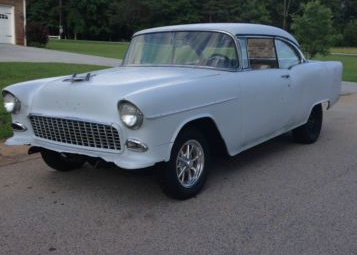
I was back on the road.  The ’55 was a mean looking car.  It had dark grey primered paint, no front bumper, and the front end was jacked up to give it the drag car look.  It sounded like a dragster, and it went like hell.  I drove it back and forth to college for about a half a year.  Never got a ticket.

Took a little searching, but here is a photo that comes very close to my ’55 Chevy two-door hardtop.  Primered paint, no bumper, mags on the front but not the rear.  Ruff, ready, and willin’!  See trailer at the end for a clip of “Two-Land Blacktop.”

1955-chevy-bel-air-2dr-hard-top.jpg

The end came on a back road on the way home from school one afternoon.  I was doing about 85 mph when there was a loud bang, the oil pressure gauge dropped to zero, and the exhaust turned to black smoke that appeared to mixed with some kind of particles.

I’d blown the engine.

I didn’t have time to swap in another engine, so I sold it cheap to a hot-rodder buddy.  He took the engine apart and told me the inside was just a mangled mass of rod bearings and parts of pistons.  He dropped in a 327 Corvette engine and raced it at the local drag strip.

I replaced it with a ’58 Chevy two-door hardtop – pretty blue with that venerable 283 V8.  Floor shifter, headers and very mellow sounding dual exhausts.  It needed a clutch, so I picked it up cheap and installed a clutch in my back yard, scooting around on my back in the dirt.

Here’s an image of the same model ’58 Chevy Bel Air two-door hardtop as the one I owned, except that the car was solid blue, not two-tone.

1958-chevrolet-bel-air.jpg

Over the next several years, I did a couple more engine swaps.  Dropped a 327 into my ’65 Impala Super Sport, swapped a Mercedes OHC six cylinder into my ’62 Mercedes 220S,  put a junk yard engine in a ’73 Pinto (why bother, one might ask), and even swapped a English Ford engine into a cute little ’58 English Ford Squire station wagon.

Never again!

Here’s a couple minutes of one of my all-time favorite films: “Two-Lane Blacktop,” starring songwriter James Taylor, Beach Boys drummer Dennis Wilson, actor/director Warren Oates and Laurie Bird.  And – a primered out ’55 Chevy!


Walking on the Western Edge of North America – the Washington Coast.

It’s autumn, when the Pacific Ocean coastal skies may be sunny or turn dark, ushering in the magnificent storm season.  Either way, it’s a perfect time to explore the westernmost edge of the North American continent.

moclips-wa-965fafeea3373724

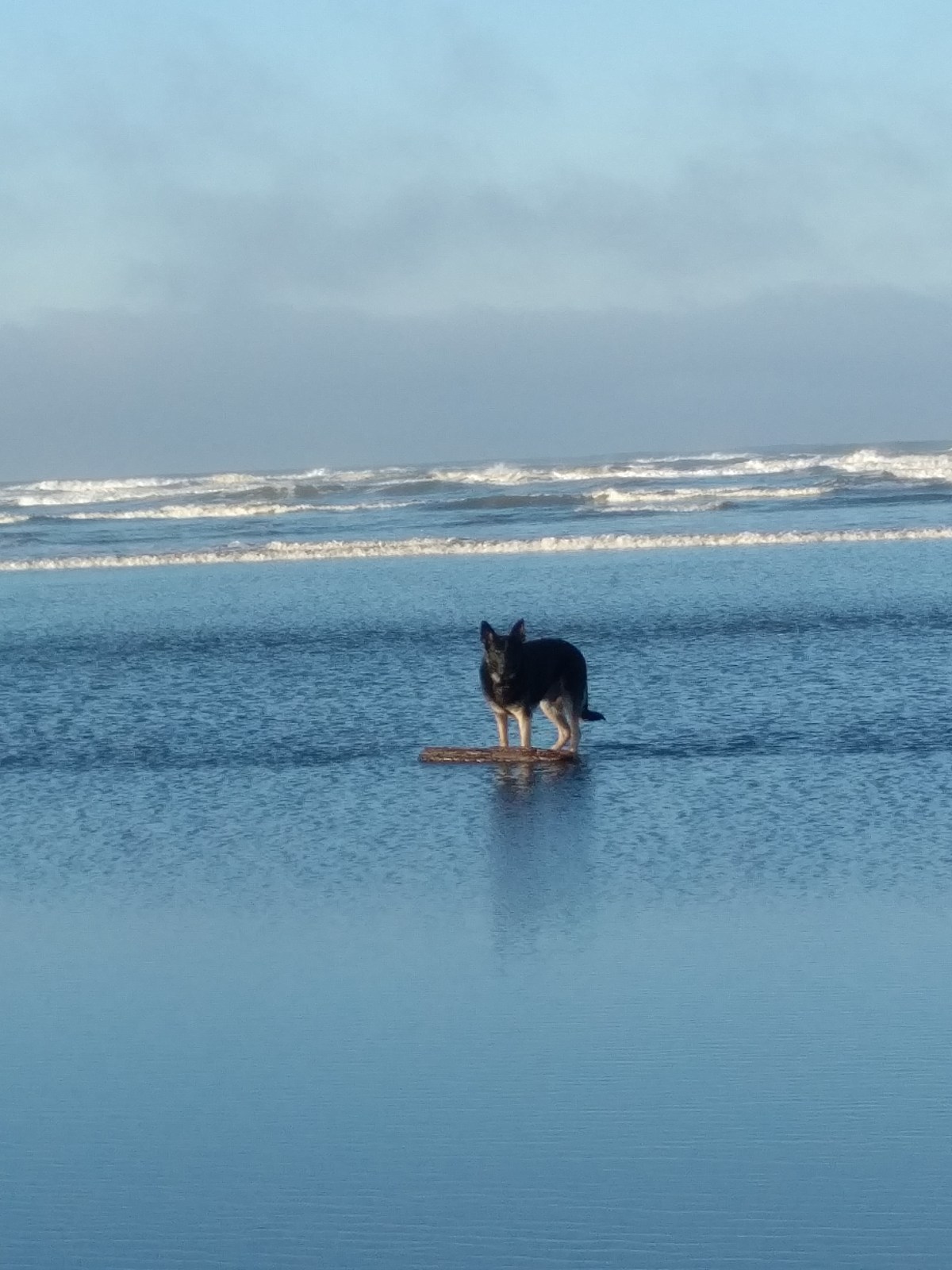
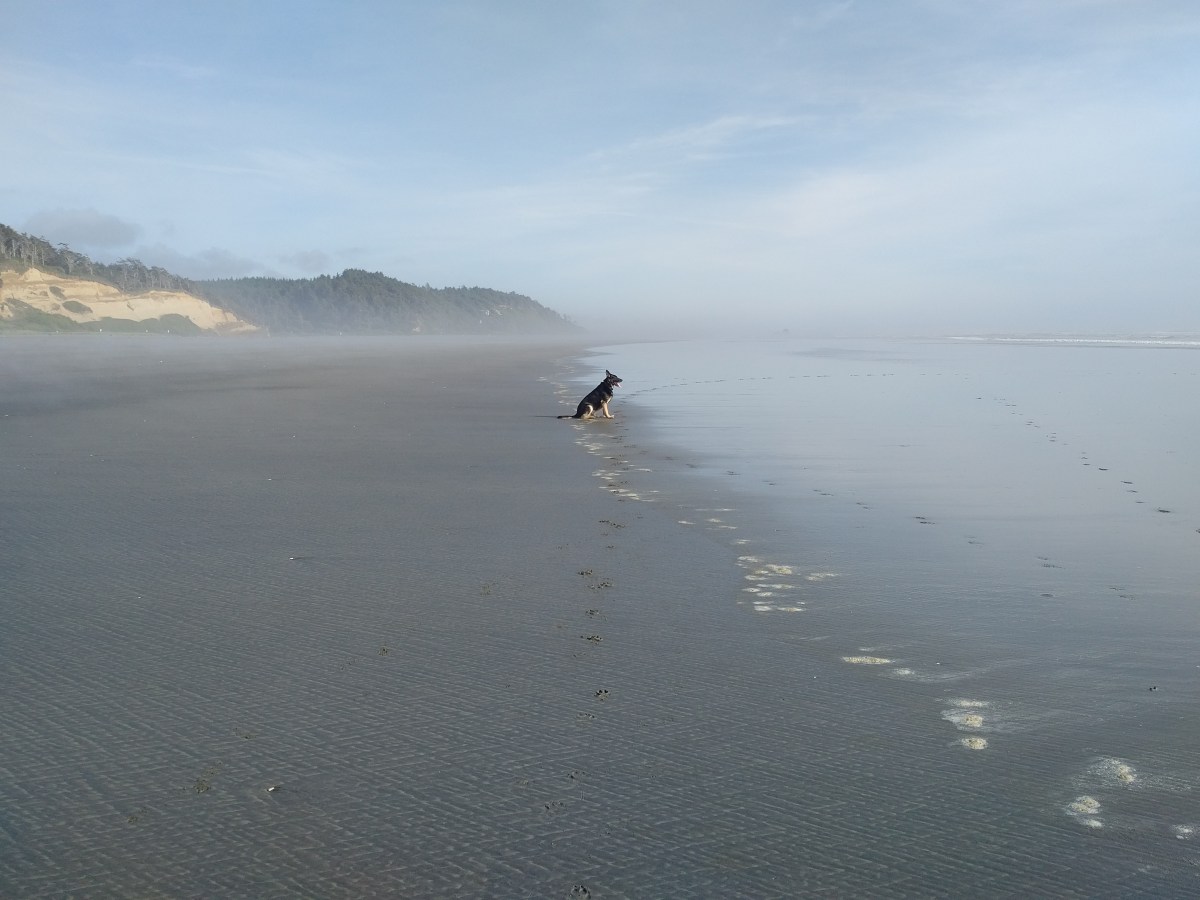
So my German Shepherd, Jack, and I headed out from our home on the Puget Sound to spend a week in the historic seaside resort town of Moclips, which was originally a village of the Quinault Indian Nation.  Spaniards were the first Europeans to come ashore here at Santiago beach, adjacent to the Moclips River, which runs to Point Grenville.

Moclips was homesteaded in 1862, and in 1905 it officially became a town when the western most terminus of the Northern Pacific Railway was completed at Moclips and the first Moclips Beach Hotel was completed.  Vacationers came to the beach by the thousands on the Northern Pacific.  No trains run to Moclips these days and most remnants of the the railway’s existence have faded away.  Click the photo below for more Moclips history.

depotheadernew

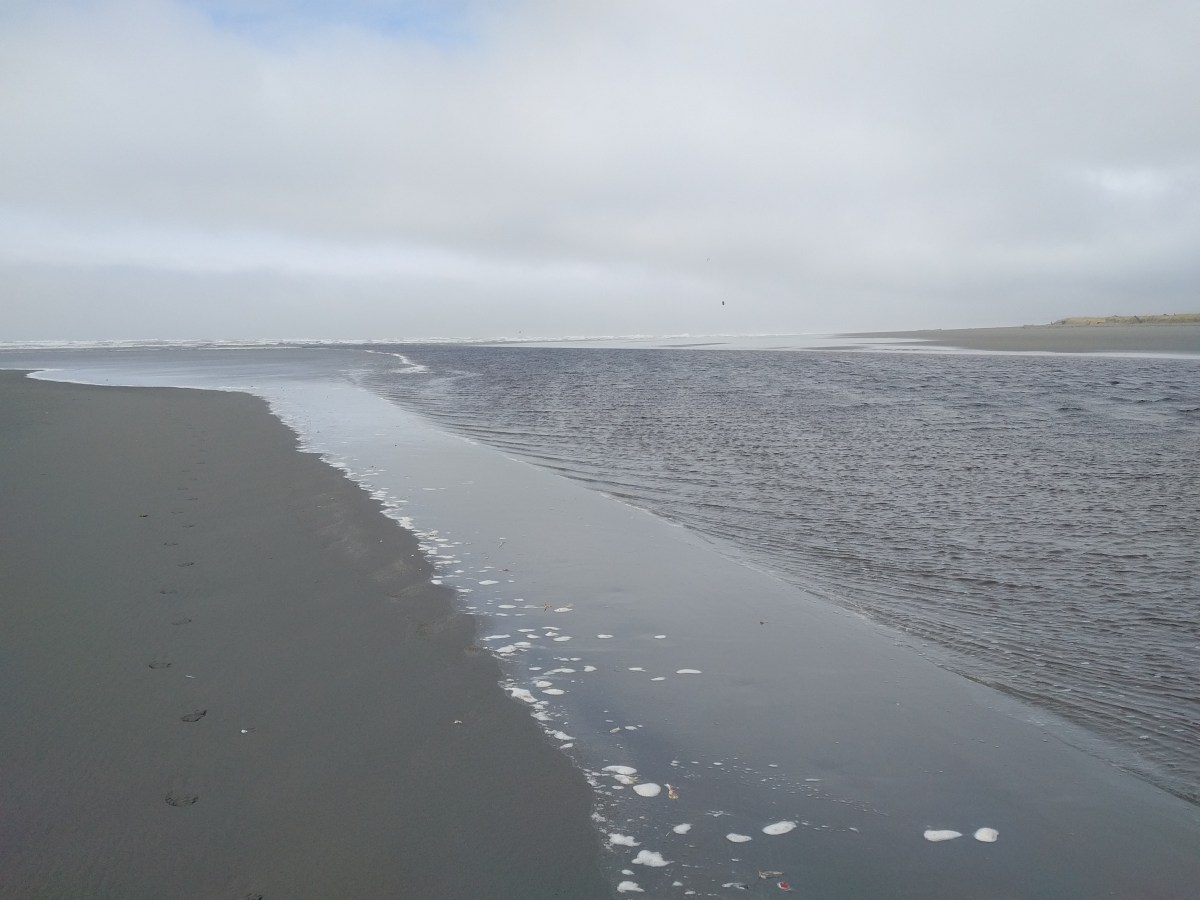
Today Moclips is a sleepy little seaside town with pristine beaches that stretch to the horizons.  The Moclips River flows from a natural riverine rain forest on a bed of agate rock.  You can see the remains of the train bridge trestles in my photos.

I stayed at the Hi-Tide Ocean Beach Resort, a peaceful and well-maintained collection of very comfortable, fully furnished and tastefully appointed condos with patios facing the ocean, the river and the setting sun. Hi-Tide welcomes dogs!  You can arrange rental on the Hi-Tide Resort website. 

img_20171024_1746538.jpg

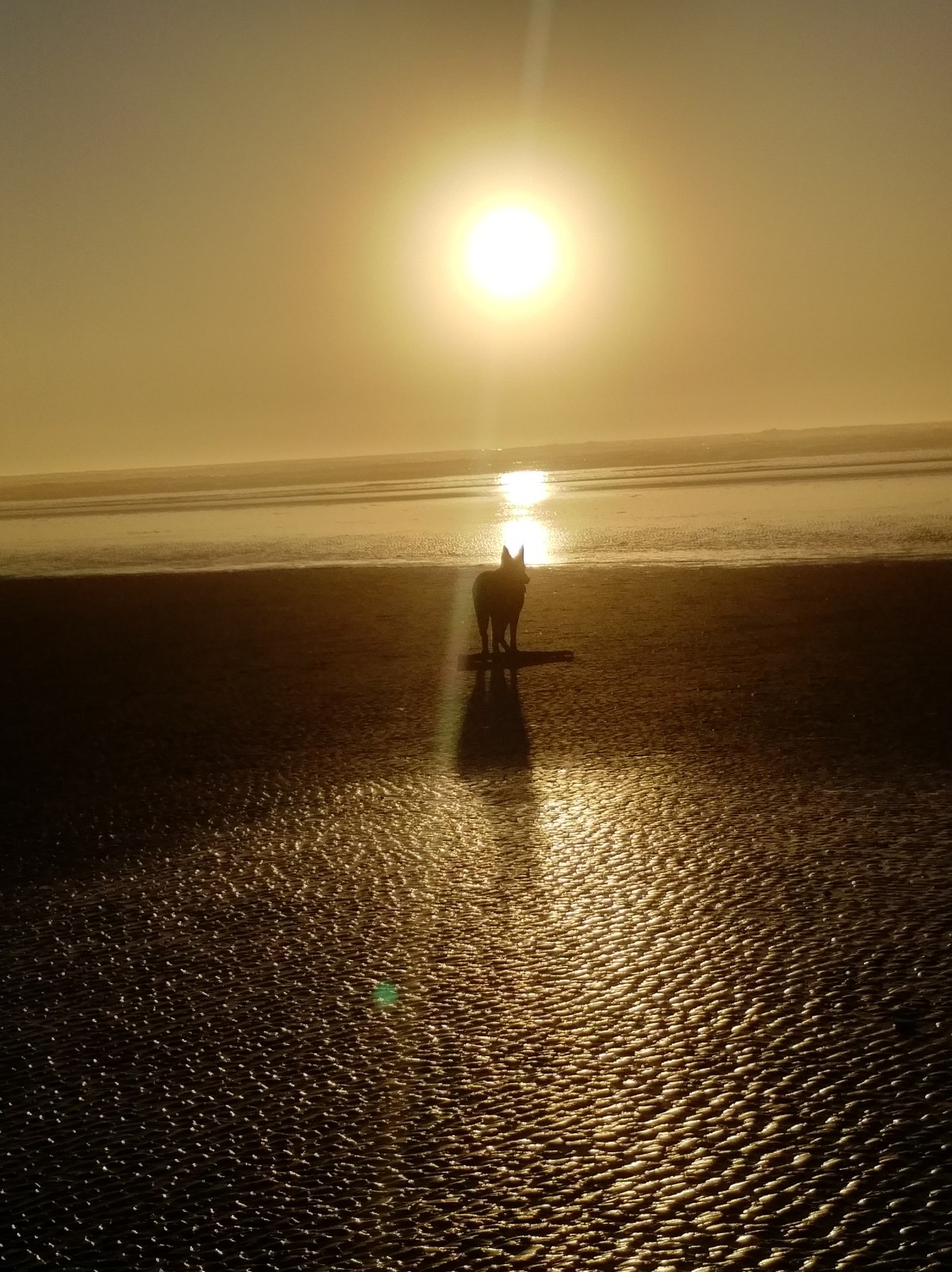
During our visit, we had a full compliment of weather: sun-drenched shorts and sandals weather at the beginning of the week, with marine air moving in, then darkening skies, wind picking up and rain by the time we left.  It was, in a word, a perfect autumn week on the Pacific Northwest coast.

Here are some of my photos of the journey. If you use them, please attribute.

Hello from Jack!

IMG_20171024_1745085

IMG_20171026_0852577

IMG_20171024_1737514

IMG_20171024_1720072

IMG_20171024_1757084

IMG_20171024_1732010

IMG_20171024_1722550

IMG_20171026_0833070

IMG_20171024_1758365

IMG_20171025_1255253

IMG_20171025_1257497

IMG_20171025_1747369

IMG_20171026_0849396

IMG_20171026_0854593

IMG_20171025_1300510

IMG_20171026_0849466

IMG_20171025_1744098

IMG_20171025_1746330

IMG_20171025_1749119

IMG_20171024_1741451

IMG_20171026_0839345

IMG_20171026_0903207

IMG_20171026_0842165

IMG_20171026_0907202

IMG_20171024_1749197

Habanera

At my annual piano recital when I was 12 years old, I played a piano transcription of the Habanera from Carmen. I practiced over and over until I could play it with my eyes closed.
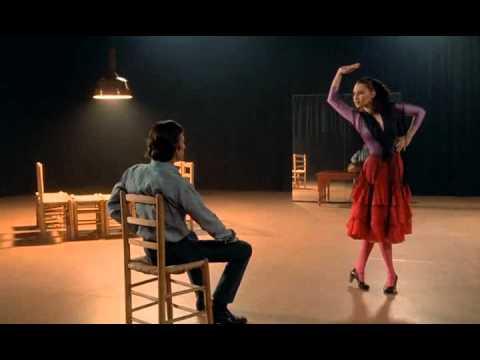
I walked onto the stage in a cold sweat, sat down at the keyboard, closed my eyes, and let it flow.

When I opened my eyes, the audience was standing, clapping, shouting “bravo.” I have no recollection of actually playing the piece, only the experience.

As a child, my father, who was stationed with the Army Air Corps in South America during WWII, parked me in front of an RCA Victor record player listening to the 78’s he’d collected from that era of Spanish ballads, flamenco guitar, and Carmen.

This selection is from an absolutely brilliant 1983 film directed and choreographed in the flamenco style by Carlos Saura and María Pagés. The image is grainy, but still powerful. The film was magnificent.

The Habanera from Carmen.

Here is the official movie trailer.


A memory of trees

Trees in particular were mysterious and seemed to me direct embodiments of the incomprehensible meaning of life. For that reason the woods were the place where I felt closest to its deepest meaning and its awe inspiring workings.
                                                                               C.G. Jung – Memories, Dreams, Reflections.

10410658_10207605501286248_1424093437167454724_n

We planted several hundred trees, my grandfather and me, when I was a lad of about eight years.

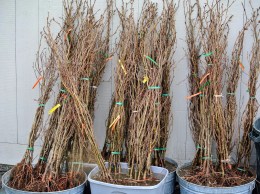
Grandpa heard that the county agricultural extension office would bring you as many saplings as you wanted – free.  So he ordered a pickup truck load.  They arrived bound in bundles, about 12 to 18 inches long, roots wrapped in wet burlap.

dsc_4837.jpg

We had a break in the rain, and they had to be planted now.  We loaded them on a trailer behind the tractor, along with a couple spades, and puttered on out to a large, rounded hillside on the flank of the west side of the farm.  The soil was shaley and rocky; the incline was too steep for cultivation.  But it was perfect for these baby fir, spruce and pine.
“They’ll hold the hill from erosion and someday provide a break from the west winds, as well as lumber,” Grandpa pronounced.

We planted.  And planted.  And planted.  Grandpa broke ground with his long-handled spade, driving it in with a sharp push from his farm boot.  He pulled the spade back and forth, cleaving open a pocket in the dirt.  From the other side, I deposited one sapling.  As Grandpa pulled the spade out and moved a few steps onto the next planting site, I tamped the earth carefully around the sapling with my feet.  I took another sapling from the bundle and followed on.  We planted every last one.

bare-root-trees.png

I’d long forgotten these evergreens until about 35 years later.  Visiting my hometown on my way from California to Germany with my five-year-old daughter, I drove out to the old Minnesota farm site.  It wasn’t a farm anymore, of course.  The ancient sprawling eight-bedroom farm house where I’d spent my youth, along with the barn and out buildings, had long since been bulldozed.  The fields where I once sat on my Grandfather’s lap on the tractor as he plowed, the trails I rode my horse on while tending the grazing cows and sheep, and the ponds once plied by ducks and geese – all leveled, landscaped, terraced and filled with suburban cookie cutter boxes on quarter acre lots.

All gone.  Except for two things.

The large pond I used to skate on in winter, catch turtles from in summer, and water the stock at – was still there.  Its likely saving grace was that it was spring fed and too deep to fill.  So the developer kept it as a water feature, complete with pussy willows waving in the breeze.

And the trees we’d planted.  The hillside that had been too steep to till was too steep to build on.  So a good portion of the trees that my grandfather and I had planted remained.  They ranged about 30 to 40 feet high.  We’d spaced them close, in lateral rows across the hillside, now forming a dense forest where birds and other wildlife could find refuge from suburbia.

841-02708192

Druid mythology is said to consider trees to be the sacred guardians of memory.  So it was a moment both joyous and solemn to be standing amongst the trees I’d planted with my grandfather 35 years before.  I was standing with my daughter, who’d never met my grandfather, yet who was now meeting him in his stand of trees.  Our trees had survived against all odds, they had thrived, and they had come onto their own.  This one small part of the landscape of my youth was intact, but changed over almost four decades.  A memory of trees.

Now these guardians, these once diminutive saplings, provided that break from the west winds, though not to the farm, the buildings, the livestock, or our family, as had been my grandfather’s original plan.  The wind break was to the dwellers of the houses on the quarter-acre lots.

As I stood there, with my daughter, not much younger than I was when I planted these fir, spruce and pine trees, I could not help but think: the future will always be far different from what you imagine it might be.

“Society grows great when old men plant trees whose shade they know they shall never sit in.”  Greek proverb.

druid__s_tree_by_batta85


Landscape of Youth Remembered

This reminiscence is a brief, wistful journey in a lingering daydream to a natural history of my past that comprises who I am.

Recalling my boyhood on a farm outside a small town in a Minnesota river valley, I walk through its green and amber fields and its verdant woodlands in spring and summer, sitting down and rolling back to “…loaf and invite my soul…lean and loaf at my ease observing a spear of summer grass,” with Mr. Whitman.

farm-road-fence-barn

With tasseled corn waving in the breeze, the air is filled with the fragrance of freshly cultivated earth, new mowed hay drying in the humid sun, and the pungent aroma of cows and horses in the barn.  Pigs squeal as they play in the mud, and chickens in their roosts cluck away, singing their discordant Song of the Laying of the Egg.

In the forest, the crow, the robin, the wren, and the jay converse as they establish presence and protocols.  In the farmyard, geese and ducks squawk, racing to where their grain is scattered on the ground.  Hawks and eagles keep their vigil from the sky, while the owl from his perch waits silently, blinking his eye lids – three lids per eye – monitoring a mouse bumbling through the leaves on the ground who would soon meet an untimely end.

tumblr_n5a9maU6dL1qhv4h7o1_400

Foxes cry on moonlit nights, sounding like a human babies lost in the woods; the wolf plaintively tests the air to see if any brothers or sisters might be in the neighborhood.

Summer provides a natural bounty, with berries of all kinds, plums, apples and cherries to be eaten right off the vine.  We pluck dandelions from the yard to make a sweet wine that will rest in bottles in the cellar alongside crocks of fresh cut cabbage in a salty brine, among rows upon rows of pickles and tomatoes that will bring thoughts of summer to cold winter days.

Escaping summer’s mid-day inferno is essential, whether lounging in a creaky, unpainted gypsy lawn chair made of willow twigs in the shade of an ancient elm; lying quietly in the cool screened porch; or retreating to a far corner of the hay mow where no one would think to find me.  I might snatch a wisp of timothy hay to chew on or stick between my teeth – or pull a blade of grass to stretch between my thumbs, purse my lips, and blow through to produce a whistle so loud it made the dog jump.

When the smoldering, moist heat becomes oppressive, when it’s 95 in the shade and 95 percent humidity, I ride my horse over the hills and through the back woods to Long Lake, where we plunge in to swim together.  Or I bike to the St. Croix River, jump in wearing cut-off jeans, and feel the swirling current dissipate the heat from my mind and body and carry it downstream.

Taking little brother for a horse ride
Taking my very reluctant little brother for a ride on my pony Peanuts.

Harvest season comes as the air takes on a steely edge, winds pick up, and oak burning in the wood stove perfumes the air.  The wood cook stove in the kitchen never gets a chance to cool, as each day my grandmother adds additional lamb, vegetables, barley, and potatoes to a bottomless cauldron of soup that never ends.  I lift the cast iron plates from the stove top to toast thick slices of rustic, fresh baked bread over the deep crimson embers and slather them with hand-churned butter.

Dad and Tractor_000007
Towing Dad behind the 1948 Leader farm tractor. I learned to drive this tractor a few years later.

Doing early morning chores, feeding stock, milking, carrying water, chopping wood, I can see my breath as a light frost forms around my nose.  Snow builds on the roof.  Icicles drip in the frigid sun from the eaves.  Fields and woodlands begin their turning a frigid, brittle white as the somber silence of winter envelopes the land.

WI Farm_000005
Winter fog

In late winter and early spring, our sheep will begin dropping lambs wherever they feel like it.  We lace up our sorrels and trudge through the night snow, slush and mud with flashlights, listening for the bleating of orphan lambs that must be brought in to hand feed.  The dogs will lead us to them.  All lives are precious.

scan-40-e1507665704156.jpeg
Eight years old with an orphan lamb that I had bottle fed.

These memories occupy a comfortable space in my mind, providing a homage and the logic to what formed me and what I’m made of now, all these years later.

As long as memory remains, so will this landscape of my youth.

DSC_0014
Stairs leading to downtown Stillwater, Minnesota
still_0015
My hometown on the St. Croix River: Stillwater, Minnesota.


Piano Men

“What do you hear?”

“Major third?”

“Or is it a diminished fourth?  Listen to the progression again.”

Ear training with Dr. Abbott.  One hour.  Three times a week.  Three months.

unnamed

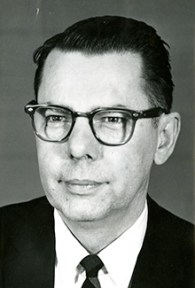
I learned a great deal about the art and science of the piano from Dr. William Abbott, professor of music at the University of Wisconsin.  Dr. Abbott was a brilliant, virtuoso pianist – classic, jazz, pop – he played it all, and he played several other instruments at a high level.  He was one of the few people who have true perfect pitch.  His doctorate was Music Theory, and his performance experience included playing with the big bands, like the Count Basie Orchestra.  He played bassoon with the Fargo-Moorhead Symphony Orchestra, tympani with the St. Paul Chamber Orchestra, and piano for Guthrie Theater productions.  He founded and conducted the St. Croix Valley Symphony Orchestra.

AbbottWilliamweb
Dr. William Abbott, Professor of Music

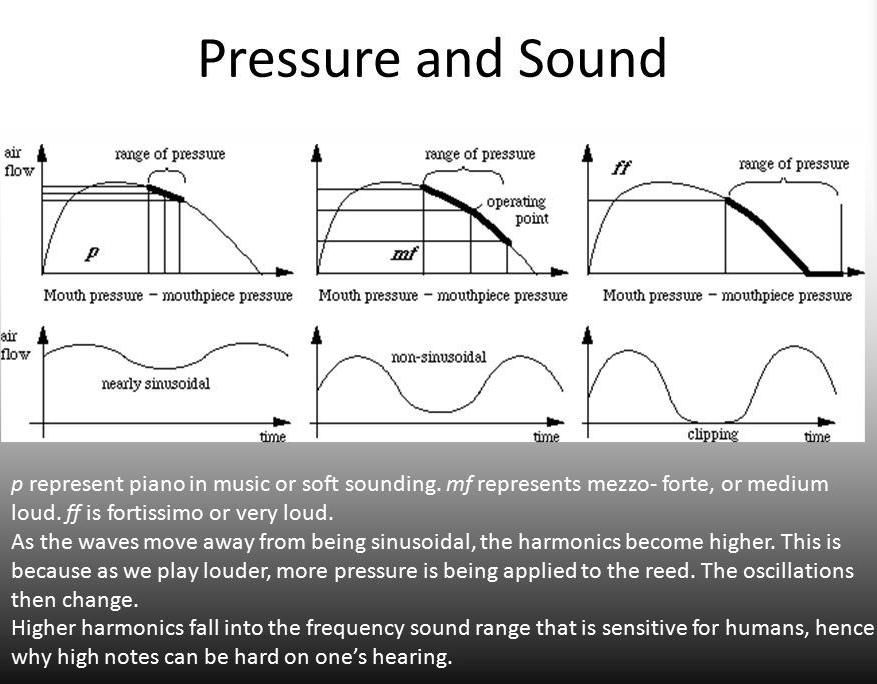
Dr. Abbott created an innovative university program combining ear training, music theory, performance, piano tuning and rebuilding, history of the piano, and the physics of sound – the science of what happens when the piano hammer hits the piano wire.  Art meets craft meets science.  His car license plate was 88KEYS.Pressure+and+Sound+p+represent+piano+in+music+or+soft+sounding.+mf+represents+mezzo-+forte,+or+medium+loud.+ff+is+fortissimo+or+very+loud.

I was one of his first piano technology students.  Combining the art of playing piano with the almost lost craft of tuning and rebuilding those magnificent old uprights and grands appealed to me on several levels.  At a time when I was struggling with focus, this opportunity offered university study with a practical application.   Dr. Abbott and I spent quite a bit of time together, taking pianos apart, rebuilding and regulating the actions, putting them back together, and tuning them.  He was a gifted teacher and the consummate story teller.  One afternoon, as we were adjusting the dampers of one of the school’s grand pianos, he told me this story, which does not end as you might think it might.

hqdefault

He told me that before his first son was born and still in his mother’s womb, he and his wife sat at the piano, playing and singing, so the young Abbott would feel music before ever hearing it.  After the boy was born, they sang to him and played for him, bringing him music in every way, shape or form he could think of.

As the boy grew, he set his son’s course to the good doctor’s first love: music.  Music lessons, ear training, voice training, multiple instrument training – he did everything he could think of to light the fire of music in the lad’s belly.

Dr. Abbott paused, then went about his work and didn’t continue the story.  So I prodded him.

“How old is your son now?”

“Twenty.”

“He must be a very accomplished musician?”

A pause.

“No, he’s not.  He plays guitar a little.  But he has no interest in making music a significant part of his life.”

“Well, what’s he doing?”

“He dropped out of college his freshman year.  He’s driving delivery truck for the Pepsi bottler in town.  Likes the job.”

The end.

fee36b3f-a1c4-4a0c-8cd0-e042fbcf1087

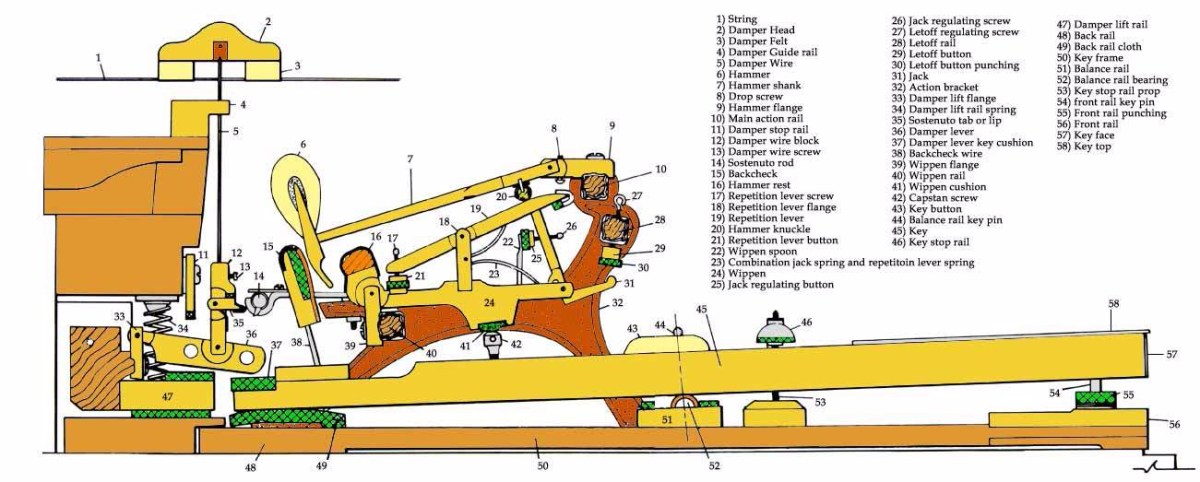
I finished up my piano technology course work that year.  My final project, my “thesis,” was to take a well-worn action from one of the school’s Steinways, a 6’ 10” Model B, rebuild it, and regulate it to perfection.  The piano action is the mechanical chassis that transfers the motion of the pianist’s fingers on the keys to the hammers striking the strings.  The action easily slides out of the piano bed in one piece so you can transport it to a well-lit shop and begin work.

A grand piano action can have over 6,000 separate parts, mostly made of wood, particularly on older pianos.  Each key can have up to about 40 separate components, beginning at the ivories and ending at the hammers.  Each needs to be adjusted to critical tolerances in order to respond and translate the pianist’s touch over a wide dynamic range, from pianissimo to forte.  An accomplished pianist can play up to about 15 notes per second with each hand, so every pin, strap and spring must be working precisely.

Piano action grand
Grand piano action

First, I inspected the action and replaced any broken or malfunctioning parts.  Then I reshaped and voiced each of the 88 hammers and set the hammer drop.  At that point, I regulated let-off distance from the hammer to the string by turning the drop screw on every one.  Among the many other arcane adjustments: jack-to-knuckle alignment, back checks, spring tests to make sure they are strong enough for positive hammer lift, jack height, drop, and dip/after-touch.  The tools used for this work are highly specialized and unrecognizable to anyone who does not use them.  Dr. Abbott personally helped me build my tool kit from Schaff Piano Supply outside Chicago.

case_open2

It took me several hours over a period of a week to complete work on the action.  The big day arrived.  I hauled the action – very carefully – into Dr. Abbott’s office, which also served as the university piano shop.  I rechecked the obvious and waited for the professor to finish up a class and come proof my work.

He walked in, set his briefcase down and did a brief visual inspection of the action.  Taking off his coat, he loosened his tie, sat down on a piano stool at the shop table, and put on his reading glasses.  After opening his tool kit and selecting the appropriate regulation tools, he started at the bass end and deliberately worked his way up to the treble.  He quizzed me on the whys and wherefores of what I’d done and checked every measurement, making further adjustments here and there.  It took a couple hours.

Jim-Wilson-3.8_Regulation_tensionTest

Rolling his piano stool back, Dr. Abbott took off his glasses, looked at me, and smiled.

“Excellent.  A+ work.  This action is ready for concert duty.  I could not have done it better myself.  Please return it to its piano, check the damper action, and take it for a spin!”

I could finally breathe!  The final joy was sliding the action back into the Model B, fastening it securely, replacing all the other parts, checking the damper action, and sitting down to play it.  The action was crisp, responsive, and flawless, though I did detect a little more work I might do on voicing some of the hammers.

Click here for a demonstration of a 1979 Steinway Model B that has been fully restored, along with a complete description of the work done by the piano technician.

steinway-model-b.jpg

After leaving the university, I started work for the largest piano shop in Minneapolis – Schmitt Music – rebuilding and turning pianos, learning from the pros.  It was an apprentice position that prepared me to join the Piano Technicians Guild and start my own piano business for a time, The Upright Piano Works.  I called it “upright” because I thought of myself as an upright person, and it was a name that was right for the times as the retro craft movement was growing.  Calling it The Grand Piano Works would have been pretentious.  Or so I thought.

Not long after I left the university, I received word that Bill had died suddenly of a heart attack.  They named the concert hall in the university’s Fine Arts Building after him.  Abbott Concert Hall.  I returned to the university that same year, completed my major field of study – English – and graduated a year after he passed away.

I continued doing piano work, but as other work and travel took over, including grad school, it faded to the background.  I still have all my tools, and a couple years ago put them to use on my 1931 Vose Brothers baby grand.  I had forgotten some things, but as I took the tools in my hands and started to use them, the skills came back.  The difference in the piano amazed me.  The fact that I could still do the work after all these years amazed me, even more.

IMG_20150410_104553

IMG_20150410_104410
My 1931 Vose Brothers Baby Grand after complete action rebuild.

From time to time, I think back to the story Bill told me.  I don’t know why he shared that part of his life with me, but I think it was related to my own search for grounding and direction, which were likely apparent to him.  The message I took away was this: No matter how you plan, life often has something else in store for you and turns another direction.

The best laid schemes of Mice and Men

oft go awry,

And leave us nothing but grief and pain,

For promised joy!

Robert Burns, To a Mouse (Poem, November, 1785)


13124950_10154838026531038_2151758473061613523_n.jpg


Pacific Ocean Cabins With a View

31591d445cd9e5320f9998addf22d76f--boating-rainer-maria-rilke

All photos by S.W. Cosgrove

IMG_20170606_1806130

At the north western edge of the continental United States, with the Pacific Ocean at your feet, lie a handful of cabins – Iron Springs Resort.  They are arranged on a bluff overlooking a vast horizon that stretches westward to the edges of what is visible, then dissolves into what is not visible to mere mortals.

IMG_20170427_1829367

As you walk at the edge of the pounding surf, the sandy shores seem to stretch to infinity from north to south.  Keep walking – for hours if you like – and you’ll never reach the end.  The sand, the surf and the springs and estuaries that feed into the ocean recede and dissolve until they exist only in your memory.  As the tides come in and go out at the resort’s Boone Creek, where fresh water meets salt water, you can watch the fresh water rise up over the more dense salt water, while the salt water beneath pushes its way upstream along the bottom.  But as you walk, beware the incoming high tide, or you may find it difficult to return to where you began.

img_20170606_1803187.jpg

The sounds of the savage ocean shore are primal, as if from a dream.  The sea birds, screaming at your thoughtless interruption of their dining routine.  The winds, from gentle to so harsh they’ll blister your skin.  And the rhythmic symphony of the great ocean beast itself as it moves ever towards the shore, changing from swells to white capped waves to crashing surf, ending the cycle as a churning but ever thinner sheet of water conforming to the irregular nuance of beach, fragmenting into barely visible ripples that disappear, pulsing and absorbed into the sand, only to reform as rivulets of salt water retreating to the ocean to begin the journey again.

IMG_20170426_2012005

This is the endless world.  The ocean.  From the beginning of time through eternity.  We have the privilege of being part of the world but for a short time, less consequential than a grain of beach sand that has existed for millions of years.  In comparison, our lives are an almost impercipitible flash of energy, barely noted, lasting an immersurabley short time.

IMG_20170608_1835339

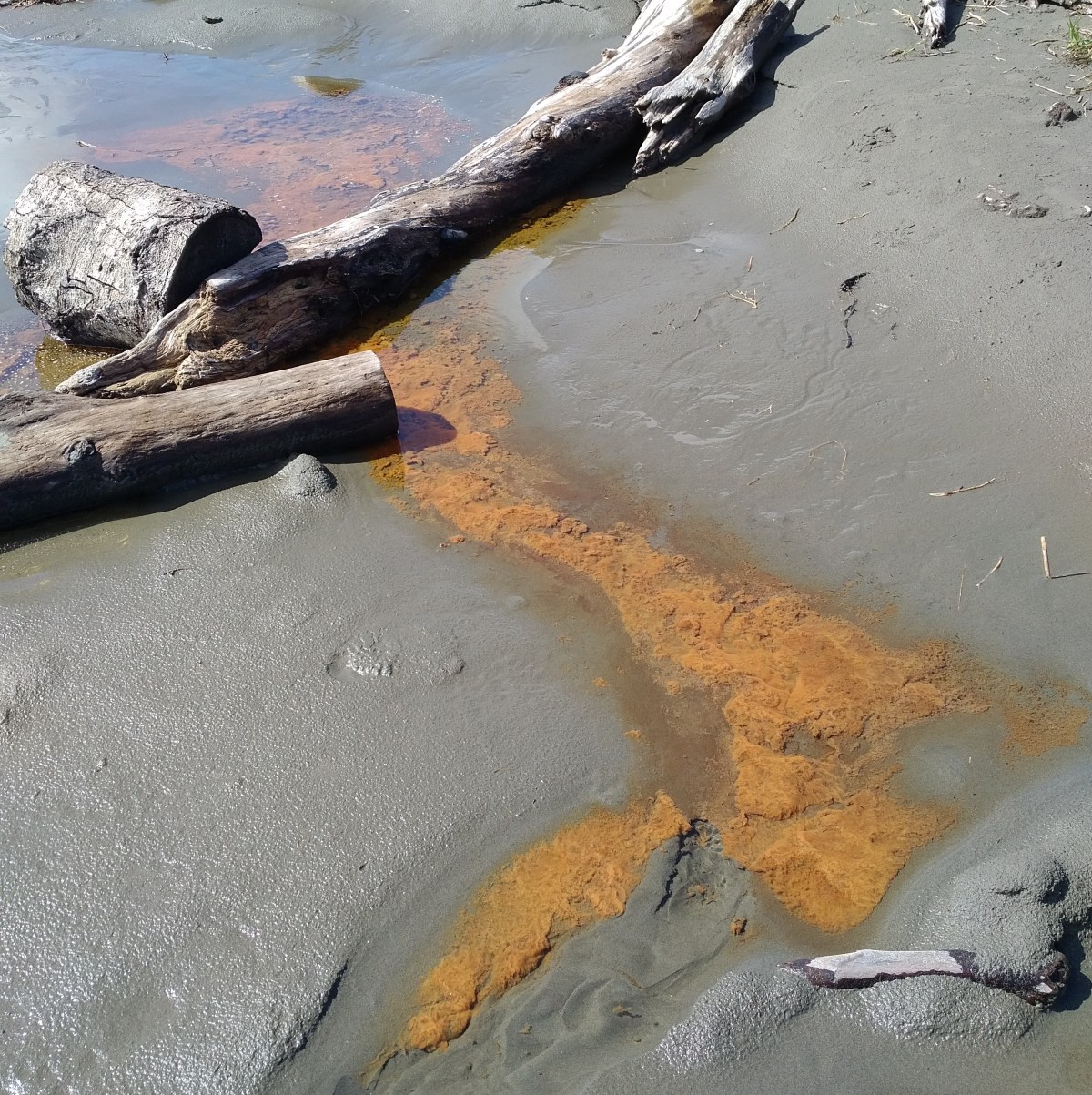
So you might as well take advantage of it.  Find a place like Iron Springs Resort, with about 25 cabins perched on a bluff stained orange from the iron-filled cliffs, with ruddy cinnamon waters from the nearby Boone Creek staining the beach.  In the 19th century, the area was considered to be a medicinal soaking place.

img_20170426_1113297.jpg

The cabins have ocean-facing decks, almost all with stunning sunset panoramas.  The resort has been there for decades, but all the cabins have been extensively renovated, incorporating the original stone fireplaces, with a generous supply of firewood included.  Though the cabins retain their rustic persona, they are equipped to the highest standard for your stay, whether it’s for the night or for the week.  Kitchens are well equipped, with granite countertops and modern appliances, including a dishwasher.   A full complement of cookware and dinnerware is in the cabinets, and there is a nice sharp set of cooking knives – a nice touch.  Fresh linens and towels are included, as well as dog towels to wipe your best friend’s feet.   Iron Springs Resort not only allows dogs, they love dogs.  When I arrived for my first visit, I brought my German Shepherd, Jack, with me the office to check in and they spent more time talking to him than me, letting him pick out a nice tennis ball from the bucket to take to the beach.   Oh yes, dog dishes are also supplied in the cabins.

img_20170426_1007156.jpg

The ambience at Rust Springs Resort is serene and congenial.  The cabins are set apart so that privacy is ensured.  Several people I met were repeat visitors, and I later found that many have used Iron Springs Resort as a touchstone for family getaways, reunions, bonfires and clam digs for generations.  There seemed to be a dog or two in every cabin, with everyone respectfully keeping their buddies on the leash.  The exception is the friendly resort dogs, who quite understandably are free to go where they like.

img_20170608_2116076.jpg

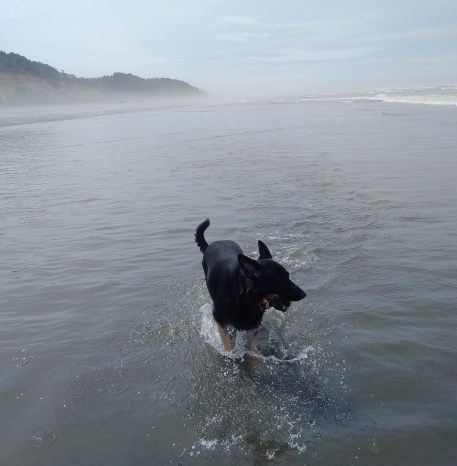
But once you take the five-minute walk to the beach, off comes the leash, and your dog will enter unrestrained cosmic canine bliss.  Feel free to do so, as well!  My GSD Jack takes off like a shot, with a rooster tail of flying sand behind him, until he gets to the water where he splashes around barking at the waves and chasing gulls.  When he finally slows down, somewhat later, we walk and walk and walk.  By the time we get back to the cabin, he’s ready for chow and a nice laydown, and so am I.  Click here or photo below for video link.

img_20170607_1118538-e1505257182266.jpg

There is no finer end to the day for me than sitting out on the cabin deck with a glass of wine, watching the sun slip into the ocean.  Every cabin has a barbeque grill on the deck, if you’re in the mood.  If it’s windy or rainy, you just move inside, prop your feet up and enjoy the same view through the expansive glass windows and door.

IMG_20170427_2006568

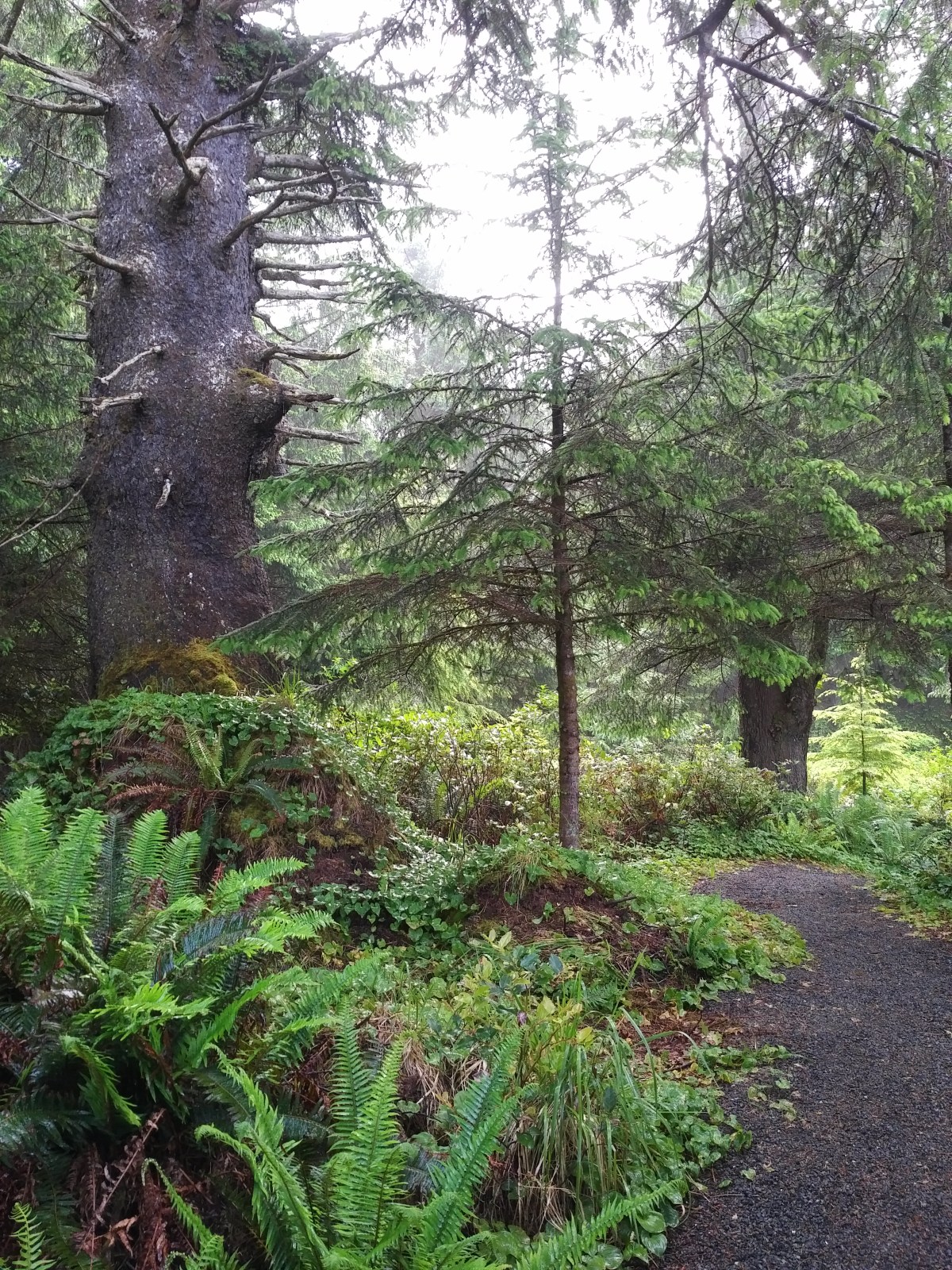
In addition to the Pacific Ocean beach on your front doorstep, there are hiking trails in the second growth forest behind the resort, with “wolf trees” that must get their name from the branches that look to me like wolf teeth.  There’s also fishing, shell fishing, bird watching, as well as marine and rainforest parks.  The razor clams are famous.  The Hoh Rain Forest, a world heritage site, is not far away.

IMG_20170609_0745450

Iron Springs Resort is an easy two and half hour drive from Seattle.  Head west through Olympia towards Aberdeen and then follow the road north to Ocean Shores.  Ocean Shores will be your last chance for grocery and other shopping, and then you keep going north on Washington 109N about another 15 minutes.  After you cross the Copalis River Bridge, keep watch for the large overturned lifeboat on the left, then turn into the parking lot.  Check out of your hectic life and check into ocean time.

img_20170608_2050314.jpg

For more information on Iron Springs Resort, including the history of the area and resort, go to their website at http://www.ironspringsresort.com/  There, you will find out one unusual feature of the resort, which is that the beach in front is home to Copalis Beach Airport.  It is the only known beach airport in the contiguous United States and the only stretch of Washington State beach where it is legal to land a plane.  Timing is everything, in case you plan to fly in – the runway and airplane parking area are under water at high tide!  Click here or the photo for the Washington Department of Transportation Copalis Airport link.

IMG_20170426_1114326


Union Man – An Accidental Union Organizer

“Do not return to work.  We have terminated your employment.  Do not enter the grounds or we will have you arrested for trespassing.”

This Saturday afternoon, I was under the hood of my 1966 Chevy Impala 396 Super Sport doing some engine work by our barn when Mike pulled into our driveway in his shiny white Ford pickup truck to fire me.  I worked at his cheese factory, just a few miles away, six days a week, 12 to 16 hours a day – except Saturday, which was usually a half day.  If a reefer truck pulled in and needed loading, we’d be working no matter what day of the week it was.

cheese-cake.jpg

Mike and his partner, Edgar, owned that cheese factory.  When I saw them together, I often smiled to myself a little because they reminded me of a Laurel and Hardy pair.  Mike was middle aged and over six feet tall, with broad shoulders and an even broader paunch.  Every day, he wore a white dress shirt that never seemed to stay fully tucked in his pants, which had their own difficulty finding where his waist was located.  Edgar was much older and a good foot shorter, stooped over and almost frail.  His glasses were usually sliding down his nose, probably because the lenses were as thick as the end of a Coke bottle.  Neither of the two was particularly cordial or pleasant to deal with.  Mike seemed a bit of a bully, his face always on the verge of a snarl, and Edgar walked by you as if you weren’t in the room, on the rare occasions he left his office.  Edgar did the books; Mike ran floor operations.

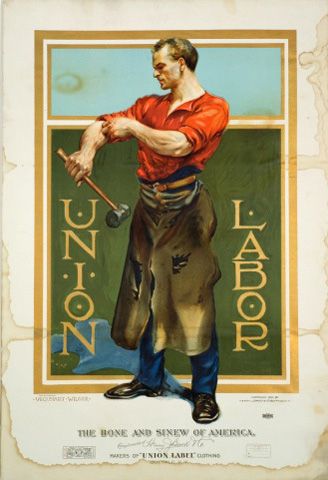
Terence Powderly Catching Jay Gould

It was just a matter of time before they tried to get rid of me, so I wasn’t surprised at Mike’s news.  I kept my mouth shut, nodded once, and turned back to working on my car.  Mike backed down the drive and disappeared in a trail of dust kicked up from the dirt road that ran from our farm to the main road.  I knew exactly why this happened and how I got here, and I had a plan.

jimmy-smits.jpg

Now in my early 20’s, I was an accidental union organizer.  Up until a couple months ago, I’d never given a thought to that calling, and I never did again, though I have a working knowledge of unions and union organizers, from Mother Jones to Joe Hill to Eugene Debs to César Chávez.  I also knew a thing or two about labor, growing up on a farm where we breathed work from early morning until late at night.  When I was 13 years old, I hired out for the summer to a farmer on the other side of the county six days a week for room and board and $75 a month.  My parents picked me up Saturday night and brought me back on Monday morning.  This was good money for a kid in those days, and I was so busy working I had nowhere to spend it.

The next two summers I rode my bicycle several miles each day to weed, hoe and plant trees six days a week at a large tree nursery.  The following autumns, I spent my weekends picking, grading and selling apples at a neighboring orchard run by an agronomy professor from the University of Minnesota.  All the apples you could eat.  After school and weekends, I worked maintenance at a restaurant and apartment complex, as a soda jerk at a drug store, and as a prep and line cook at a local restaurant.  When I was 17, I graduated from high school, started college and worked between classes and semesters at restaurants, sod fields, gas stations, construction companies and even a destruction company, tearing down old buildings, including the school where I attended first grade as a child.  I worked alternating shifts for one summer at a window factory.  Graveyard shift was 7 p.m. to 7 a.m.  One summer I spent hanging on for dear life on a portable scaffolding high above the ground taking down and putting up billboard advertising.  Hot, hard work, particularly in the blazing sun holding a blow torch and burning off the old paper posters.  I guess you could call me a poster boy.

billboard.jpg

Yes, I knew something about work and labor relations.

My goal now was to break the work and school cycle to travel Europe and Africa until whatever money I’d saved for the trip was spent.  That’s why I moved from Minneapolis to my grandparents’ farm in Wisconsin to keep expenses low and save every penny I could.  I first worked at a feed mill, then took a job at the cheese factory.  Terrible pay, even by Wisconsin welfare belt standards, but working 60 to 80 hours a week – no overtime pay – still added up.  I also bought cars, fixed them up and resold them at a profit.  My trip to Europe was on track.

CheeseFactory

The cheese factory was a dump, an old industrial building with rickety, tacked-on stick additions outfitted with cheese making equipment and storage.  It was freezing in the winter and a sweat shop in the summer.  We made two cheeses: mozzarella and provolone.  The factory bought milk locally and dumped the excess whey in a stream that ran alongside the building.  EPA had just been founded a few years earlier, so there was little environmental oversight.  Some farmers, including my grandfather, fed it to their hogs.  We loaded the cheese on trucks bound for Italian food and pizza factories in Milwaukee and Chicago.

provolone.jpg

There were two professional cheese makers, but the rest of the work force were people like me – local men and a few women, doing what was necessary, going home at night smelling like whey and brine.  We pressed the cheese curds into 12 pound blocks, then moved them from one brine vat to another to age and firm up the cheese quickly.  After that, we vacuum packed it with industrial Cryovac machines.

cheesemakers-1.jpg

Many of the crew had families, and all were just getting by, one miss-step away from the dole and the welfare roll.  You made friends in a place like that, mainly because you could not afford to make enemies.  We spent most of our waking day together.  There was a small group of young men, some married, some not, who got together on Saturday night, drank beer and bar hopped.  That was the high point of the week, and the only entertainment available in that part of Wisconsin.  Arnie was my best cheese hound buddy.  He was a competition level talker, wiry and tireless.  He could drink twice as much beer as I could, and it never showed.  Wisconsin boy.

Arnie lived a couple miles the opposite direction from our farm and the cheese factory in a modest mobile home on his father-in-law’s farm.  His wife, Betts, was an all-American Wisconsin farm girl.  Arnie met her when she was the county 4-H Queen.  A sturdy gal, she was bubbly, pretty, and always friendly, with a bright smile.  They’d been married about three months, and she was six months pregnant.  There may have been a shotgun involved in the wedding arrangements.

Wisconsin girl

It was Arnie and Betts who turned me into a union organizer.  Not that they ever knew that, either then or now.

Arnie called me one night.

“Steve, I can’t make it to work tomorrow.  Tell Mike that I’ll get hold of him later in the day.”

“What’s up, buddy,” I said. “Anything I can help with?”

“I have to take Betts to the hospital tonight.  Something’s not right with the baby.  I’ll let you know.”

When I got to work the next morning in the dark at 0600, I passed on the information.  Mike grunted something under his breath and walked away.  This was the first day I knew of that Arnie had ever missed work since I’d been there.  He couldn’t afford to.  There was no sick leave, family leave, paid time off – if you didn’t work, you didn’t get paid.  And you might get fired.

Arnie stopped by the farm that evening.  Betts was back home, and both she and the baby were fine.  But the doctor told them that this was likely going to be an eventful pregnancy that would require more trips to the hospital and maybe a longer hospital stay closer to the time of birth.  Arnie’s voice was trembling and his hands were trembling.

“I’m not sure how we’re going to do this without going into debt.”

I went in the house and got a couple beers, and we sat out on the porch and talked.  Arnie was already in debt.  He was my age, and he owed for the mobile home, a new septic he’d just put in, and his economical little Chevy Vega station wagon.  Betts’ parents were farmers – they were comfortable, but cash poor, as anyone who’s run a small farm will understand.  Arnie’s job paid poorly and provided absolutely no benefits.  No paid leave and no medical insurance.  Then, as now, private health insurance was costly.

All of us who worked at the cheese factory were in the same spot.  Yet, 15 miles away there was another cheese factory where they had those benefits.  It was a union shop.  They had decent living wages, overtime, holidays and vacation time, retirement benefits, and medical insurance.  They also had no job openings.  It was considered to be one of the best places in the county to work.

The following day, I got the name of that cheese factory’s union steward and called him to explain the situation.

“I know all about your cheese factory,” he told me.  “You’re not the first person to call me.”

He gave me the telephone number of the union’s regional office in Eau Claire, Wisconsin, about an hour and a half away.  The International Brotherhood of the Teamsters.  That night, the Teamsters representative called me back, and we talked.

“Yea, it’s the same all over,” he said.  “First step is that you have to find out if there are enough workers interested in being part of our union.  Many don’t because they’re scared of the owner.  Ask around, but don’t use work time to discuss it.  If you do, they’ll fire you and there’s not much we can do about it.  If they vote the union in and they try to fire you, the Teamsters and Wisconsin’s Department of Industry, Labor and Human Relations (DILHR) will sue them, and we’ll win.”

That’s what I did.  That Saturday night when we got together for our traditional Wisconsin social event, bar hopping, I brought it up.  There was guarded interest.  They all knew people who worked at the union cheese factory, and any one of them would have taken a job there instantly.  So I told them to ask around, and if there was enough interest, the Teamsters representative would meet with us, answer questions, and if we were ready, set us up for the next step, which was a formal vote under Wisconsin labor laws and guidance.

It didn’t take long to discover that there was overwhelming interest.  I arranged for the Teamsters representative to meet with all those interested at the party room at a local bar.  Almost the entire work force, about 30 people, showed up.  Yes, hell yes – let’s do it!

The Teamsters and the Wisconsin labor office contacted the cheese factory and set up the vote, monitored by all parties.

workers-voting-for-union-representation-in-river-rouge-ford-dearborn-june-1941

The results: Yes. Unanimous.

The cheese factory owners: mad as wasps who’d just had their hive knocked down.  They were out for blood.  When they found out who the instigator was – who the organizer was – it was my blood they were after.  That’s when Mike came to my home to fire me.

Big mistake, Mike.  Monday morning, I called the Teamsters office and reported what had transpired.

“Sorry to hear that, Steve, but that often happens.  Here’s what we’ll do.”

They explained that it was illegal to fire me for organizing union representation, and doubly illegal to come onto my property at my home and do so.  I had an excellent work record, was never late for work, and never missed a day.  The Teamsters attorney sent a letter to the owners instructing them to immediately reinstate me with full back pay.  They were to send me a registered letter and not call me or set foot on my property until I’d formally accepted the reinstatement by return registered mail.  If they didn’t, they would be sued.  On my part, I was not to have any contact with them until I had received and formally replied to their letter of reinstatement.  If a factory representative came on my property, I was to call the sheriff.

Within a couple weeks, my comrades in arms welcomed me back to work.  There wasn’t really any hugging; we shook hands and patted each other on the shoulder.  From a safe distance.  I didn’t have to buy my own beer for several weeks.  That’s how it was in Wisconsin back then.

The owners glared daggers at me when I walked by.  They watched me from across the brine tubs and looked out their office window when I left work.  A couple times, I saw their trucks drive slowly by the house.  Then I started seeing occasional, unfamiliar cars driving slowly by.  Later, I found out that the owners were suspected of having mob connections in Chicago.  The Mozzarella Connection.  The Provolone Connection.  The Pizza Mob.

Grandpa assured me that his rifles and shotguns were loaded, just in case any intruder should get past the dogs, which was unlikely.

The union was soon in place.  Wages gradually increased, daily hours decreased and people had more time with their families, overtime was paid, and everyone had access to inexpensive health insurance.  It became a sought-after place to work in this northwestern Wisconsin county, which had large pockets of abject poverty.

Betts did have a difficult pregnancy, but she came through it in good health, as did their baby boy.  Last I heard, just before I left the area, they were working on a second baby.  Arnie always needed to keep busy doing something, and Betts didn’t seem to object.  Arnie was able to spend more time helping his father-in-law on the family farm, and I wouldn’t be surprised if he eventually took it over.

The Teamsters asked me to be the union steward, but I was already busy on my exit plan.

At the end of the year, Theresa and I set out with our Irish Setter “Erin” on a nonstop, 24-hour drive from Wisconsin to New York City in a 1963 Oldsmobile station wagon that one of Theresa’s neighbors in Eau Claire had given us when we told him about the trip.  After spending a couple days enjoying Manhattan and Times Square, I gave the car to the valet at the Manhattan Holiday Inn garage on the condition that he drive us the next morning to the New York Port Authority Passenger Ship Terminal in Hell’s Kitchen.  We’d booked passage on an Italian ocean liner, the SS Michelangelo, sailing from New York Harbor and bound for Cannes, France.  It was the experience of a lifetime to sail down the Hudson River, past the Statue of Liberty on one side and Battery Park on the other, into the Lower Bay, and out through the New York Bight into the Atlantic Ocean.

The end of this story is just the beginning of another.  My May 4 post on this blog, “Travels With Erin,” ended almost exactly where the story you’ve just read ends.  The next installment will pick up where “Travels with Erin” ends, and I’ll tell you about our extraordinary ocean liner transit – and its cast of characters – from New York City to Cannes, then our journey to Rennes, France, where we bought a purple 1957 Citroën 2CV that we drove from Brittany in Northwestern France through Spain to North Africa and back to Vannes, at the entrance to the beautiful and historic Gulf of Morbihan in southern Brittany.

See you onboard the SS Michelangelo!

SS Michelangelo
SS Michelangelo departing New York City harbor


Runaway teen – my first travel adventure

“We’ll let you know when we get to Mexico!”

With that, Dick and I walked away from our girlfriends and our high school picnic and onto two lanes of blacktop just outside of Lakeville, Minnesota.  We were 14 years old, had about $50 between us, and were leaving our boring lives attending a Lutheran high school in St. Paul, Minnesota, for the open road and eventually Mexico.  We were running away.

We made a clean getaway.  No one knew our plans except our girlfriends, Bonnie and Donna.  They’d been sworn to secrecy.  As the busses loaded to take the school’s students back to campus after the yearend picnic, the teachers neglected to take a head count.  So it wasn’t until the busses arrived back at the school a couple hours later that they found out we were missing.

By then, Dick and I had hitched rides down miles of country roads, and the scent was dead.  We were getting close to Northfield, Minnesota, following our plans to take the back roads south, staying off Interstate 35, but crisscrossing it so we’d stay headed the right direction.  Our backpacks held a map of the United States, a compass, and copy of Jack Kerouac’s On the Road that I’d checked out from my hometown public library in Stillwater, Minnesota, with no intention of returning it.

What turned a farm kid from a small town – me – and a city kid from a big city – Dick – into cohorts on a teen runaway adventure?  I had my reasons.  I’d been bounced around schools for the past three years as my parents tried to find a place where my attraction to turmoil, truancy, and trouble might be mitigated.  I insisted that I didn’t go looking for trouble, but trouble always found me.  They didn’t buy it.

First stop after eighth grade at Stillwater Junior High was ninth grade at a Lutheran school in Maplewood, Minnesota.  Going from a class of hundreds to a ninth grade class of 20 was a jolt.  Though hardly a religious soul, I found new comfort in the daily meditations, studying biblical history, and the ubiquitous Lutheran fellowship that included hayrides, roller skating parties, and music.  Lutherans I grew up with were always singing and playing instruments.  I played piano for the choir and trumpet in the small, but award-winning school band.  If Garrison Keillor and Lake Wobegon comes to mind, you’re not far off.

As this school only went to ninth grade, however, my parents arranged for me to attend tenth grade with our pastor’s son and daughter at a Lutheran high school in St. Paul, a rather long daily commute from our farm in Stillwater.  My 14-year-old persona turned going from the top of the pile in ninth grade to bottom of the heap in the tenth into a provocation.  I discovered that many of the students at this small school were there for the same reason I was: they had a penchant for insubordination, incorrigibility, and disdain for authority.  We troublemakers found each other immediately.  To boot, this Lutheran school was part of an evangelical synod, which just begged resistance and rebellion.

I was in trouble from my first day, when a teacher pulled me aside in the hallway and told me to go immediately to the bathroom and tuck in my shirt.  I had the audacity to ask “why.”  It was downhill from there, and the stage was set for another trouble maker, Dick, and me to thumb our noses and go on the run.  The final straw was when the school principal called me into his office and slapped me across the face because I wouldn’t “wipe that smile off your face.”

Now here we were, on the road, and committed to the run.  As night was falling, we were getting hungry and thinking about where we were going to sleep.  Hadn’t really factored that into our planning, but runaways are resourceful.  Our last ride of the day dropped us in the small town of Cannon City, just outside Faribault, Minnesota.  It was early June, so the days were long and the weather was fine.  We stopped at a small grocery store and bought a loaf of bread and some summer sausage for dinner.  We dined en plein air in a park by the side of the town’s lake, then walked to the edge of town where under cover of darkness, we appropriated the front and back seats of a large old car in the back row of a used car lot.  We slept well, in spacious comfort, and woke early.  We finished the last of the bread and sausage for breakfast and put our feet on the road once again.

“The woods are lovely, dark and deep. But I have promises to keep, And miles to go before I sleep, And miles to go before I sleep.” – Robert Frost.

Our first ride was with a farmer in a beat-up pickup truck.

“Where you boys headed?”

We smiled at each other.  Now began the fun.  We had just been given license to lie through our teeth!  We couldn’t let on what our plans really were, so we lied, and lied, and lied.  We made up everything.  We made up our names.  We made up where we were from.  We made up where we were going.  We made up why we had left where we were from and why we were going to our fictitious destination, always just beyond where our driver would drop us off.  We told each of our rides completely different stories.  Sickly aunts, uncles who’d just died, parents who’d dropped us off and were meeting us later, life stories that were pure fantasy, stories of lost family wealth, stories of heartache and sorrow.  We faked our accents.  Dick could do a great British accent, so he was from London.  Or Ireland.  Thanks to my aunt and uncle, I did a mean Texas drawl.  We really were incredible liars.

I don’t know if anyone believed us.  It didn’t matter.  That day one of our rides shared his lunch with us, and another bought us more bread and sausage for supper at a small store.  We’d bypassed Faribault and Owatonna on the back roads, and we were now just north of Albert Lea.  Our last ride dropped us near a freeway entrance.  There was no town nearby, so we started walking down an adjacent country road.  It was getting dark, and there were no towns, or even houses or farms.  We came across a deserted portion of the freeway that was under construction and decided to take shelter for the night under a partially completed overpass.

As we settled into our concrete cave, it grew increasingly colder.  We curled up in our jackets and pulled some of the few clothes we brought along for warmth and insulation from the ground.  We had packed our bags for Mexico, not Minnesota.

Eventually, we both fell into a troubled sleep.  Then we woke to a sound.  It seemed to be coming from directly over us on the overpass bridge.  Then we heard it again.  Could it be someone walking around up there?  Was it the police?  Had they found us?  Or was it…what?  A criminal escaped from prison?  A wild animal?  A werewolf?  An ax murderer?

We froze in stillness, afraid to move lest we give away our position.  We conversed in whispers.  We remained wide awake until morning.  The sound was still there.  Summoning up courage from the depth of our souls and using extreme stealth, we crawled on our bellies to gain a vantage point and see what the hell was up there.  As we slowly, slowly peered over the side of the bridge we saw it.

An empty paper concrete bag flapping in the breeze.

We smiled, then we started laughing.  We laughed so hard tears were running down our grimy faces.  We had been held down all night by a paper bag!

We got back on the road and started walking, thumbs out.  Almost immediately a car stopped to pick us up.  The driver opened the door and took a long look at us.

“What on earth are you boys doing out in the middle of nowhere this morning?”

Now we woke up.  Time to do our best improv duo for the nice man in the car.  We did “lost boys.”

“We’re on our way to visit our grandparents in Albert Lea.  I’m Bob and this is my brother Brian.  Our parents let us off just down the road because mom felt sick so dad was going to bring her to the doctor.  We didn’t want to wait, so dad said we could go ahead.  Well, we musta’ took a wrong turn back there, but if you could drop us off at the next town, we’ll call our grandparents and they can come pick us up.”

“Why sure, boys, there’s a little town just ahead.  Do you want me to call your grandparents for you from the pay phone there?”

“Oh, no sir.  I have a dime for the phone.  We’ll be just fine.”

We washed up at a gas station and bought more bread and sausage at the grocery store.  A loaf of Wonder Bread was about 20 cents, so our meals were costing us about a dollar a day.  We put a couple candy bars in our pockets as we walked out the door.  We figured we’d be good until we got to Mexico, where we could just eat the fruit off the trees.  That afternoon we crossed into Iowa at Emmons.  Our last ride brought us into the sleepy little town of Lake Mills.  Just four states to go.

It was still early in the evening, so we decided to see if we could get one more ride.  We were getting pretty crafty.  We watched to see if oncoming cars might be police cars.  We hadn’t seen any so far.  But when we looked closer, we could see a car with those bubblegum machines on top coming down the road.  We jumped off the shoulder and ran into the bushes.  As soon as the police car passed, we got back on the road.

Well, two boys jumping into the bushes at the sight of a police car roused the officer’s curiosity, so he’d turned around and come up from the other side when our backs were turned.

“Hello, boys.  You’re not from here.  What are you doing in Lake Mills today?  Come on over and hop in the car so we can talk.”

I was pretty sure we weren’t going to be able to lie our way out of this, but that didn’t prevent us from giving our best effort.  We started with false names, relatives in the next town, etc.  The officer wasn’t having any of it.

“Let’s see.  Those names don’t ring a bell.  How about these names?”

He already had our names.  Should have known.

If there was a flaw in our plan, it was that Dick’s father was the chief of detectives at the St. Paul Police Department.  So when our little adventure was discovered, every police department in the five-state area was notified.  If you remember Car 54, it was an APB – an All-Points Bulletin.  Two runaway boys.  One’s dad is a St. Paul police detective.  Find them.

“We’re notifying your father, Dick, and he’s going to come down to pick you up.  He’s been expecting the call.  Congratulations!  You made it quite a ways.  As you are both a flight risk, we’re going bring you to our  jail and lock you up.  We don’t have anyone in jail right now except Carl, our town drunk, so you’ll have the place to yourself.  We’ll get you supper, and there’s a shower.  Then you’re going home.”

My first thought: please leave us in jail.  When we get home we are going to be in so much trouble.  When we get back to school, we are going to be in so much trouble.  We are in trouble, right now.

It was a comfortable jail.  There were two officers on duty.  They brought us a hot Midwestern supper with generous portions from a local restaurant – thankfully, not sausage – and they sent Carl out to buy us a six-pack of Coca-Cola.  It was about midnight when Dick’s parents arrived.  They were very calm.  I’m sure they were mad, but they were more relieved than anything.  They’d brought snacks for the long drive back to St. Paul.  Dick’s dad drove a big white Chrysler Imperial sedan, so we were both asleep in the back seat almost instantly.  We woke up at Dick’s house, where they fed us breakfast and we all had a little, ahem, talk.  My parents arrived an hour or so later.  I could tell my mother was seething, but my Dad just smiled and said, “Well, Steven, how was your little journey.”  My little journey.  As I was likely to be grounded for the next year, it was going to be my last one for a while.

We were back at school the next day.  More long conversations.  The teachers stared daggers into our hearts.  The principal of the school asked me if I was planning on attending this school the next year.  Nope.  No way.  He said that would make it simple because he would not then have to go to the trouble of denying a request for my return.

When they let us lose into the halls for our classes, we found that we had become legends in our own time.  Upper classmen came up to us and said: You two have balls of steel! Our girlfriends hung on our arms, and the other girls were all smiles, with come hither looks.  We retold our story over and over, enhancing it as we went.  We got a ride with a race car driver who was going 100 mph, the bag flapping on the bridge became an old man with a shotgun firing at us as we ran away in the dark of night, and the police officers in that little town in Iowa told us they were locking us up for good and throwing away the keys.  Or something like that.

The next year I was back at Stillwater High School, as a junior.  Four schools in four years.  I was on a first name basis with every school counselor.

That would be the end of the story, but several years later when I was attending the University of Minnesota, I ran into Dick on campus.  He looked exactly the same.  He was majoring in criminal justice – going to be a detective just like his dad.  We went out for beers several times and remained good friends until our paths once again parted.

One of the last times I saw him, Dick said, “Hey, Steve – let’s run away again.  I’ve never had so much fun!”

My Fluid Driving Summer

fluid drive 3

“Done polishing the grill?  OK, put some Comet on that sponge and scrub the hubcaps.  Rinse each one right away so the cleanser doesn’t dry.”

1952 Dodge Coronet
Just like Dad’s 1952 Dodge Coronet two-door hardtop

Right.  I knew the routine.  We were giving Dad’s car its Saturday morning bath.  Dad soaped and rinsed his two-tone blue 1952 Dodge Coronet two-door hardtop, and I scrubbed the bright work.  I stole a toothbrush from the bathroom, dabbed it in Comet cleanser, and scrubbed the hood emblem – ruby glass set in chrome with a hint of gold – as well as the Dodge Ram hood ornament.  Then I squatted on the ground like the rice paddy farmers I’d seen in my Book of Knowledge to dissolve the week’s road grime from each hubcap with yet more cleanser on a small sponge, finishing up by scrubbing the three-inch wide whitewall tires.  When we were done, that Dodge sparkled in the sun like ripples off a cool Minnesota lake on a summer day.

1952 Dodge advert

After I finished the last tire, I turned the hose on myself.  It was a toasty Midwest day in July and I’d worked up a sweat, so I pointed the hose skyward and let the ice-cold water rain down on me.  Now I didn’t have to worry about taking a shower before we headed into the city.  The joys of a 10-year-old country boy in the summer.

Dad was working late shift at the Minneapolis Post Office garage, and today I’d ride in with him to spend the weekend with my Uncle Bill and Aunt Dorothy in south Minneapolis.  I looked forward to these weekends because it gave me a break from pounding fence posts, carrying water, and baling hay.  My two cousins, Sue and Kathy, were a few years younger than me, and they had lots of neighborhood friends.  I looked forward to meeting up with the neighborhood boys to play catch in the back lots and stalk the neighborhood girls trying to scare them.  They ran screaming, then doubled back on us, exacting their revenge.  We raided refrigerators, filled Mason jars with Kool-Aid, and sat in the shade telling each other the biggest lies we could think of.  I loved visiting the city.

1951_Dodge_Coronet_Diplomat_Hardtop_Coupe
Dodge advertisement

The usual perk that came with the hour trip was a pack of new comic books.  Dad generally stopped by a corner market in our small town and let me pick out a three-pack of comics while he bought his daily ration of un-filtered Camel cigarettes.  A three-pack of comics for quarter – saved a nickel.  But today, he hooked left out of the driveway instead of right.  What was going on?  I waited a minute and then decided I’d better inquire into the status of my comic books.  Maybe he forgot.

“Dad, don’t you need cigarettes?”

“No, I’ll get them at work.”

“How about my comics?”  My stomach was starting to sink.

“Look, do you want me to turn around and drive back to town for comics or do you want me to let you drive the car for a bit on the way to the city?”

What?  Drive the car on the road?

“Drive the car? By myself?”

“That’s right.”

My boy’s mind turned this information over a couple times.  I’d had the steering wheel in my hands on the road many times before, but it had been while I was sitting on Dad’s lap.  I had driven the tractor and pickup truck around the farm since I was about seven.  But sitting in the driver’s seat by myself driving down the road?  That was something.

“So what’s the verdict?  Comic books or drive?”

“I want to drive!”

As he pulled over to the side of the road, I started to get nervous.  This was about the best thing in the world I could think of.  State fair rides, driving a tractor, kicking up the dirt around the farm with my Cushman Eagle scooter – they were nothing, nothing.  I sure didn’t want to screw this up.  Put the Dodge in the ditch and it would be a very long time before I ever got to drive on the road again.

Pre-flight check: seat pulled up, cushion under my butt, could see over the top of the steering wheel fairly well, could reach the pedals more or less, and could kinda’ see behind in the rear view mirror.  That steering wheel was gigantic!  There in front of me was the Dodge Ram hood ornament, pointing the way.

ram ornament

Now what?  I’d rehearsed this in the car on the driveway many times with the motor off and emergency brake set.  Now the motor was running – I could feel the pulse in the steering wheel, feel it in the pedals with my feet.  I blipped the gas pedal: varoom!

“You know what to do.  Watch for cars; when you’re ready, signal and pull onto the roadway.”

There was little traffic this time of day.  I released the emergency brake, put in the clutch, pulled the Fluid Drive gear shift lever into Drive, revved the engine a little, let out the clutch – and we were moving.

Film clip: On the road with Chrysler’s all new Fluid Drive in 1940.

The Dodge had a Fluid Drive transmission – a hybrid automatic transmission with a clutch.  You had to push the clutch in to move the gearshift selector from Neutral into Drive, Low or Reverse.  There was no Park.  You absolutely had to use the emergency brake if you were parked.  Drive had two gears.  Once you selected Drive, you let the clutch out and accelerated.  When you reached about 15 or 20 miles per hour, you had to abruptly let off the gas pedal and the Fluid Drive would drop with a decisive “clunk” into the top gear.  Push back down on the accelerator and you were now on your way to breakneck speeds of 50, 60, even 70 miles per hour.  It was a very sturdy transmission, but it functioned laboriously.  Even with the 103 horsepower put out by the 230 cubic inch engine, acceleration was leisurely.  Later, as aspiring hot rodders, we’d jest: “slip and slide with Fluid Drive.”  You won’t be burning rubber with Fluid Drive, be assured.

fluid drive 1

We were under way, the road beneath us and the horizon coming at us.  The trusty L-head six cylinder engine was galloping along: I could feel the rhythmic throb of the crankshaft turning as the six pistons rose to the top of the combustion chamber and produced power as the spark plugs exploded in a chorus and sent them back for another revolution.  I knew exactly what was going on under that hood.  I’d taken small engines apart and put them back together, usually with very few parts left over.

six

“Give her some more gas, let up so you shift into high, and keep your eye on the road.”

Dad was sitting right next to me, ready to grab the wheel.  But I had this.  I understood the process.  I made sure I was steady in my lane, accelerated a bit more – listening to the motor sing – and let up quickly.  The Fluid Drive wheezed and slithered into high gear.

“Watch the hood ornament.  Keep it lined up with the right edge of the blacktop, like I told you before.  As long as you do that, you’ll be in the proper place on the road.”

It worked.  I kept those shiny chrome ram horns lined up with the side of the road, and Dad’s Dodge settled into its asphalt groove.  I have often wondered what driving instructors tell people who learn to drive in modern cars without hood ornaments.  Maybe that’s why they invented seat belts and airbags.

Dad got comfortable with my driving and moved fully over to the passenger’s side, keeping his left foot on the transmission hump.  The cowl vent was cocked open, the windows and window vents were in full draft position, and the sticky summer air moved through the car with little obstruction.  My knuckles were turning white from gripping the steering wheel, and the muscles in my arms were tied in knots.  As I relaxed and loosened my grip, I surveyed my domain.  I looked at each dash board instrument separately and then quickly turned my eyes back to the road.  The gas gauge showed three-quarters, the oil pressure was steady at 30 pounds, the water temperature was about 160, the amp gauge showed a slight charge, and the speedometer showed 45 miles per hour.  The speed limit was 50.  I was on my way to 50!

Dodge dash

“Car coming ahead.  Watch your hood ornament.”

On it.  We’re good.  I’m driving.  There wasn’t so much as a waver; I was tracking that old Dodge like it was on rails.  But I wonder what the other driver thought as he passed – a crew cut and black plastic eye glasses peering over the top of the steering wheel were all he would have seen.

Soon – too soon – we got closer to the city and the traffic increased.  I knew my time was up for now.

“OK, use your turn signal, slow her down, and pull onto the shoulder.  Push in the clutch, put the gear shift into Neutral, and set the emergency brake.  Leave her running.”

I pulled over, selected Neutral, and used both hands to pull the big chrome handle on the emergency brake up to the top.  Dad got out and walked around the car while I slid over to the passenger side.  My heart was racing, my hands were shaking, and I was grinning like…like a 10-year-old boy who had just driven a car down the road for the first time.  My world was new.

“Nice work.  We’ll do this again.  But don’t – I repeat – do not tell your mother or your aunt and uncle or anyone else, OK?”

I wanted to tell everyone – run down the street, shout it from the roof tops.

“OK.”

I didn’t mention it to anyone.  At least for a while.  Dad let me drive again from time to time.  Same procedure.  We washed the car, checked the fluids, maybe topped off the radiator, and stopped by the Texaco to get some gas and check the tire pressure.  Then I drove home, taking the long way, past the bluffs along the St. Croix River and down narrow winding country roads, avoiding any place I might attract unwanted attention as a kid driving a car.  When we got home, I parked the car at the bottom of the drive where Mom couldn’t see me get out of the driver’s door.

6250999850_2d560c41bd.jpg

Then one day, the burden of holding inside the greatest event of my life was too much.  Mom was in the kitchen.

“Hi, Mom.  We went for a drive.”

Pause.

“Dad let me drive.”

She put the plate she was washing back in the sink and turned around, drying her hands on her apron.

“Your father let you drive the car on the road?”

“Yup.”

“Please go tell your father that I’d like to talk with him.”

Gulp.  What had I just done?  Idiot!  Probably screwed up my entire driving future.  Plus, got Dad in trouble.

I went out and sat on the shady side of the house with my dog, Patty.  I waited for my name to be called from inside the house, but it never was.  Later, Dad came around the corner.

“So what did Mom say.”

“Nothing you’d be interested in.”

That was it?  That was it.  No news is good news.

The next weekend, Mom asked if I wanted to go with her to visit her friends in Anoka, about 30 miles away.  We drove her 1953 Buick Special, a four-door sedan with a straight eight engine and a Dynaflow transmission.  It was turqoise and white with seats as plush as living room sofas.

53 Buick Special
1953 Buick Special like Mom’s.

On the way back home, she said, “Your father tells me you’re a pretty good driver.  He thinks you can drive this Buick.  Would you like to drive home?”

Would I?

“Sure, Mom.  The Buick is easier to drive than the Dodge – there’s no clutch!”

Buick dash
1953 Buick dashboard

Soon, I was driving all over with my parents, starting at ten years of age.  By the time I was 12 years old, I was a confident driver.  I’d driven my parents’ Dodge and Buick, as well as my Grandfather’s 1949 International pickup truck and his 1953 Chrysler New Yorker.   I’d also driven my Dad’s Dodge replacement, a red and black 1954 Pontiac Star Chief with a big straight eight engine and Hydra-Matic transmission.

54-pontiac-star-chief-advert.jpg

On that 12th year of my life, I got my first car – a 1952 Chevy Styleline.  My buddy and I saw it sitting in a back yard on the North Hill of Stillwater.  It had expired license plates and obviously hadn’t been driven for some time.  The homeowner’s son had left it when he moved away.  I sensed that all was perhaps not well between the two.  He had the title and was glad to get rid of it.  We got it running and I went home to get Dad.  The guy wanted $15 for the car.  Dad told me to offer him $10.  We split the difference.  I paid $12.50 for my first car.

But that’s another story.

52 chevy 4
My first car – 1952 Chevy Styleline – like this one.

My First Brit: 1957 MGA Roadster

55240154-770-0
A 1957 MGA Roadster almost exactly like mine.

There it was, parked alongside the barn, almost totally obscured with weeds.  A bird’s egg blue MGA roadster.  Find!

In the 1960s in rural Minnesota, British sports cars were scarce.  You rarely saw one.  I’d already had several cars by my late teens, all American iron.  But after reading an absorbing teen fiction book about a boy who discovered an MG TD parked in a barn, brought it to life, and won a sports car race – a cascade of highly unlikely scenarios – I had to have a British sports car.  While cruising the country roads in my ’55 Chevy Bel Air two-door hardtop, I came across this gem: a 1957 MGA roadster, covered with dust and what looked like just a little rust, last licensed several years earlier.  Sitting.  Neglected.  Calling my name.  “Steve – look, look, rescue me!”

In farm country, you don’t go walking up to a stranger’s barn unannounced, unless you wanted a seat full of lead, so I knocked on the farmhouse door.  Through the screen, I could see a bearded man in his middle years looking out.

“Excuse me, sir, but I noticed that old MG sitting alongside your barn and I was wondering if you might be interested in selling it.”

He opened the door and stepped outside.

“What would you want with an old piece of junk like that?” he asked.

“I like fixing cars,” I said, “and I’ve never had an MG.  I’ve heard they’re fun to drive.”

He laughed.

“It’s been a long time since that car has been run,” he said.  “I bought it brand new in 1958 when I graduated from the University of Minnesota.  I drove it to New York to grad school. I was headed back to Minnesota after that and decided to take a little detour.  I ended up driving through just about every state on this continent.  When I got back here, I started work as a potter, and I’ve been doing it ever since.  My pottery studio is in the barn.  There’s a Vincent Black Shadow in the milk house.  And my MG has been resting alongside the barn.  Maybe you’ll be the next owner.  Let’s go take a look at it and see if you’re still interested.  It’s pretty rough.  My name’s Dick.”

It was rough.  But to me, that meant cheap.  I was 18 years old and had no money.  My Dad was a mechanic – he’d taught me to turn wrenches, so I was undaunted by the fact that the engine hadn’t turned over in several years, the two 6-volt batteries behind the seats were dead and covered by corrosion, and you could see the ground through the floorboards.  It had well over 100,000 miles.  Still, it was an MGA.  The only MGA that I had ever seen up close.  I loved sitting in it.  It was complete and had been driven to this spot.  The keys were still in the ignition.  I had high hopes and very little cash, but nothing to lose by asking.

“If I can get it running, I’d like to buy it.  How much do you want?”

Dick looked at me and smiled. “Well, if you’re crazy enough, you can have it for $100.  Let me know when you get it running.  Stop out any time and work on it.   Would you like to see the Vincent?”

We walked to the milk house, and there it was – a complete, original Vincent Black Shadow, now one of the rarest of the rare and one of the most desirable classic motorcycles in the world.  In the milk house, covered with dust.

“Forget about buying it,” Dick said. “My brother owns half interest and he’s not selling.”

Then we went into his barn, which was a state of the art pottery studio.  It turns out that Richard Abnet was a very well-known potter and ceramist.  He did mainly religious commissions, like chalices, candleholders, and large baptismal bowls.  Readers who’ve lived around Stillwater, Minnesota, will know who he is.

It took a week to get the MGA running.  I jerry-rigged a single 12-volt battery in the trunk, and with a push of the starter button, the engine turned.  But it would not start.  Spark was good, but when I disconnected the gas line, a nasty substance dribbled out.  I’d added new gas, but I’d added it to the gas tank on top of a foul concoction of rust, dirt, debris and something that looked like a former petroleum product.  I flushed out the tank, finding a collection of rocks and even a wrench inside.  With actual gas now flowing to the carburetors, the engine coughed, coughed again, and started up.  Within a few minutes the blue gray cloud that was coming out of the exhaust pipe cleared and the engine settled down to what resembled an idle.

I gathered my life savings, paid Dick, got the title and started home with the MGA.  I almost made it.  A few miles away, the clutch went to the floor and stayed there.  I managed to limp home in second gear, running a few stop signs on the way.  Thus began my education on keeping a British sports car alive long enough to enjoy driving it.  The slave cylinder on the hydraulic clutch had failed.  I got a repair kit at an import garage that served as the only MG dealer in the area, but when I tore down the slave cylinder, it was corroded beyond repair.  After a long search, I located a used one at a wrecking yard about 50 miles away, rebuilt it, and I was on my way.

Not for long.  The car had been sitting so long that one by one, everything made of rubber failed.  Brake cylinders, brake lines, gas lines, master cylinder, hoses – replaced them all.  My friends thought I was totally crazy.  But they didn’t have an MGA and I did!

soup_up_7up

In between repairs, the MGA was an absolute joy to drive.  The 1.5 liter engine pushed out about 70 horsepower, good for a top speed of about 95 miles per hour, downhill with the wind at your back.

But that wasn’t the entire story.  The real pleasure of this mighty little two seater was unadorned driving pleasure.  I’d drop the top on a warm summer’s evening, head for the back roads with the wind buffeting my hair, watch the tachometer rise and fall while moving the gear stick around to find the best gear for the job at hand – whether double-clutching down for a sharp curve or cranking it out on the straights – and listen to the glorious sound of that spunky little engine breathing through the special sport exhaust that I’d made with a flow-through small tractor muffler.  The MGA shocks had almost no travel, so the car cornered flat and true.  I loved going out on the back roads with friends in their heavy Fords and Chevys and losing them when we hit the curves.  Of course, they’d catch me and pass me on the straights, but I’d catch then again in the curves.

A year or so later, I sold my little bird’s egg blue MGA to another masochist, making a tidy profit.  I tired of cars quickly, and I was always moving on to something else.  Later, I was to have several British sports cars, and they were all a blast to drive: another MGA roadster, a rare MGA fixed coupe, an Austin Healy 100-6, an Austin Healy 3000, a Triumph GT 6, a Triumph Spitfire, a Jaguar XK150 convertible, and others that I can’t think of at the moment.

The original owner of my first MGA, Richard Abnet, worked in his barn studio in between Stillwater and Marine, Minnesota, just off the St. Croix River for decades.  I stopped back to see him from time to time, hoping to buy that Vincent Black Shadow.  He passed away at 77 years, working as a potter until the end of his life.  I’m forever grateful that he sold me his bird’s egg blue MGA, my first British sports car.

These are photos of an MGA roadster I found for sale on an Internet site, along with other images.  This beauty is almost exactly like mine, though in far better condition.

Here are some period sales materials for the MGA

f3a4ed5451171b1f8f236e54d9691579cc4aba4a7886e7c6383ad90eb924e4d548360cd139042afa3f3cea5384412d4b2f528819acf95093e13fb040528528cc

Jag Lovers

This is the name of an Internet group made up of Jaguar enthusiasts from all over the world: Jag Lovers.  By and large, the name is an accurate representation of the membership.  I’m in.  A Jag lover and a Jag Lover.  For over 20 years, I’ve had the Jag pictured – a 1956 Jaguar 2.4 saloon, otherwise known as a Mark I.  It was my father’s car before me.  It’s been in the family now over 50 years.  That is my cherished German Shepherd “Nikki” alongside me, now passed on after 13 years.

I can’t say I really knew my father well.  Not that we didn’t get along.  We did, but more or less by virtue of both coming under the iron fist with which my mother ruled the household.  We could sympathize and, certainly, empathize, with each other.  The oldest born, my mother would berate me: You’re just like your father.  It was not meant as a compliment.

No, we just didn’t know each other very well, in most respects.  We didn’t do the sports, hunting, or fishing thing together.  By the time I was coming into the age when a father would have been handy to have available, to talk about those confusing issues that the early teen years bring to the forefront, he was working two jobs and took about any excuse he could to get away from the house and the wife.  He moved into a space in the basement and came and went with the shadows.  I ran into him in the basement stair well one morning about 4 a.m. I was sneaking in late as he was heading out to work.  He put his finger to his lips beseeching me to keep quiet for fear of awakening the dragon who lay snoring fitfully above.  Some years later, to the great relief of all concerned, my parents divorced, and I didn’t see him for a very long time.

My father loved cars.  He loved the B-24’s that he’d worked on during the war.  He loved clocks and guns and all mechanical mechanisms with machined surfaces and gears and bearings.  But he loved cars most of all.  I guess I learned to love cars from him.  Or maybe it’s in my genetic code.  His best stories, the ones I remember, were about his cars.  His first car – a Model T Ford with a hot magneto, shaved head, and high-speed rear end that would let it approach speeds of over 70 mph.  The time he broke his wrist when he forgot to retard the spark before hand cranking it to start.  His 1932 Model B roadster with the rumble seat, fitted with Ford’s first flathead V8.  His 1938 straight-eight Buick that would top 100 miles an hour.  His 1936 Chevy Master Deluxe with the worn-out knee-action front suspension that made the front end of the car bob up and down as he drove down the road.  His 1949 flathead Ford Coupe that ran for a year with absolutely no oil pressure.  And many more.  His cars were alive to him, each with its own personality and distinguishing traits.

When I was very young – four or five – he had a Ford Model A Tudor.  As first-born, I was the only child at that point – pure bliss.  He let me climb into and through the car as he worked on this and that.  I sat in the driver’s seat, trying to peer between the spokes of the steering wheel and the dash, imaging what it must be like to drive.  I had no idea what he was working on.  Sometimes he’d be under the car, other times he was leaning into the engine compartment, the hood folded over.  Then he’d fold the hood back, latch it down, smile, and we’d take the Model A for a drive, up the country road onto the highway to stretch her legs, or back down the dirt road where the crazy old bachelor lived in a hut with bizarre yard ornaments.  Then back.  Sometimes I sat in his lap, with my hands on the steering wheel, just below his, feeling the road, feeling the strength and power that came from driving, driving, driving.  He pushed the clutch in and I shifted from second to third, which involved taking both my hands off the steering wheel.  But Dad had the wheel so we stayed between the ditches.

So while we weren’t close in the sharing of words, we shared cars.  He taught me how to drive at 10 years old, propping me on a cushion on the seat of the 1951 Dodge Coronet, telling me that as long as I kept the leaping ram ornament on the hood lined up with the right side of the road, I’d always be exactly in my lane.  It worked.  He helped me buy my first car when I was 12, a 1952 Chevy Deluxe sedan for $12, to drive around the yard and work on.  With his help, I took that car apart and put it back together.  Later, when my mother’s car broke, she drove that old Chevy for about a year.

Dad never did mention anything about Jaguars.  He seemed to basically cherish American cars – straight eight Pontiacs, Buicks, and Packards were his favorites.  He liked the odd-balls and unique marques, too, like Kaisers, Studebakers and Hudsons.  If there was something unusual about a car, that recommended it to him.  But he never talked about any foreign manufactured car.  He said the best car in the world was the Duesenberg, a name he revered.

He basically left town after the divorce, and I didn’t see him for about 15 years.  I more or less left the family, as well, except for my grandparents, who were my rock.  Dad didn’t try to get hold of any of us kids, and we didn’t try to get hold of him.  No communication, don’t know why.  I guess we all just wanted to let it all go.  I suppose I thought he was just tired of the whole thing.  I heard of him through my uncle a couple times.  He retired from the Minneapolis Post Office garage, collected cars, opened an antique store in Minneapolis, and traveled to San Diego where he’d worked on B-24’s during the war, and to Mexico to buy antiques.

One summer day, he returned.  There was a note pinned to my door when I returned to my rural home: “Your father has returned.  You weren’t home.  I’ll stop back later.”  And he did.  He came up the driveway in a right-hand drive early 60’s Rambler that had been a postal vehicle, still painted the postal color scheme – that unusual characteristic that he favored.  He got out of the car, shook my hand, and asked me how things were going.  I made some coffee, then we sat and talked all afternoon and into the evening.  He wouldn’t stay for supper.  As he was getting up to leave, he asked if any of the other kids might like to see him.  I said, yes, I’d imagine so.  I think it took a lot of guts to do what he did.  He was our father, and he wanted to make right those years of absence.  He’d had a calling.

We saw him fairly frequently after that.  I went to his house, which was stacked to the ceiling with antique clocks and collectible firearms of all sorts.  He showed me his collection of cars.  He had about a dozen at that time.  Among them, a 1951 Studebaker Commander, 1954 Hudson Hornet, 1949 and 1954 Packards, a 1956 Cadillac that had been converted into a large camper, and a 1956 Jaguar 2.4 saloon.

I’d owned many British cars by this time, including a 1959 Jaguar XK150 drophead.  So I took an immediate shine to the Jaguar.  It was in very nice condition, a California car with low mileage.  He rarely drove it.  He rarely drove any of his cars.  He kept them in garages all over town, going to work on them, clean them, run them, drive them around a bit, park them, and go on to the next.  He had a couple cars he drove regularly – a behemoth of a 1983 Chevy Caprice wagon with the entire rear end loaded with stuff, and a pristine 1963 Chrysler New Yorker 4-door hardtop with a white leather interior and white exterior.

Then I moved.  To California, then to Europe for 10 years.  We kept in touch with the very occasional letter.  He was busy with his antique business and old cars, buying and selling, buying and selling.  On one visit, we went to look at Jaguar again.  He’d just had it repainted in the original Burgundy paint it had come with from the factory. He noted my admiration and told me that the Jaguar would be mine when he passed on.  He said he’d keep it for me.  And he did.

We moved back to the US, first to Monterrey, then to Seattle.  I invited him to visit, but he never did – too busy, he said.  Didn’t like plane travel, either.  He saw his granddaughter once, when we went back to Minnesota for a visit.  A couple pictures are all we have.

Then his health started to deteriorate rapidly.  All of a sudden, he didn’t care about his cars, his guns, or his antiques anymore.  He started to give them away.  My sister called and said that I’d better contact him about the Jaguar.  I did.  He said that now was the time to get it, as he didn’t think he’d live much longer.  I tried to reassure him, but he knew better than I.  He thought about committing suicide, and almost was successful at doing so.  Maybe it would have been better, because a few months later he was in the nursing home, and then a month after that, dead.  The autopsy showed that he had cancer throughout his body.

Before he went into the nursing home, he helped make arrangements to have the car shipped to me on the island I live on in the Puget Sound.  It was a cold November night after midnight when it arrived.  The driver had been stuck in a snow storm in the Cascades, and when the passes opened, he drove straight through until he got to my house.   We unloaded the Jag from the enclosed car carrier.  I watched as the driver backed it down.  I’d never heard it run – it sounded beautiful, the throaty song of the legendary twin cam XK engine.  The car looked just as I’d seen it many years ago right after the restoration.  New paint, new chrome, and interior of burled walnut and bisque leather.

As the transport driver and I completed the paperwork, the car warmed up in the chilly Pacific Northwest fog, and I told him the story of how this pretty red Jaguar sedan happened to be sitting by the side of a wooded road on an island in the Puget Sound.  I eased off on the choke to bring the idle down from a growl to a pulsating purr, like the cat the car is named for.

“That’s one beautiful old Jaguar you’ve got there.  Your Dad must have been a real Jaguar lover,” he said.

“Yes,” I replied, “We both are.”