Heartbeat

Photo by S.W. Cosgrove

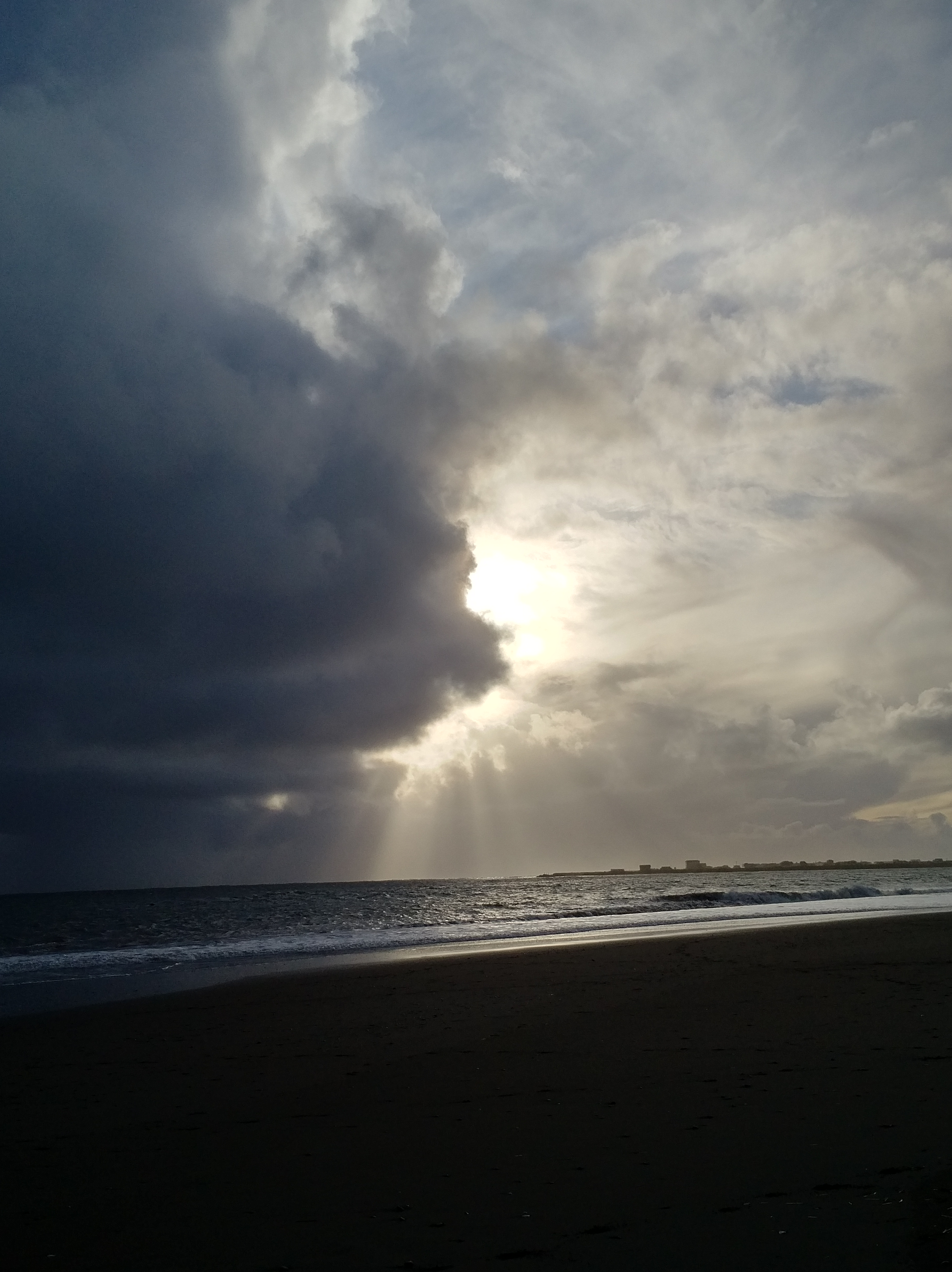
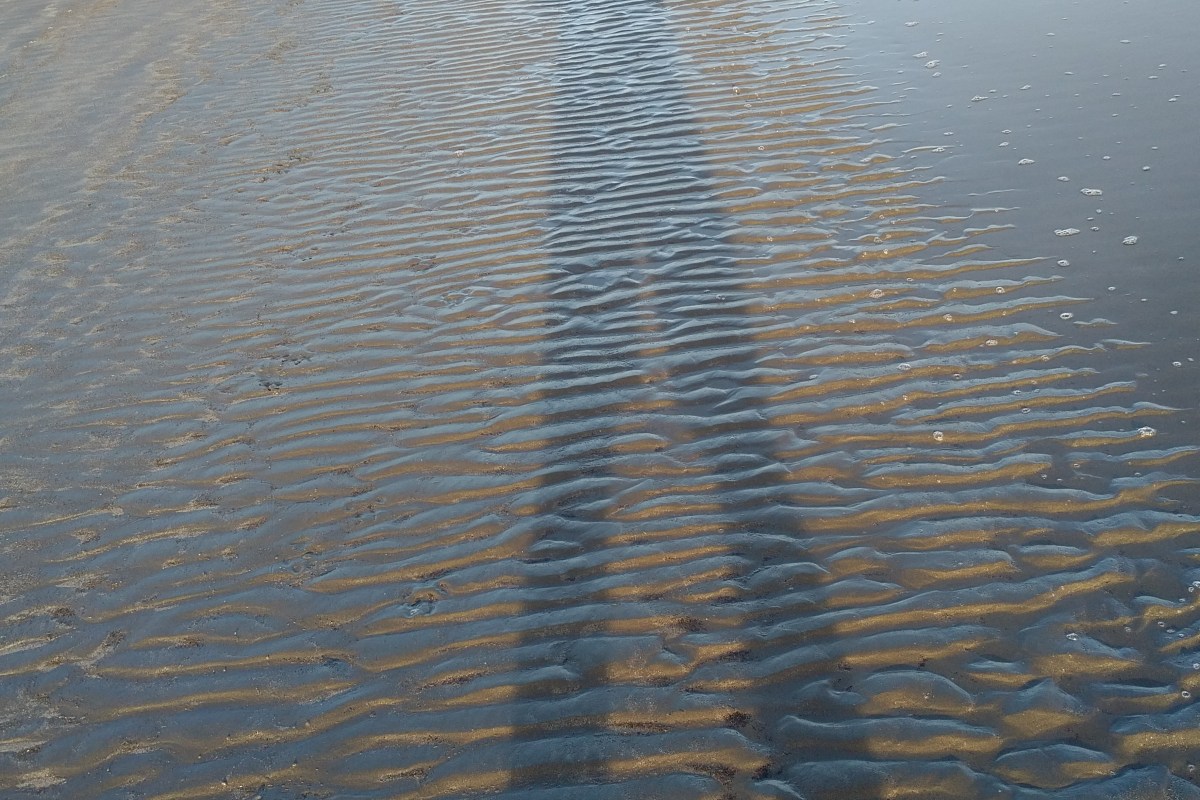
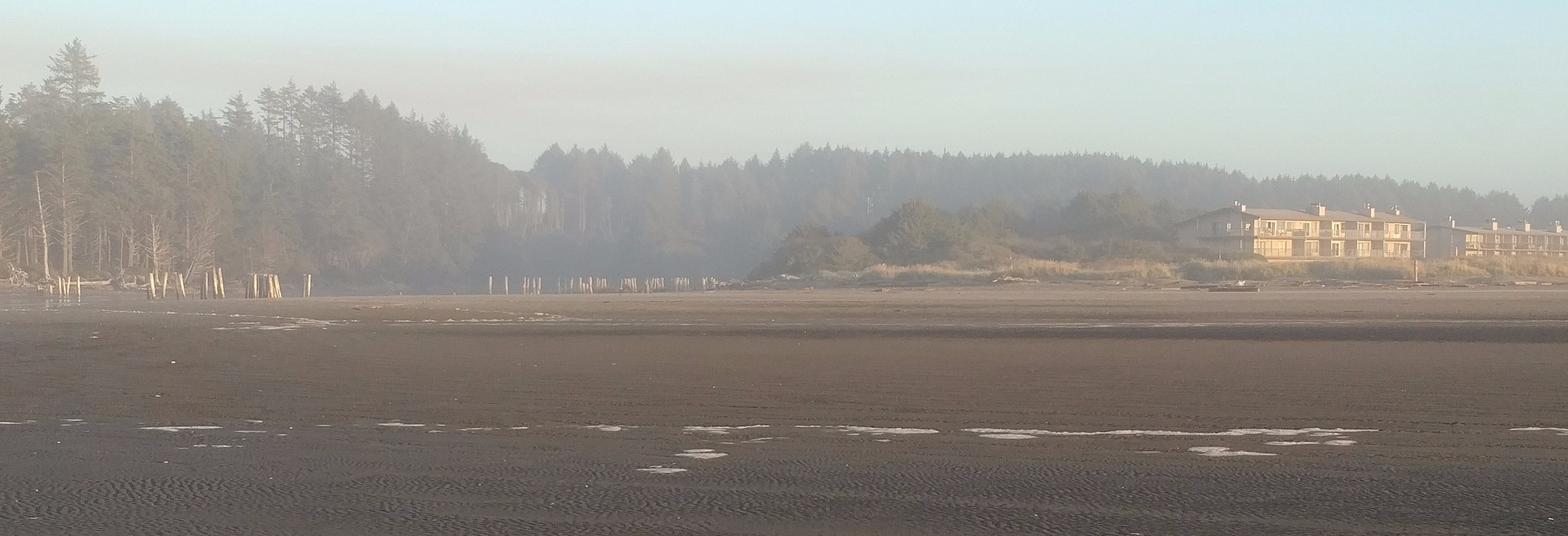
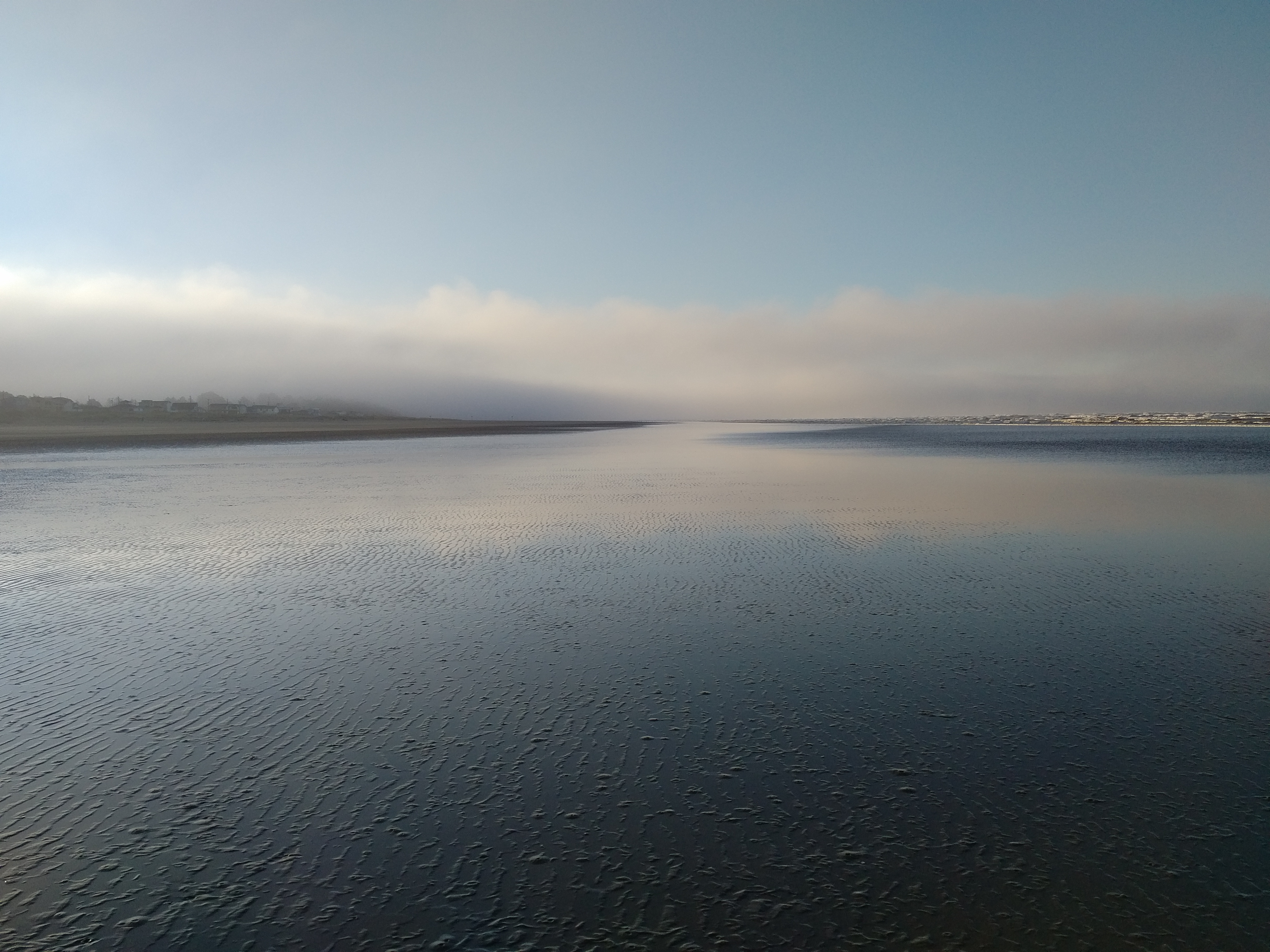
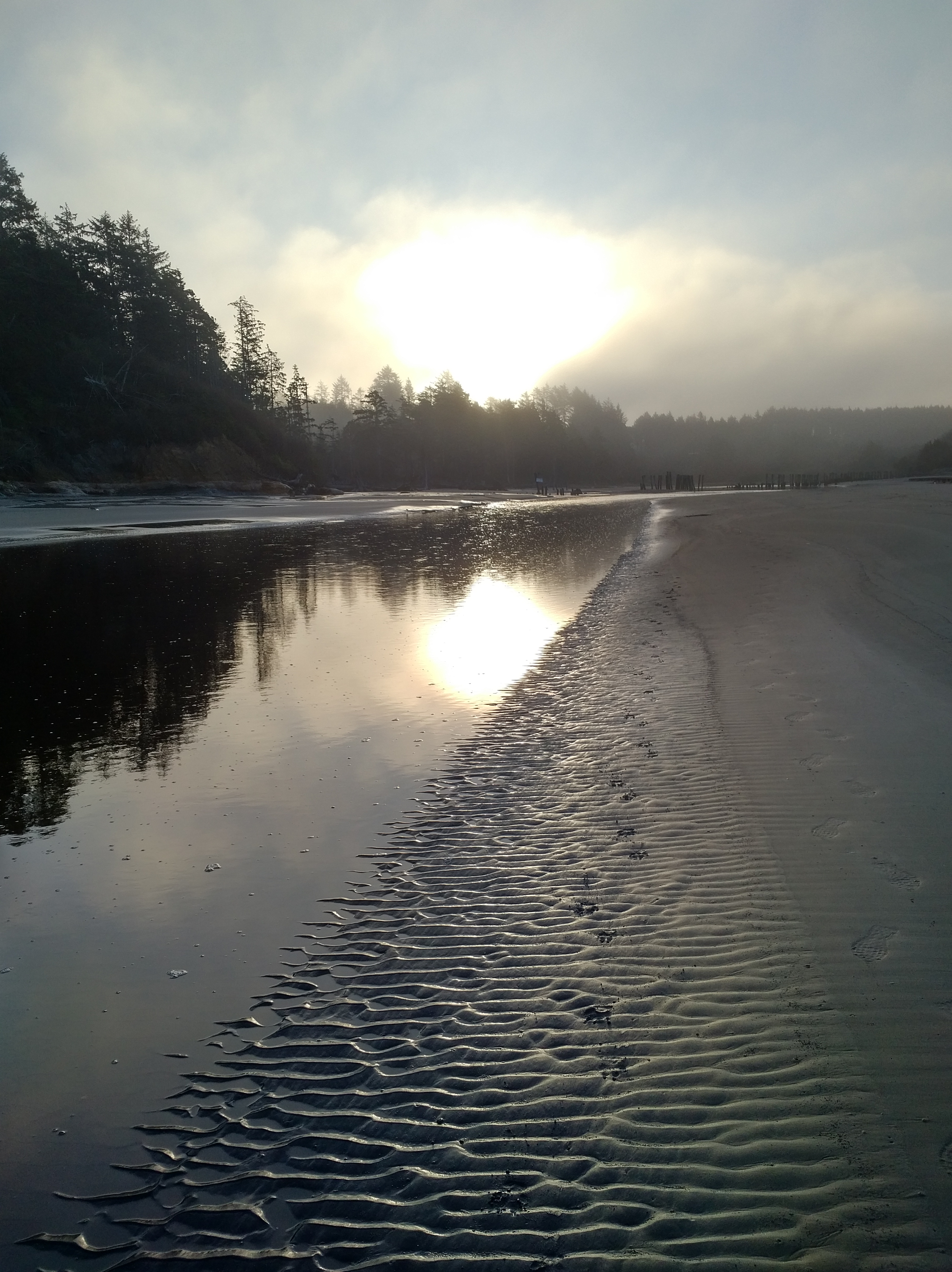
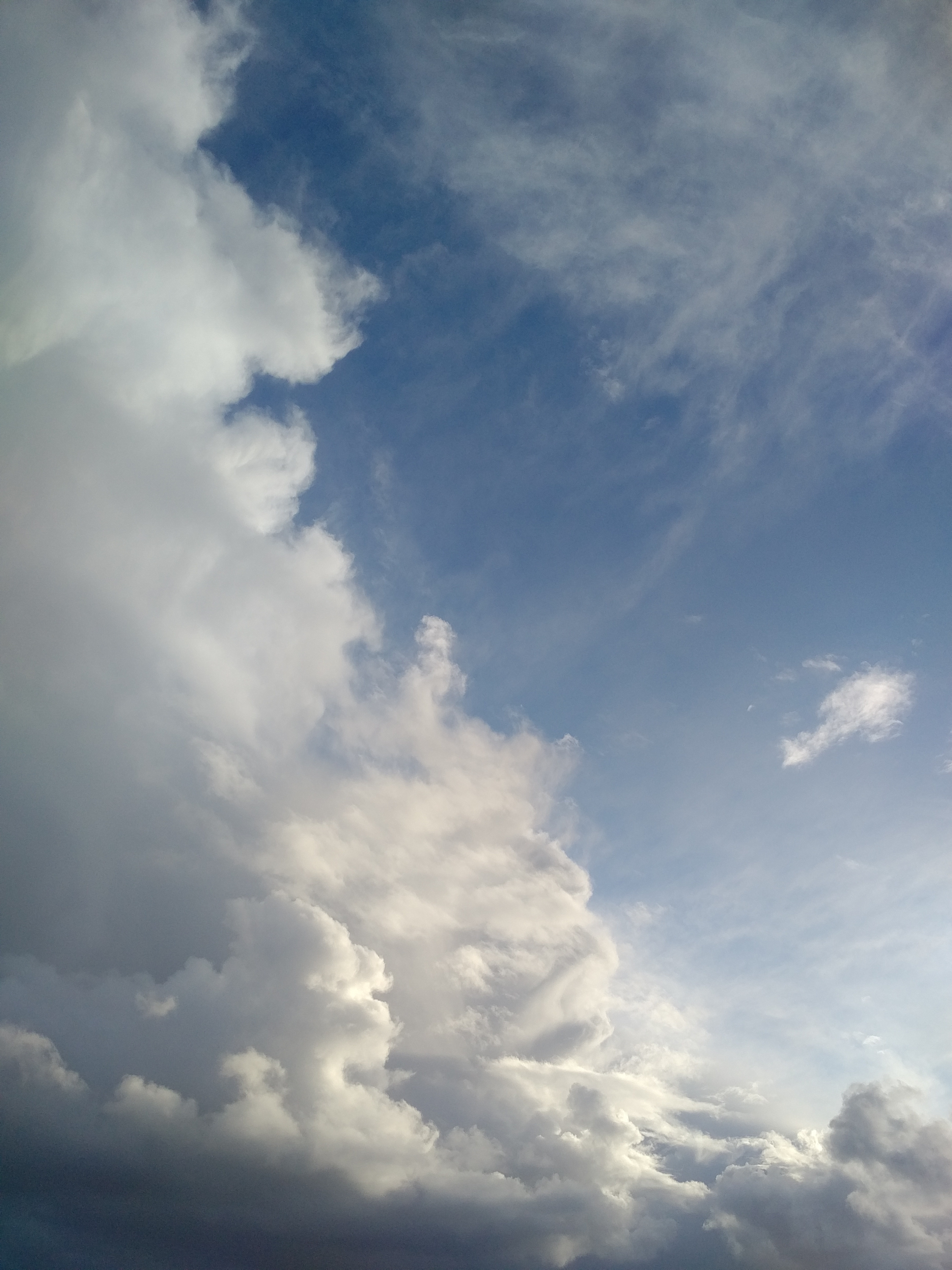
Reflected landscape from a quiet wall in the heart and vascular waiting room. Thursday, December 3, 2020.

In that silent room, I sat listening to my heart beat, feeling it steady and sure, before allowing the doctor to listen and watch with his scopes and machines to this organic metronome of life buried in my chest.

I Can Hear Your Heartbeat – Chris Rea, the Water Sign album

In the silence of the side street
In the whisper of the night
From the darkness of the empty hours
To the early morning light
From the hustle down on Main Street
With all its lights so bright
To the trucker on the highway
Pressing through the night

I can hear your heartbeat

A Ferry Tale

Photo by S.W. Cosgrove

For 25 years, I lived on an island 7.73 nautical miles from downtown Seattle, a 35-minute ferry ride.

I loved the ferry.  I hated the ferry.

I drank coffee on the ferry.  I drank wine on the ferry.

I took the ferry to work, to concerts, to restaurants, to clubs, to stores, to hospitals – and back.

People were born on the ferry.  People died on the ferry.  People committed suicide on the ferry.

I laughed on the ferry.  I cried on the ferry.

I socialized on the ferry.  I socially isolated on the ferry.

When I could not bear to converse with others, I put in my ear pods and walked the top deck, listening to music.  Ahmad Jamal. Dave Brubeck. Tchaikovsky. Puccini. Butterfield Blues Band. The Rolling Stones.

I heard about 9/11 on the ferry.  I heard about the Oklahoma federal center bombing on the ferry. 

I miss the ferry.  I never want to ride the ferry again. Except on nights like these.

The Midnight Ferry from Almeria to Melilla Revisited

It was a dark and stormy night.  Really.

Theresa, me, and my trusty Irish Setter, Erin, were booked on the midnight ferry crossing from Almeria, Spain, to the port of Melilla, a Spanish enclave in North Africa. It would be an overnight crossing through the turbulent Alboran Sea, which is the westernmost portion of the Mediterranean Sea, lying between the Iberian Peninsula and North Africa. The Strait of Gibraltar is at the west end of the Alboran Sea, connecting the Mediterranean with the Atlantic Ocean, near where Columbus left from Palos de la Frontera.

Our journey that night was in a tempest, with the roiling seas tossing the ferry up and down like a toy. Most everyone aboard was sick. Those who could went to the toilets to vomit or went outside and heaved over the side of the ferry. The rest sat in their seats in the passenger area as the vomitus rolled back and forth in the isles as the ferry went up and over the waves.

It was pitch black and the rain was driving sideways. I knew that if I was going to get through this, I needed some booze and some food. Theresa was making her way back and forth from the passenger room to the toilets. Erin was in the car on the deck below, hunkered down. I went up to the bar and spent the early hours drinking Brandy de Jerez with a bunch of Spanish soldiers and eating sausage and ham sandwiches. My stomach and its contents remained in equilibrium. Most people stop eating when they start to get seasick – big mistake. Keep eating and drink alcohol, a tip from the bartender on the Italian ocean liner SS Michelangelo that we’d taken from New York City to Cannes, France, just a couple months before. It works. Listen to your bartender.

With the break of day, I was on the deck with a cup of black coffee watching the port of Melilla, in Mother Africa, emerge from the marine fog. The sea had calmed. We went down to the car to prepare to debark. That’s when I discovered I’d forgotten to pull the parking brake, so my 1957 Citroen 2CV had been bouncing all night between the ferry wall and a new Peugeot 504 in back of me, smashing my tail lights and the grill of the new car. The owner of the Peugeot was already there inspecting the damage. He was irritated, but pleasant. He was an economics professor at the University of Algiers in Algeria, and he said that something like this happened almost every time he took that ferry. We ended up on friendly terms, and he gave me his address in Algiers along with an invitation to visit and stay with his family. That’s North African hospitality, which I found everywhere we were to travel.

The damage was covered by insurance, so when we drove off the ferry, we picked up a representative of the ferry who had waved us down at the off ramp, and he directed us to a garage. Theresa’s face was white as a sheet. Erin was fine – but he really had to pee. I was still a bit numbed from the alcohol, but started to come around with a cup of North African coffee – the consistency of suggery mud – and a very sweet pastry. We got the cars fixed quickly – a little more than an hour. Turns out the ferry “representative” was not really a ferry employee but a free-lancer who now wanted money for “assisting” us. I told him I was a student and broke – the truth. He started to make a scene, but I was already in the car so I sped off, with him chasing me, cursing, I’d imagine, if I could have understood what he was saying.

Trouble was, we couldn’t figure out how to get out of town and on the road to Tangier, our initial destination. There was basically only one road to Tangier, so if we could find that we’d be fine. But Melilla was a labyrinth of ancient streets and alleys. Unlike most of Europe, there were no signs pointing the way in or out. In short, we didn’t know where we were or how to get where we wanted to go. We hadn’t bought a map in Spain because we thought we’d get one when we arrived on the African continent. But there were none to be found. Apparently, everyone knew where they were going. So we asked a policeman who was directing traffic in one of the squares for directions out of town. He had no idea, but he suggested going to the bus station. A very friendly fellow, he happily left his traffic post and walked us to the bus station nearby. Busses leave for Tangier every day, so his thinking went, so they must know how to get out of town.  OK.

That worked. A bus was leaving soon and we followed it to the border checkpoint leading out of the Spanish autonomous city of Melilla into Morocco. Now we were truly in Africa. The Rif Mountains lay ahead, the adventure had just begun, and it wasn’t yet noon. We hadn’t even had lunch.  Theresa said she wasn’t really very hungry.

Next stop: Al Hoceima, a Moroccan coastal town on the edge of the Rif Mountains. Whitewashed walls, intricate mosaics, and haunting music surrounded me that first evening in Morocco as I walked the streets with Erin. The next morning, a stranger bought us coffee and handed me a “gift” that I found later was a small brick of zero zero hashish. On the way out of town, Moroccan state police – called The Black Angels – dressed in black leather with black BMW motorcycles and machine guns, had set up an impromptu checkpoint with tire piercing spikes across the roadway. There’d been an attempt on the king’s life earlier, and they were checking every single vehicle. With a French registered car and United States passports, we seemed to perplex them a bit. But they were satisfied that we weren’t assassins and waved us through.

We were looking for a new, completely different experience, and we’d found it!  Had we ever.  The next stop before Tangier: Tétouan.  But that’s another story.

Travel note: I was somewhat surprised that Melilla was an autonomous Spanish city on Spanish territory, as is Ceuta, another Spanish enclave in Africa. Their history, like so many other North African coastal cities, dates back thousands of years.  The port we arrived at on the African continent, Melilla, has been part of the history of the Phoenicians, Romans, Vandals, Byzantines, Visigoths, Kingdom of Fez, and now the Spanish. Both Ceuta and Melilla have been under Spanish control since the 15th century.

Republishing my original blog:

https://swcosgrove.com/2017/03/10/the-midnight-ferry-from-almeria-to-melilla/

Blue Beach

Photo by S.W. Cosgrove

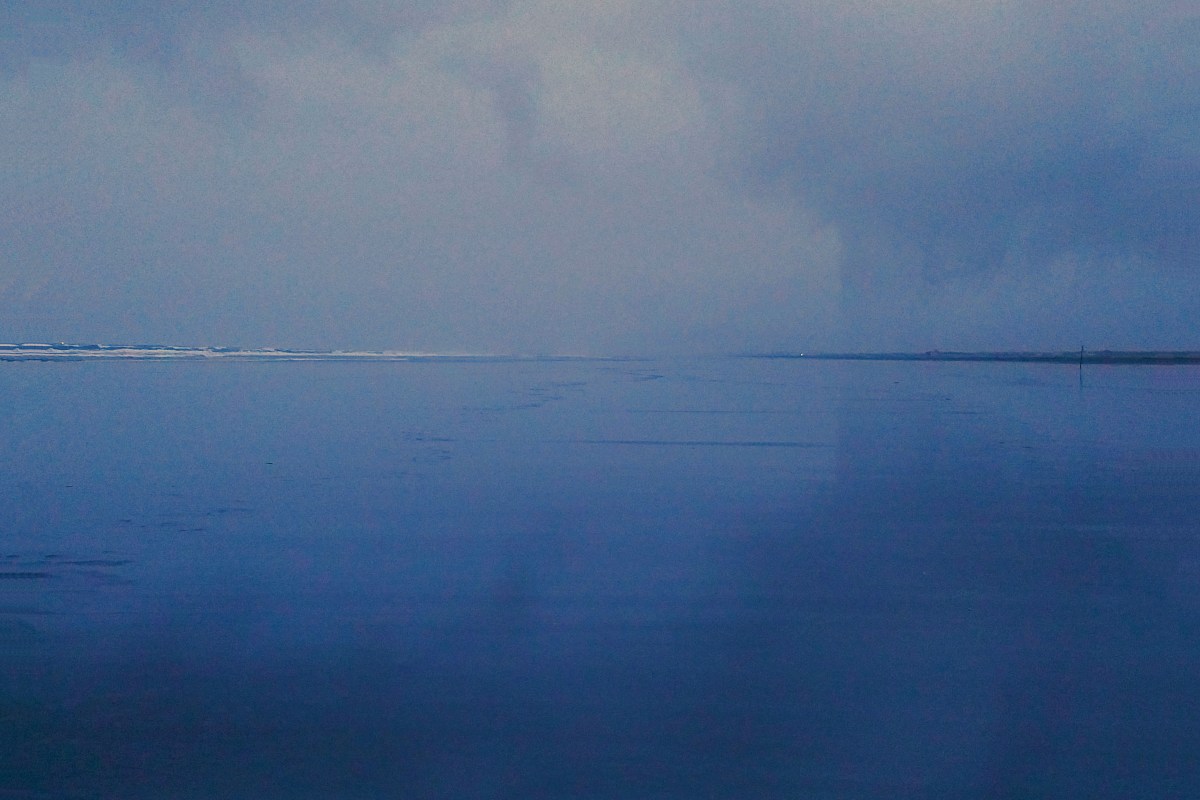
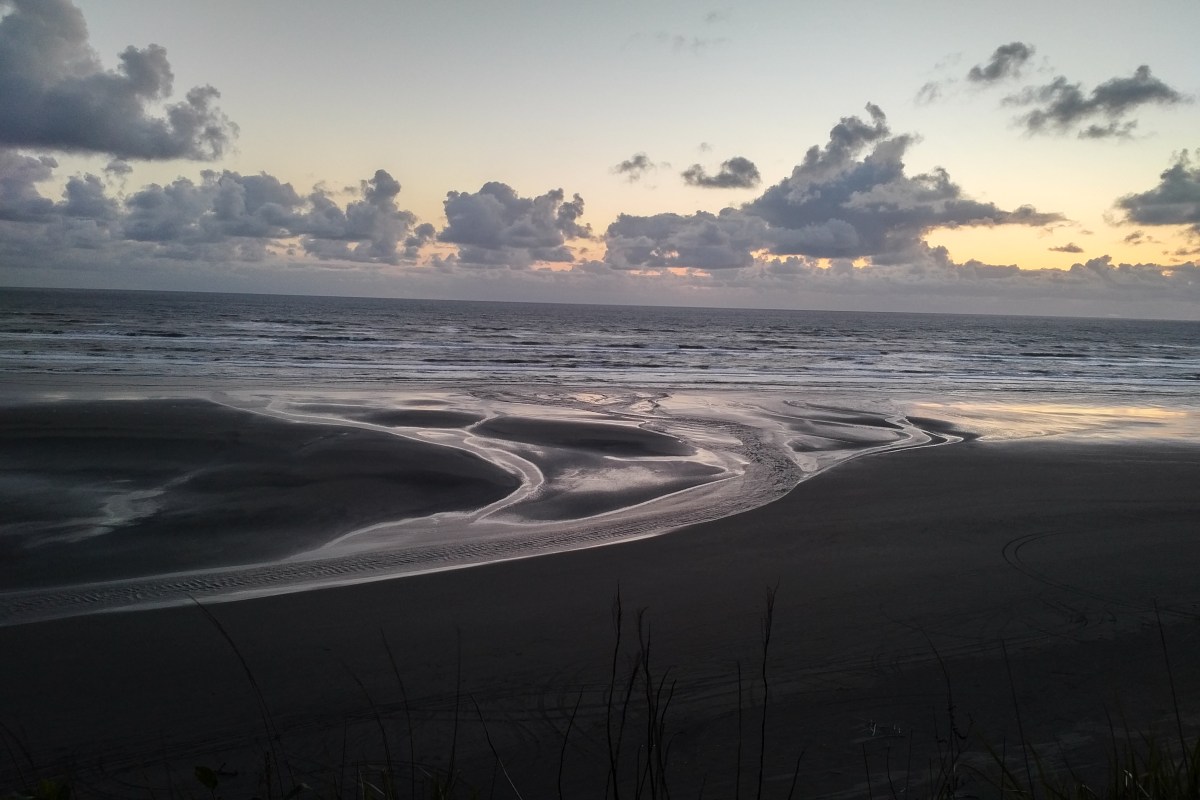
Early evening marine rain shower pushes in from the Pacific Ocean at Moclips Beach on the Washington coast.

“When anxious, uneasy and bad thoughts come, I go to the sea, and the sea drowns them out with its great wide sounds, cleanses me with its noise, and imposes a rhythm upon everything in me that is bewildered and confused.”
Rainer Maria Rilke

Safe Harbor

Photo by S.W. Cosgrove

My home port in Washington’s South Puget Sound – Gig Harbor.

In the shadow of the majestic Mt. Rainier.

Horse Power!

Photo by S.W. Cosgrove

Another action shot from the World Equestrian Festival at the CHIO Aachen, Germany.

Here’s a magnificent four-in-hand team in the Combined Driving Event, which tests the driver’s ability and the horses’ obedience, speed and athleticism in three stages – Dressage, Marathon and Cones.

This is the Marathon stage – very fast and exacting. CHIO Aachen competitors come from all over the world.

Full disclosure: I am a lifelong equestrian. I competed on the West Coast of the U.S. in single horse Combined Driving Events and Pleasure Driving for several years with my Morgan carriage horse, Gem, rest her soul. I’ve never had more fun!

Columbus

Photo by S.W. Cosgrove

Columbus

– Written by Noel Brazil
– Performed below by Mary Black

Better keep your distance from this whale
Better keep your boat from going astray
Find yourself a partner and treat them well
Try to give them shelter night and day
’cause here in this blue light
Far away from the fireside
Things can get twisted and crazy and crowded
You can’t even feel right

So you dream of Columbus
Ever time the panic starts
You dream of Columbus
With your maps and your beautiful charts
You dream of Columbus
With an ache in your travelling heart

See how the cormorant swoops and dives
Must be some thrill to go that deep
Down to the basement of this life
Down to where the mermaid gently sleeps
Not like here in this blue light
Far away from the fireside
Where things can get twisted and haunted and crowded
You can’t even feel alright

And as tide must ebb and flow
I am dragged down under
And I wait the livelong day
For an end to my hunger

So I dream of Columbus
Every time that the panic starts
I dream of Columbus
With my maps and my beautiful charts
I dream of Columbus
And there’s peace in a traveling heart
I dream of Columbus

Airborne at CHIO Aachen

Photo by S.W. Cosgrove

Airborne at CHIO Aachen, the World Equestrian Festival at the Imperial City of Aachen, Germany, where horses fly.

According to legend, Charlemagne’s horse discovered Aachen’s hot springs when pawing the ground with its hooves, which led to establishment of the Imperial Palace and City of Aachen at the site of an ancient Roman settlement. Charlemagne is buried at Aachen.

Opera has Bayreuth – equestrian sports have Aachen.

Victoria Harbour

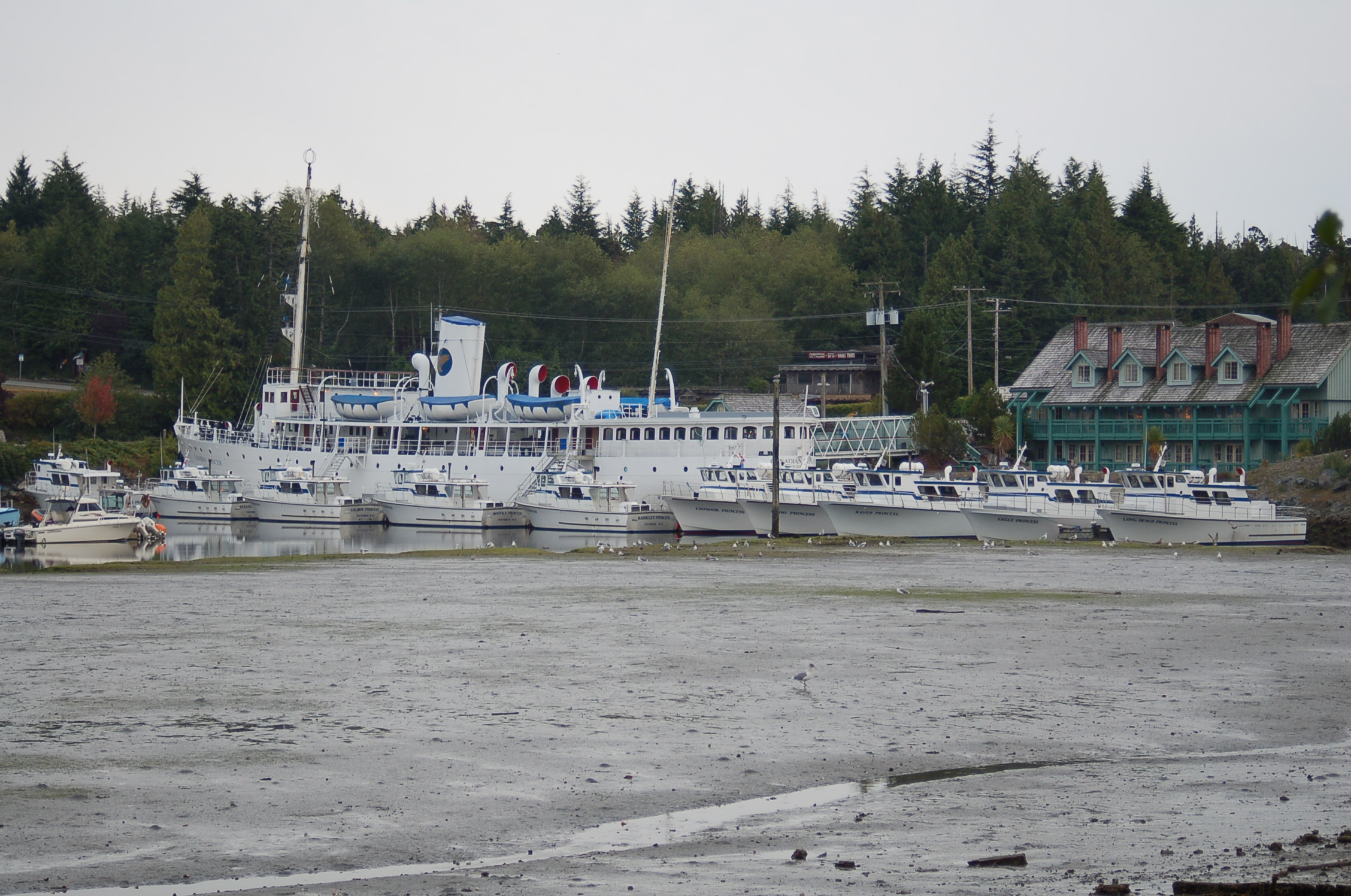
Victoria Harbour, Victoria, British Columbia, Canada.

Nearby, in the Strait of Juan de Fuca, the Orcas dive and surface, playing in the deep water.

No Pressure

“What are men to rocks and mountains?”
― Jane Austen, Pride and Prejudice 

Rock fissure, Keystone, Whidbey Island, USA

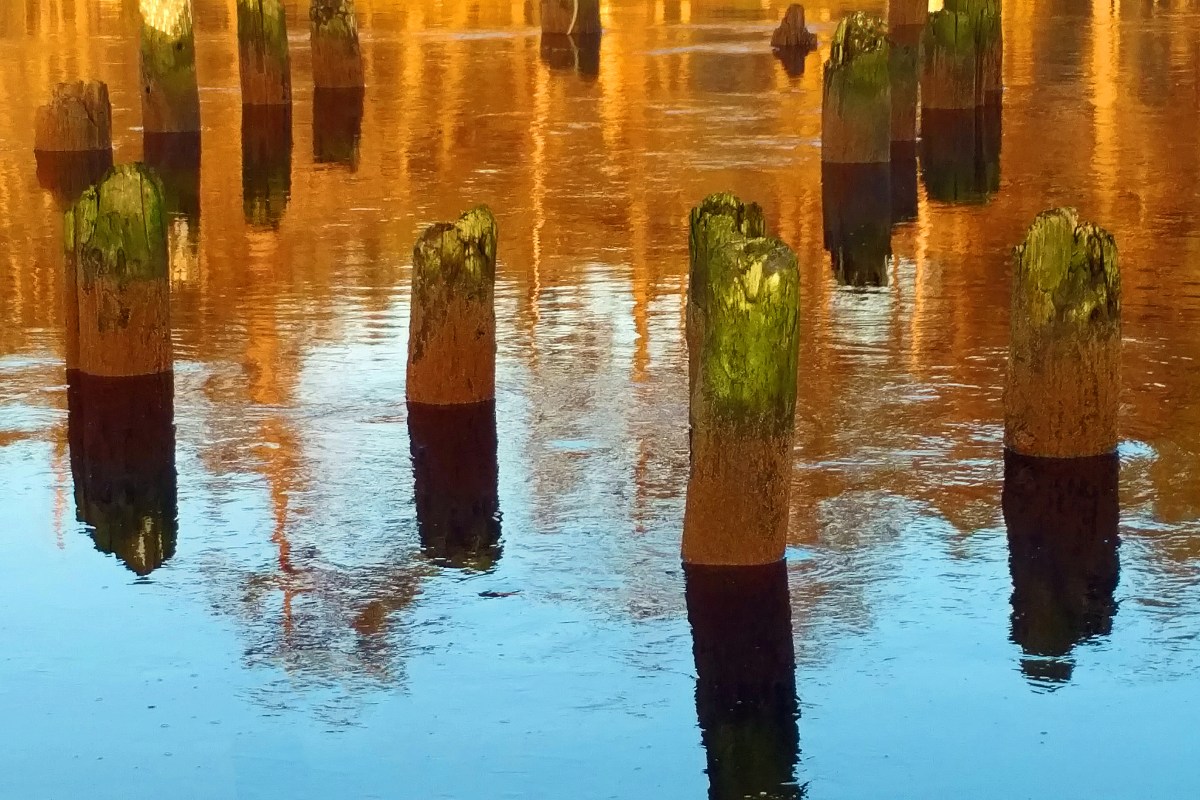
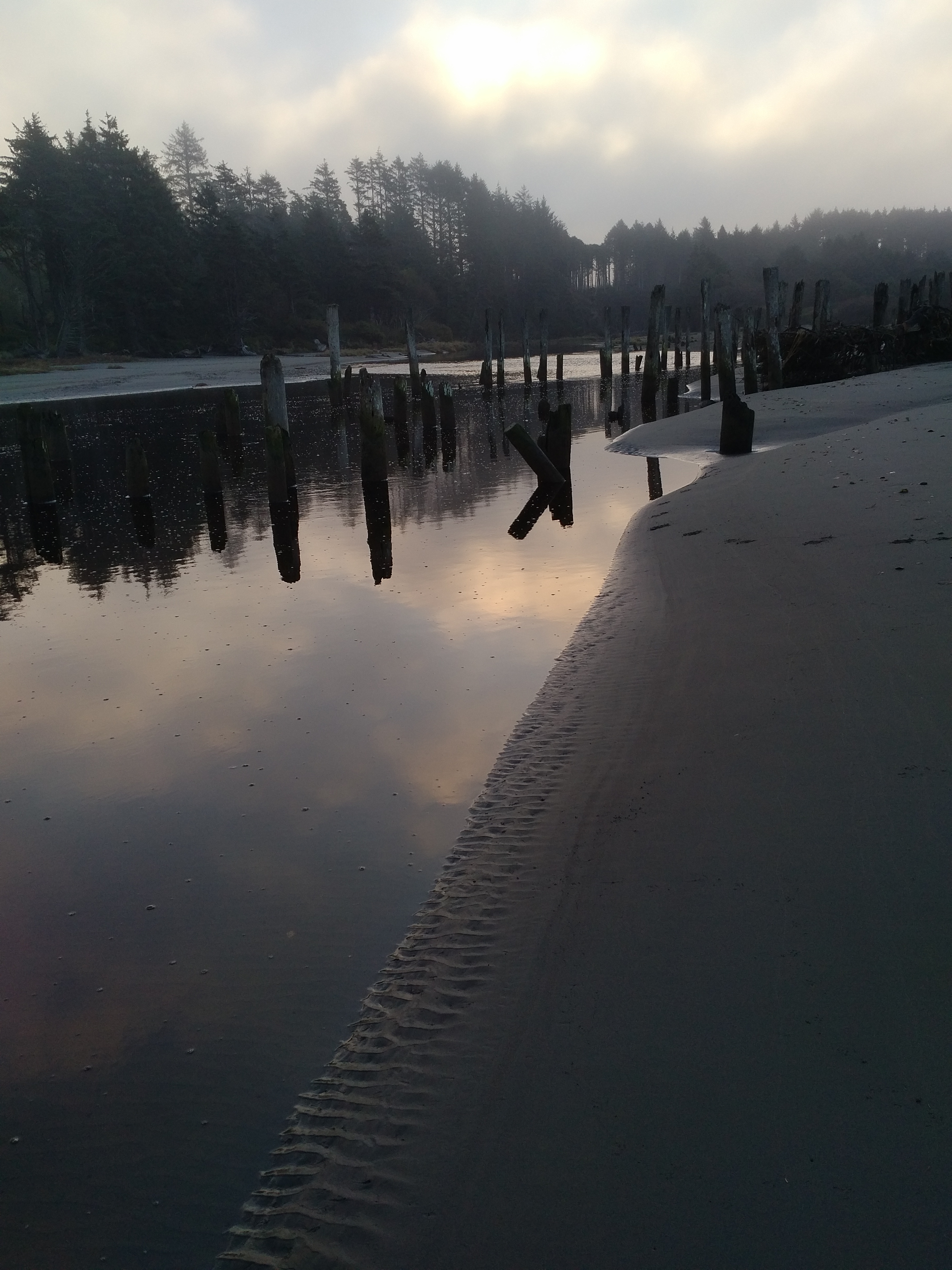
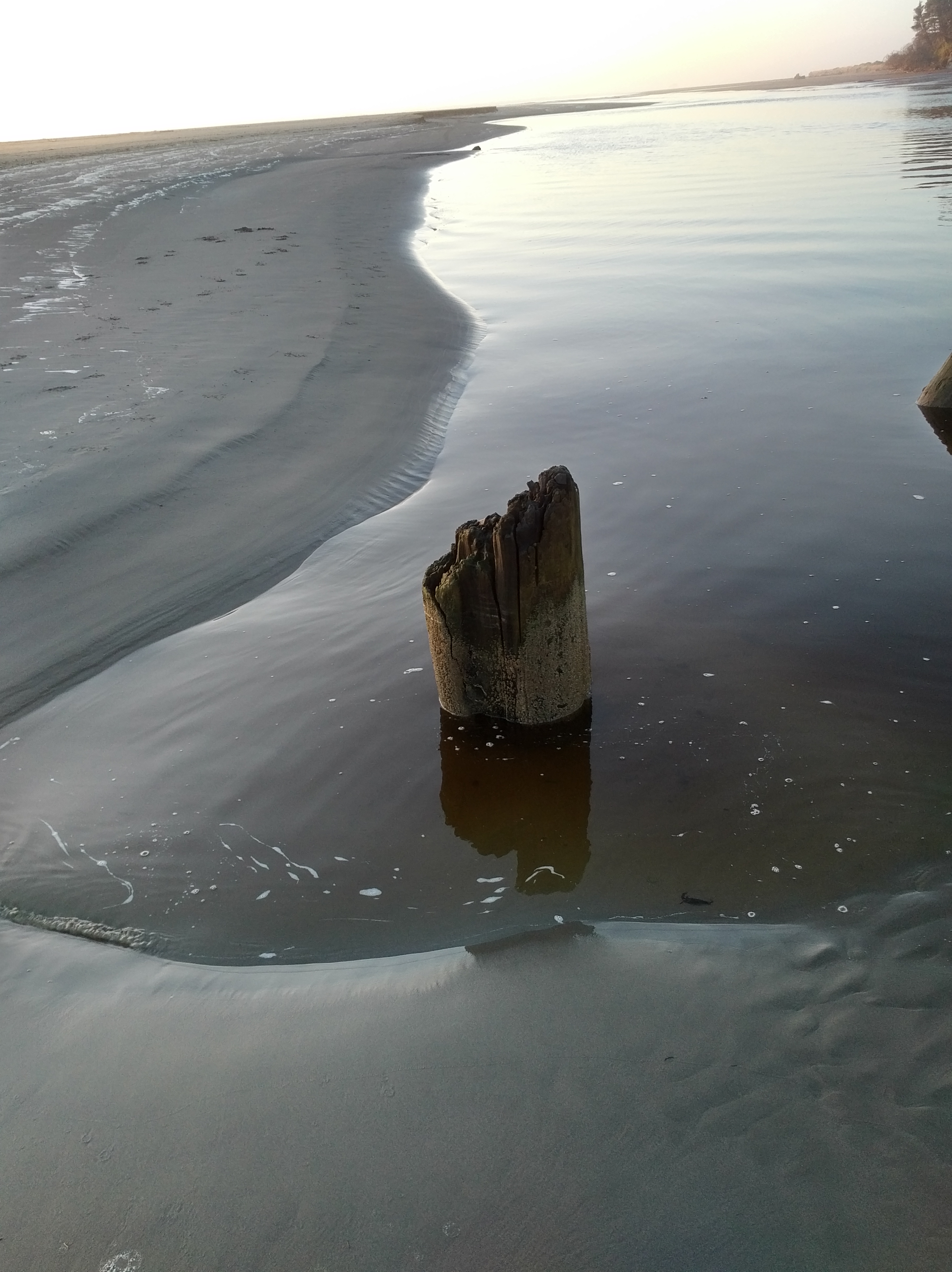
Trestles in the Moclips River, Washington

Over the bridge that once rested on these trestles, the first coastal train of the Northern Pacific Railway ran across the Moclips River in Washington State at the town of the same name.

In 1911 Moclips was struck by a series of fatal storms, eventually washing much of the town away. Fires then destroyed much of Moclips along the beach.

I go to this area every year to watch as the steelhead trout and salmon spawn in the wild running river.

Remembering Thomas Wolfe: You Can’t Go Home Again

This is a photo I took of a farm that was once a thriving dairy farm just down the road from our farm in Northwestern Wisconsin.  I worked in that barn helping milk a herd of 80 cows and putting up hay in the loft.  Some 30 years later I revisited and this was all that was left, side boards flapping in the wind.  Bankers closed on the farm for debt, and the family who’d owned it for generations moved to town and did what they could to get by.

Remembering Thomas Wolfe: You Can’t Go Home Again

By S.W. Cosgrove

Can you can go home again?
You can go to the place you once knew,
and it will be there
Just not as you remembered, not really

Prepare yourself with vague, misty memories of farms,
green hills, deep woods, and shimmering ponds, eagles soaring above
A big river pulsing over the rocks, under bridges, wandering through riverine sloughs
Catfish lying still on the bottom, unblinking, wary of the hook

The old river still runs deep, still carrying its waters to the sea far away
But the hills have been leveled and covered with subdivisions,
the woods cut and thinned with no eagle nests towering above
The ponds filled and blacktopped

Yes, you can go home again, but
it’s not your home, anymore
It’s home to others who may one day return there
looking for their old home
And it will be there, but not really

World Traveler

My Irish Setter Erin taking a break from our walk on the Arno River in Florence, Italy. Anno 1985. Erin was 15 years old. I got him when he was 8 weeks old.

In his lifetime, Erin traveled the United States, North Africa, Japan, and Europe. Not long after this photo, he would be on a plane with us to Japan, then back to Germany in 1986, where he died of old age at 17.

He’s buried in a Hun burial ground in the forest behind our house there north of Würzburg, Bavaria, Germany. 

More stories and photos with Erin, the world traveler:

Travels With Erin

North Africa Diary – Lost in the Medina  

Media Plage – Aussies Go Walkabout

How we came to live in North Africa at Mehdia Plage


Relaxing at our 2CV camp site in a sand dune overlooking the Atlantic Ocean just outside of Agadir, Morocco.beach Africa

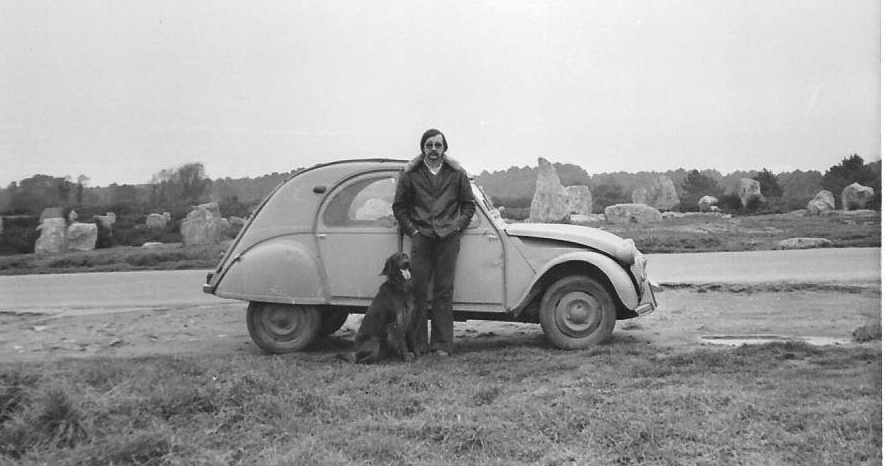
Visiting the stones at Carnac, Brittany, France.2cv-carnac.jpg

On the road, Costa del Sol, near Torremolinos, Spain.2CV theresa spain

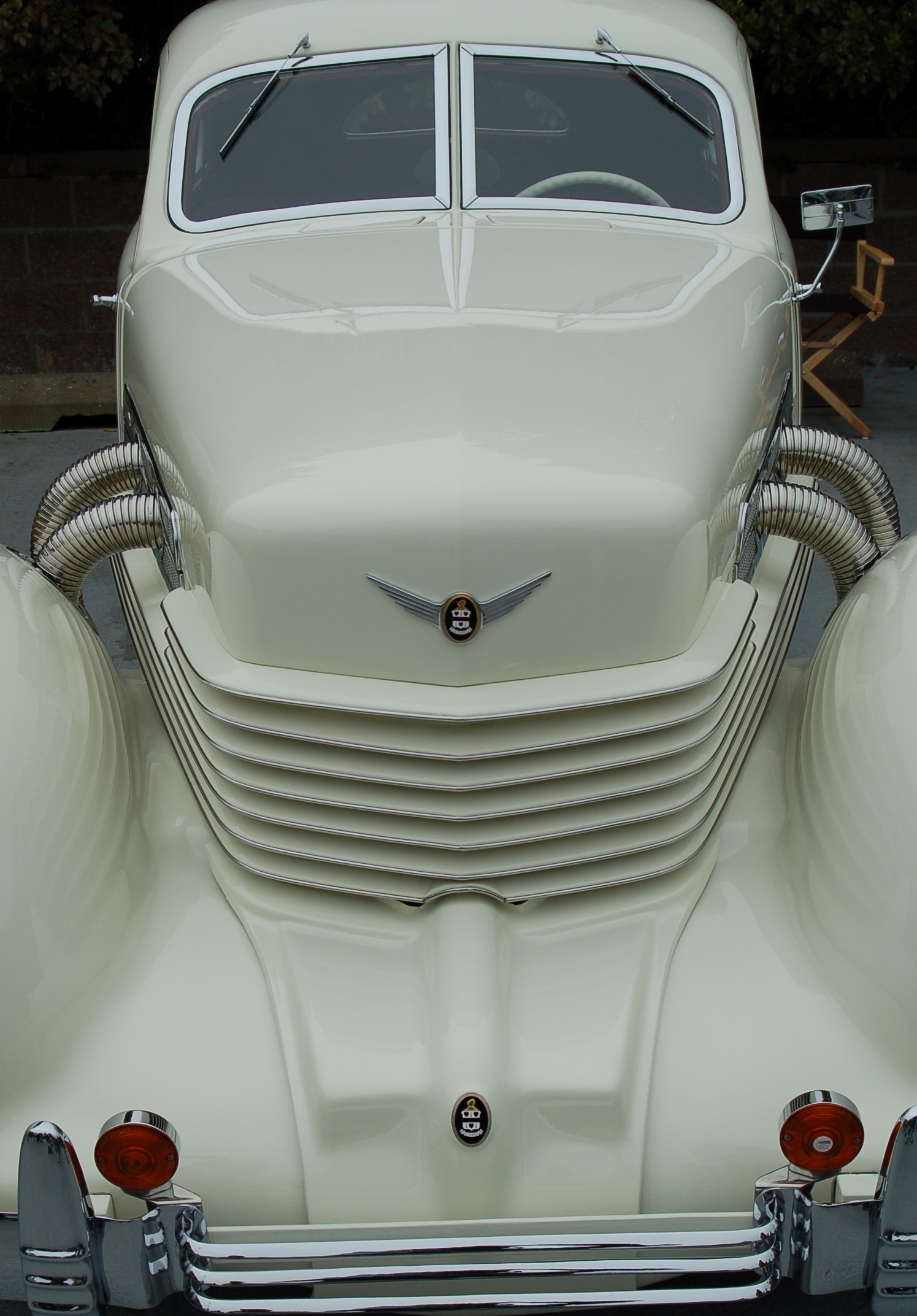
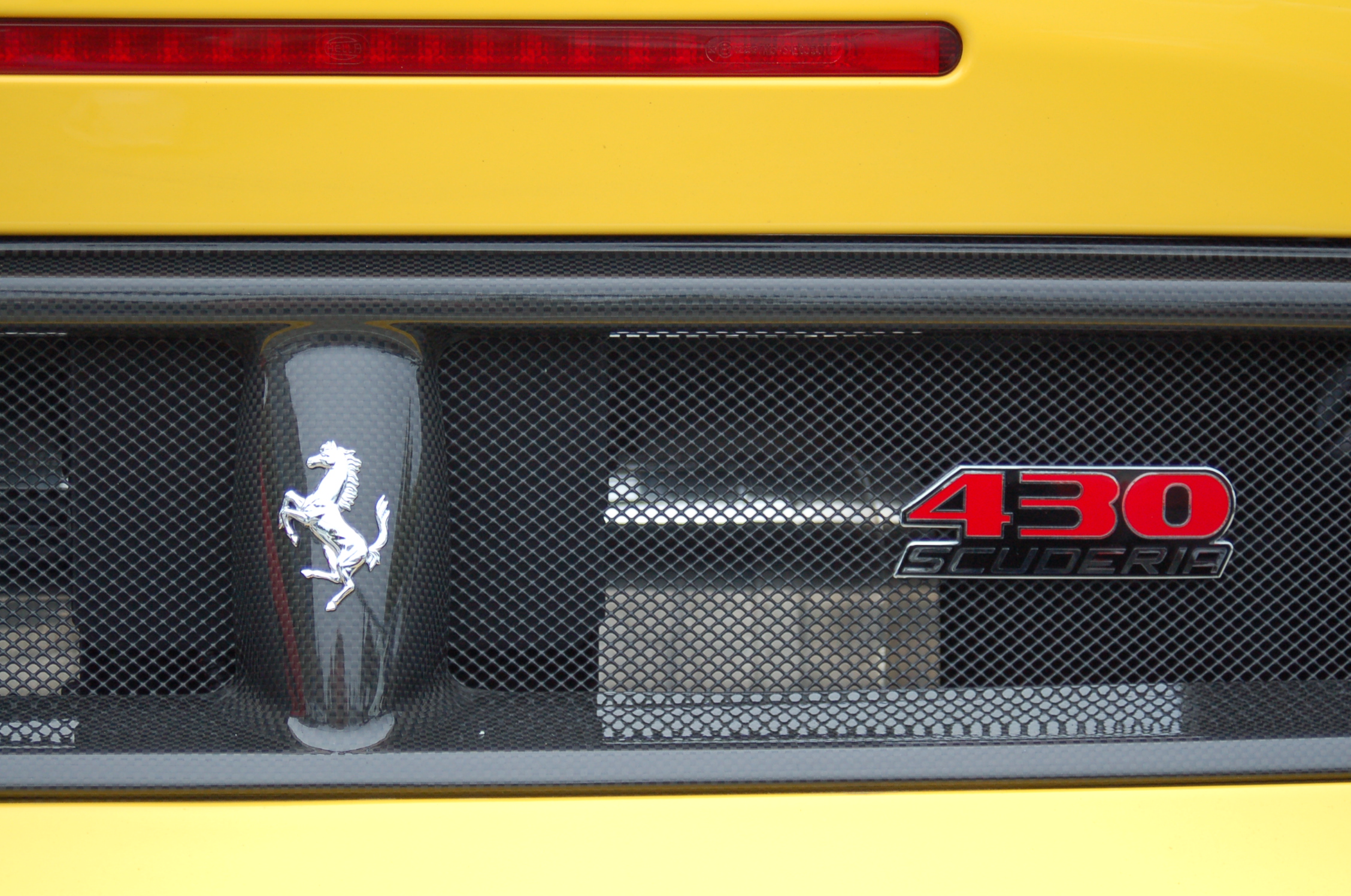
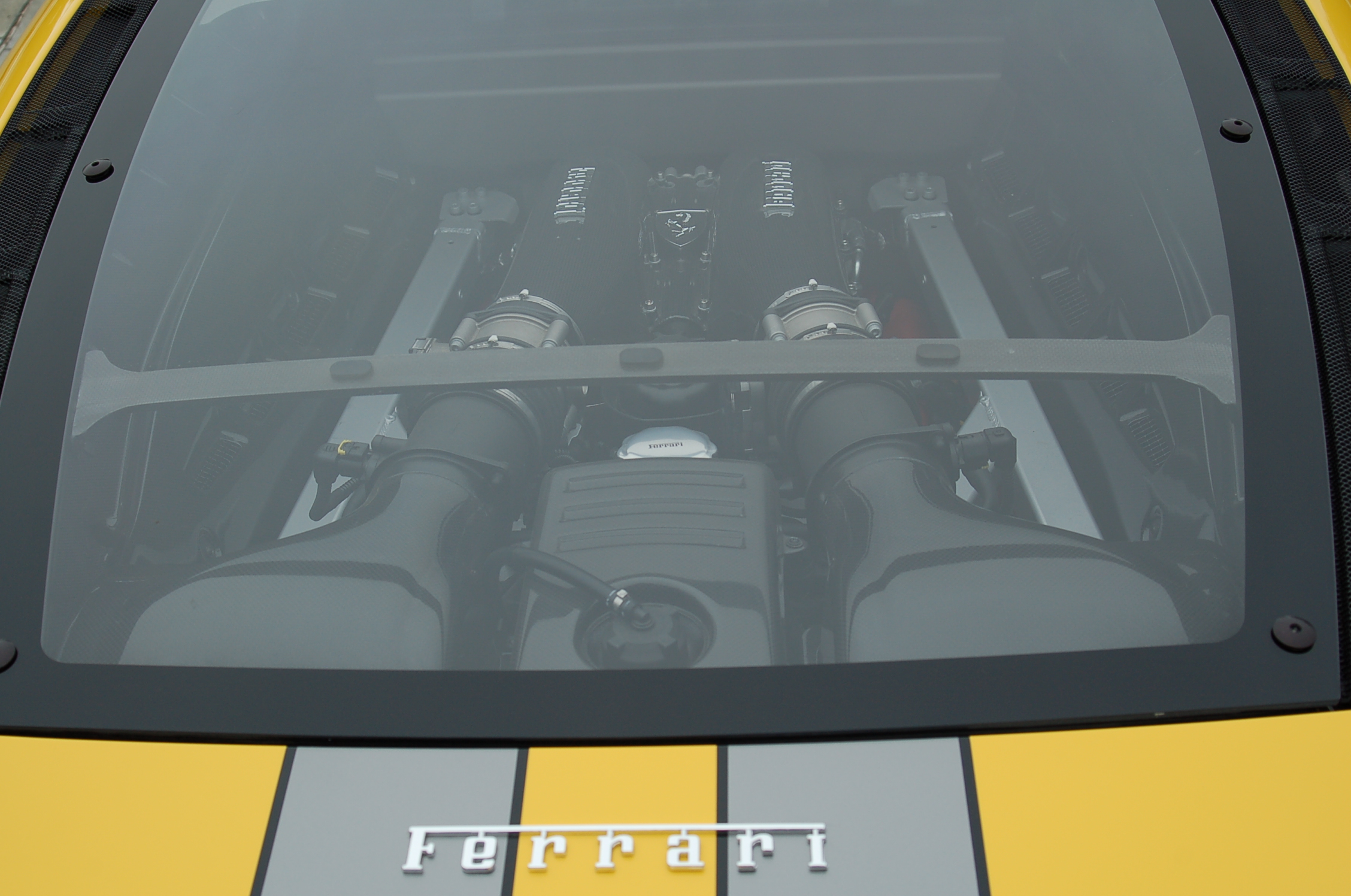
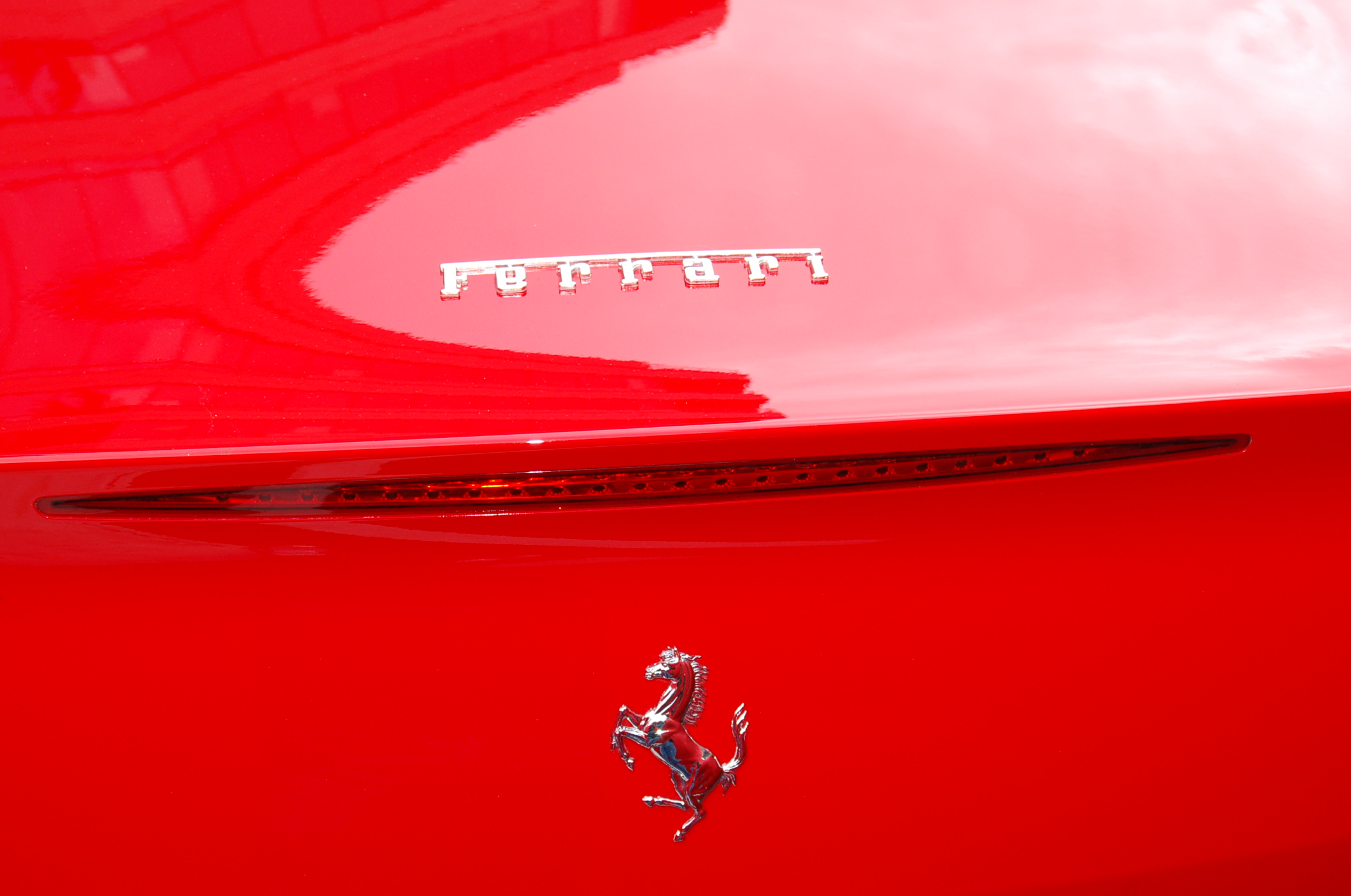
The Design is in the Details

2

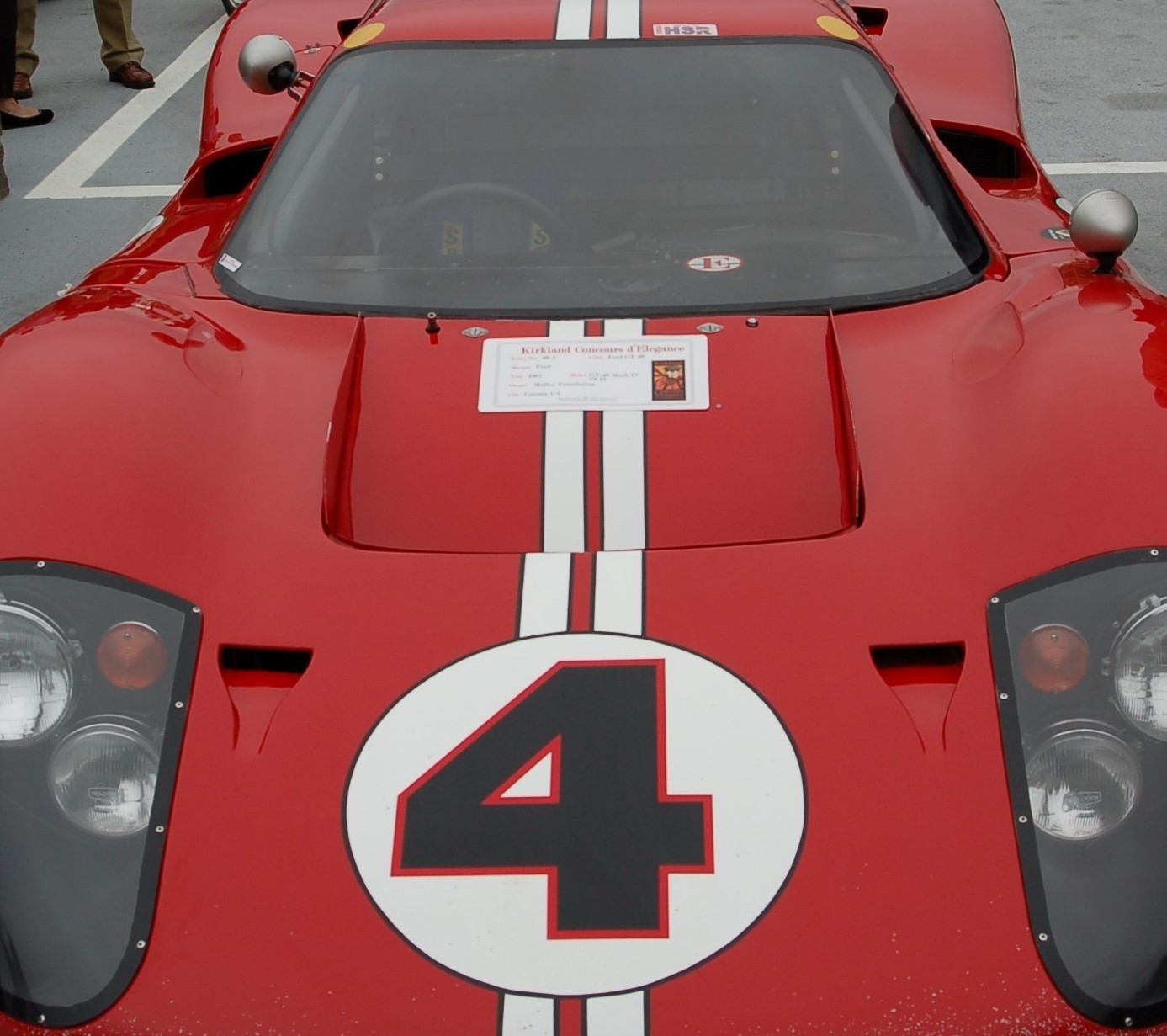
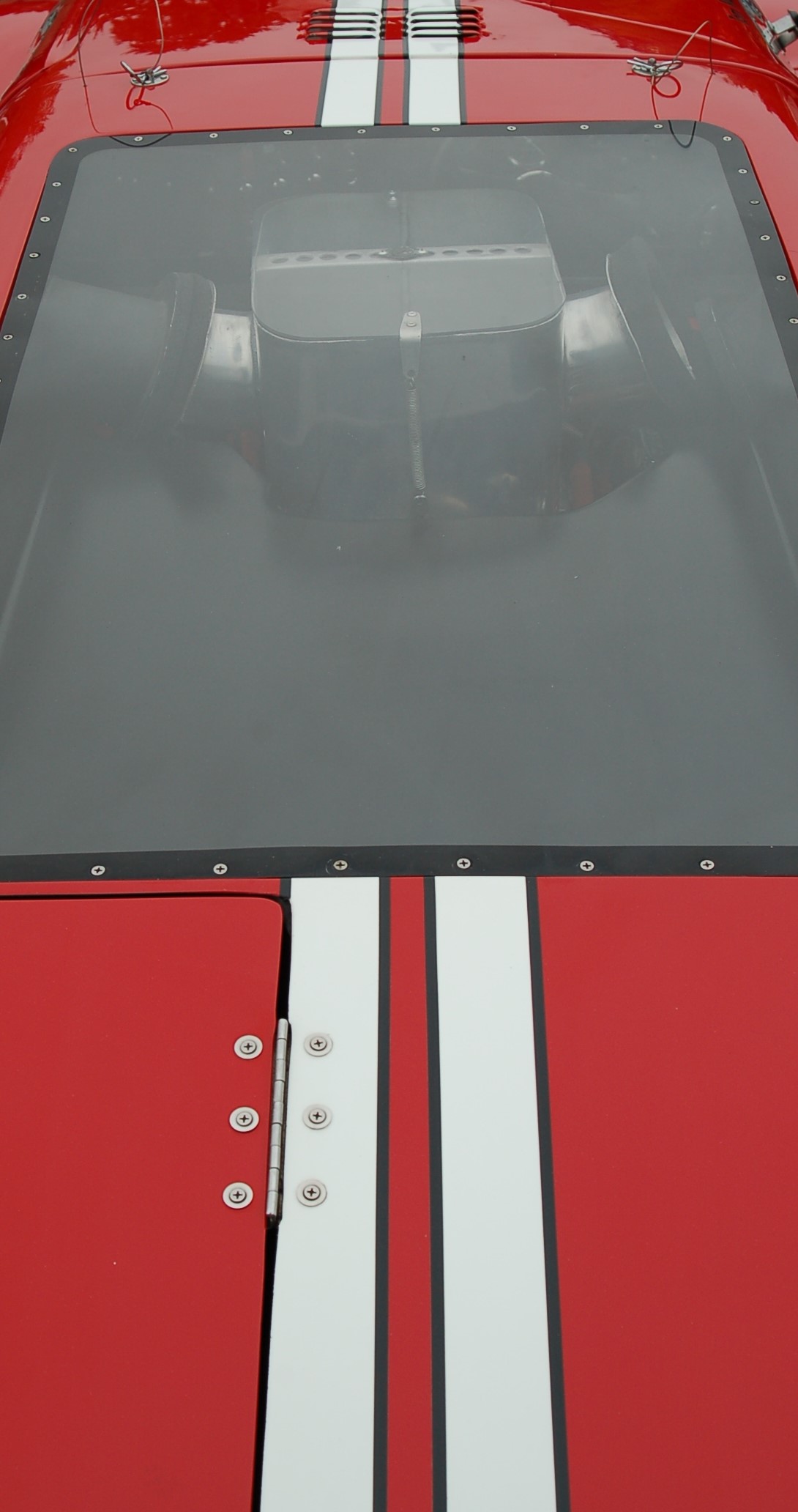
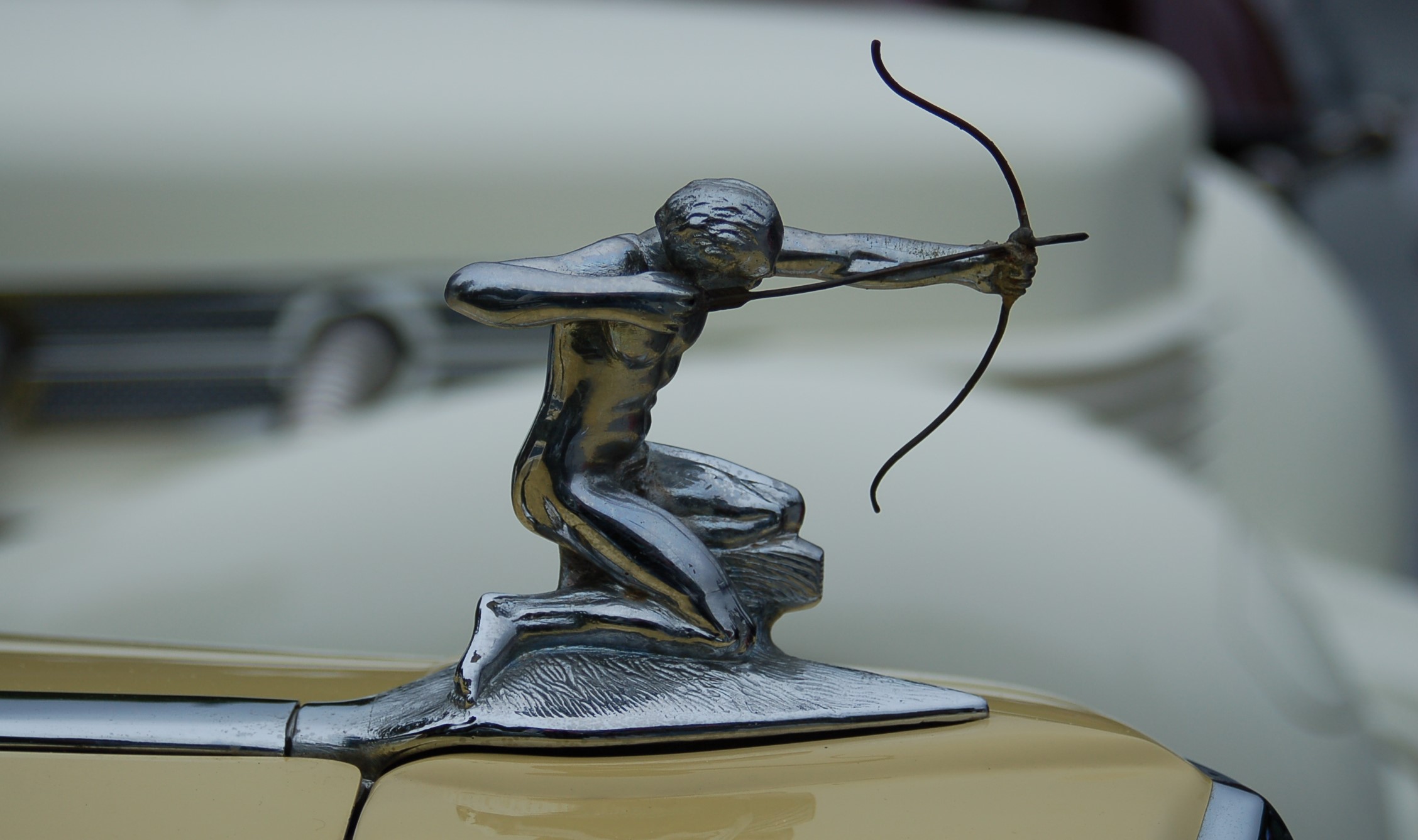
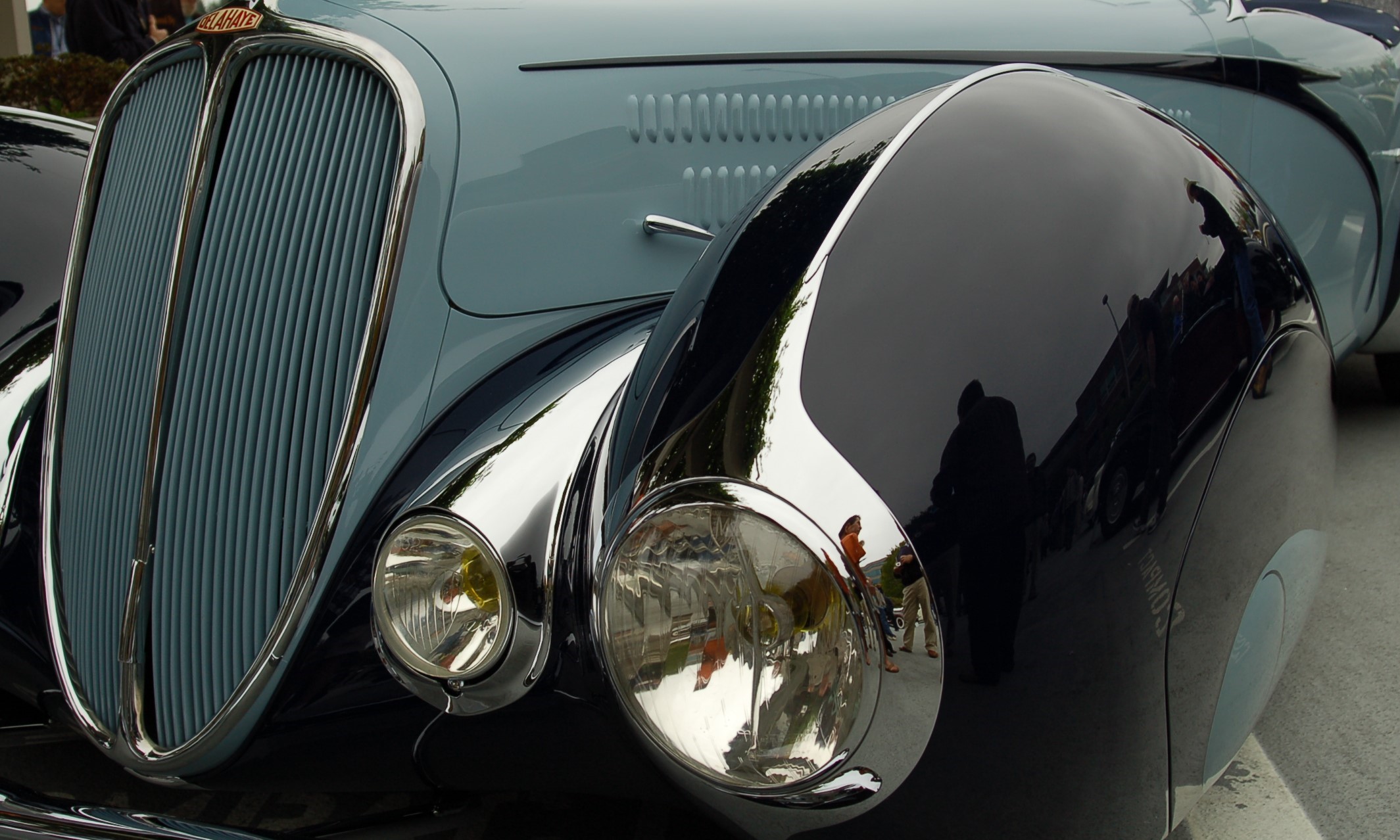
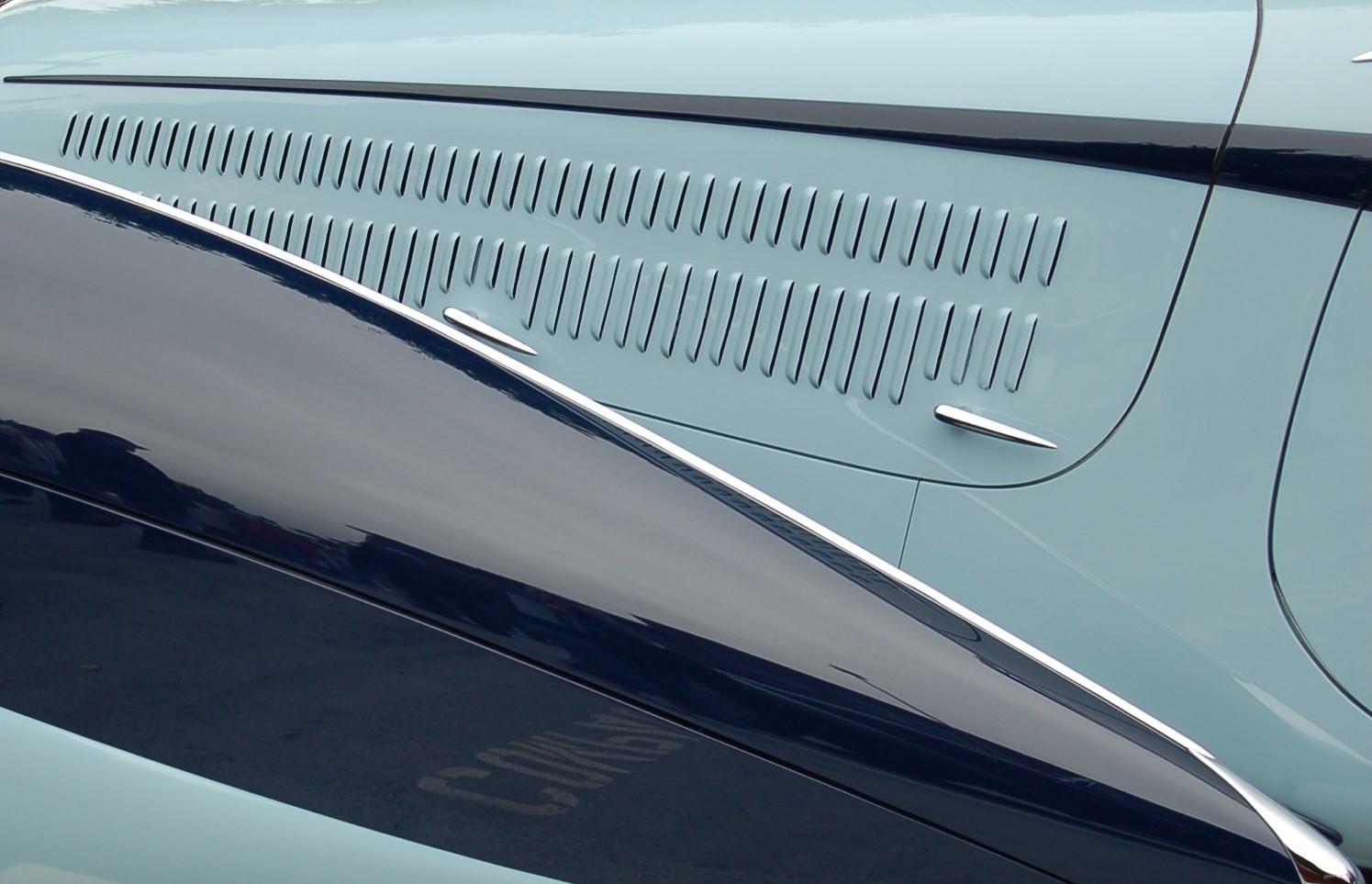
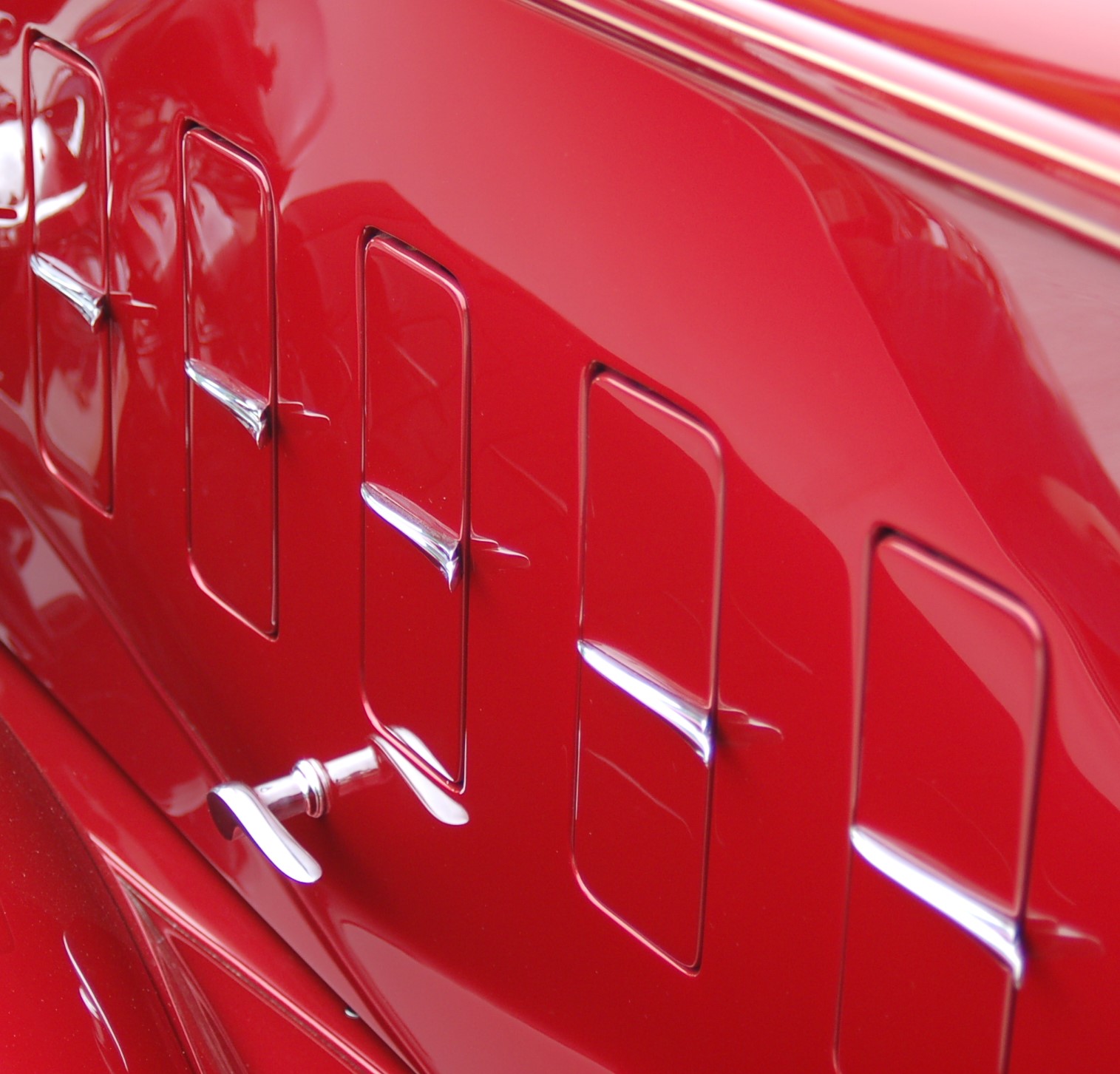
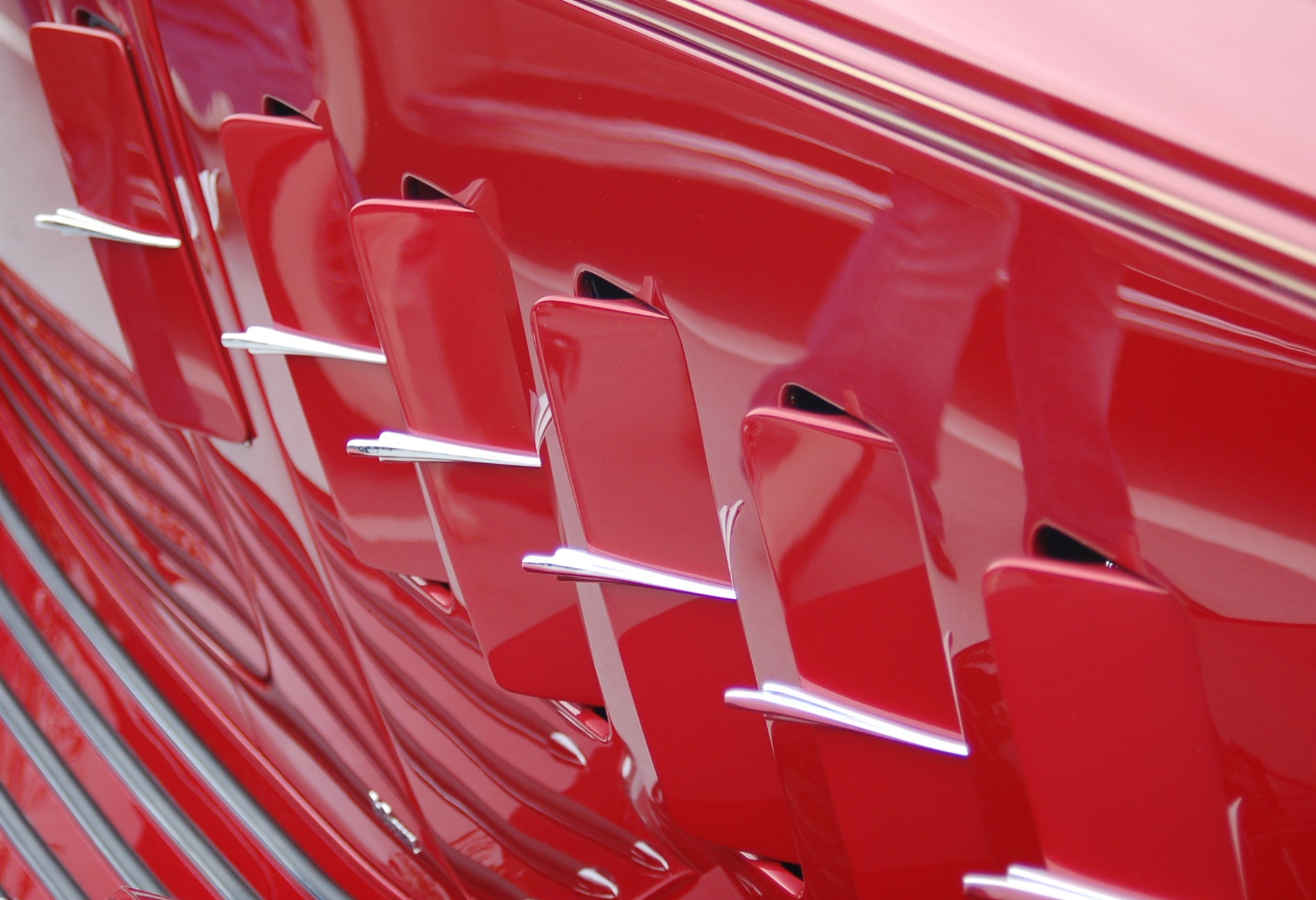
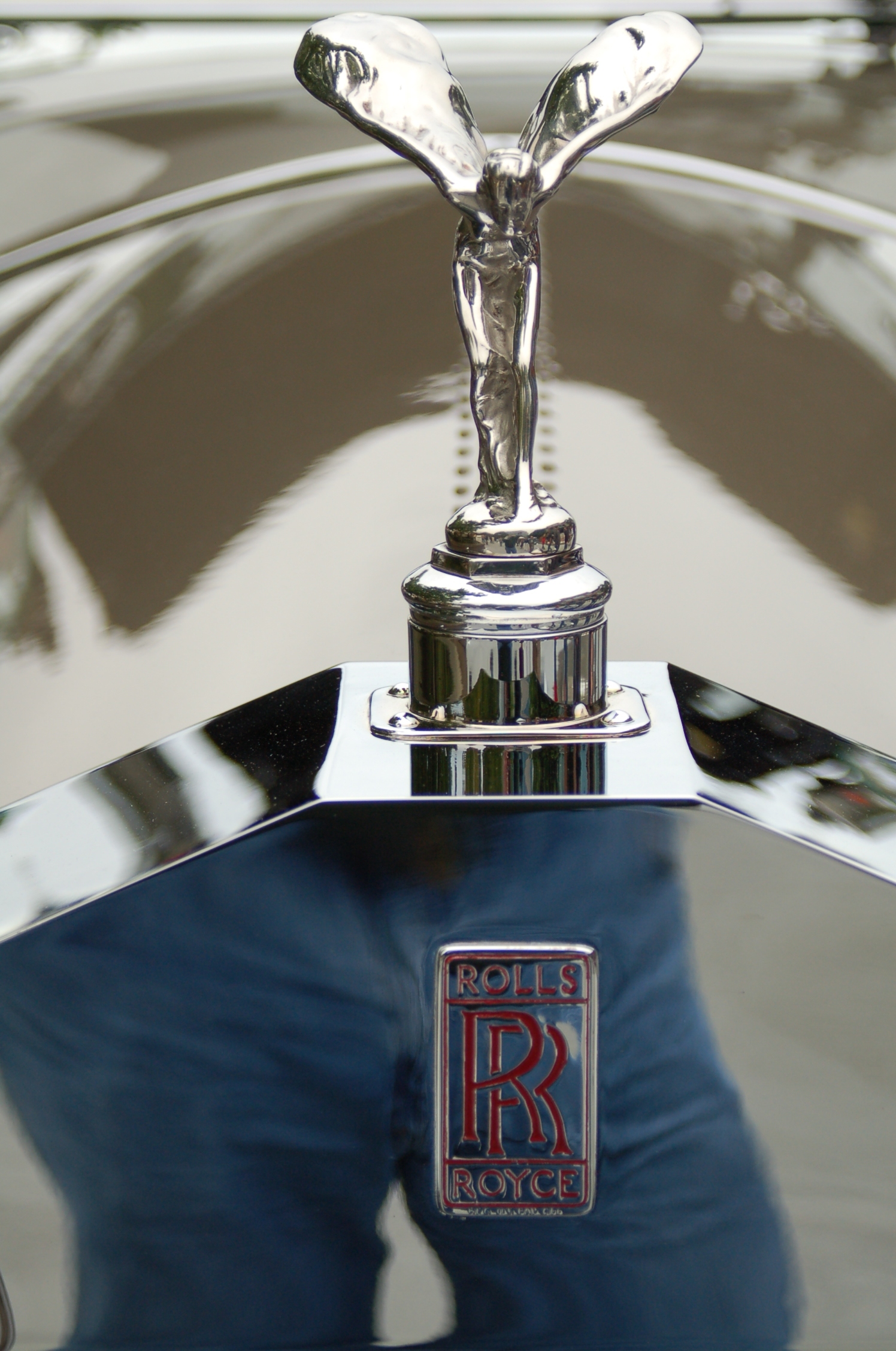
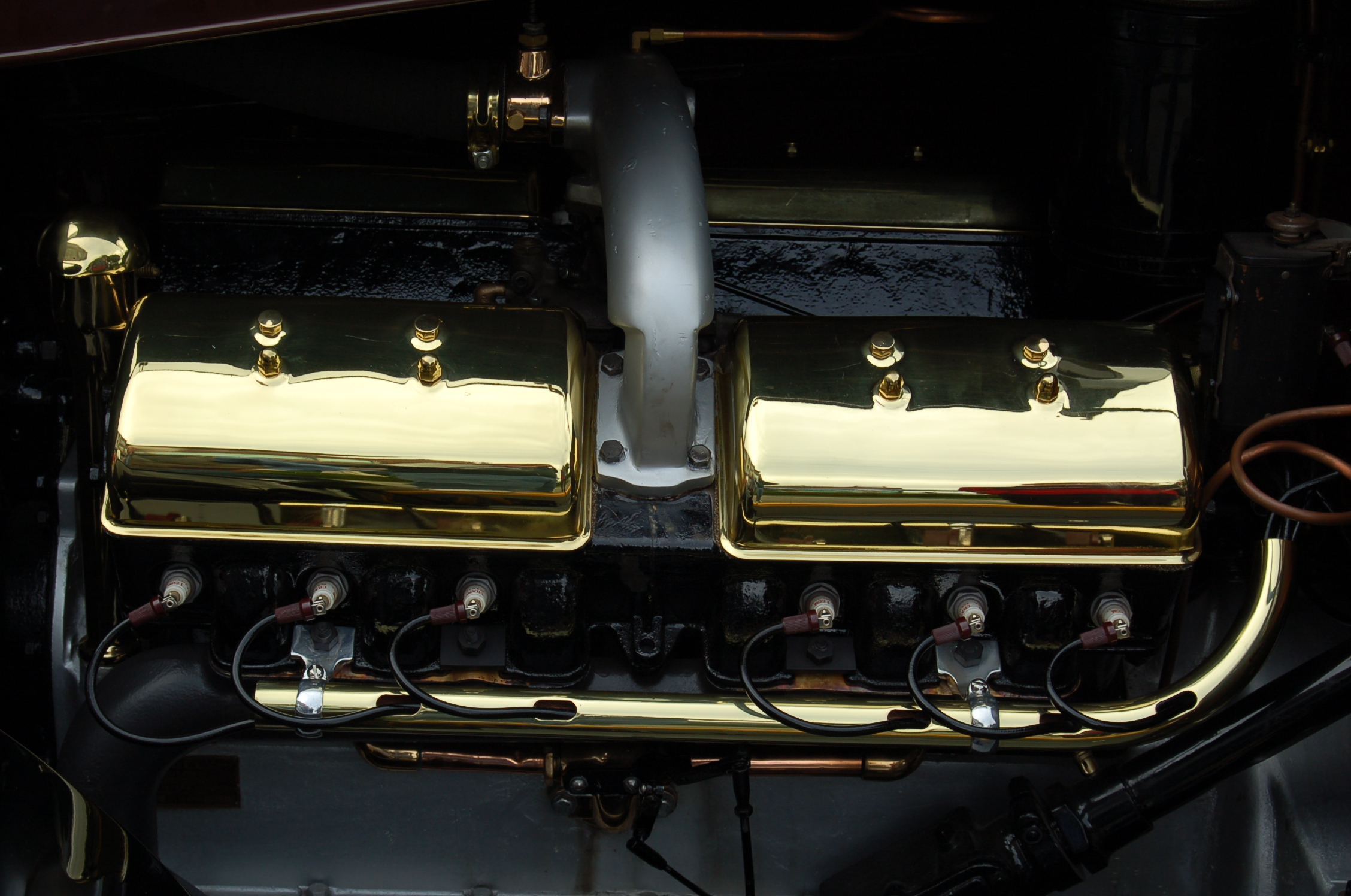
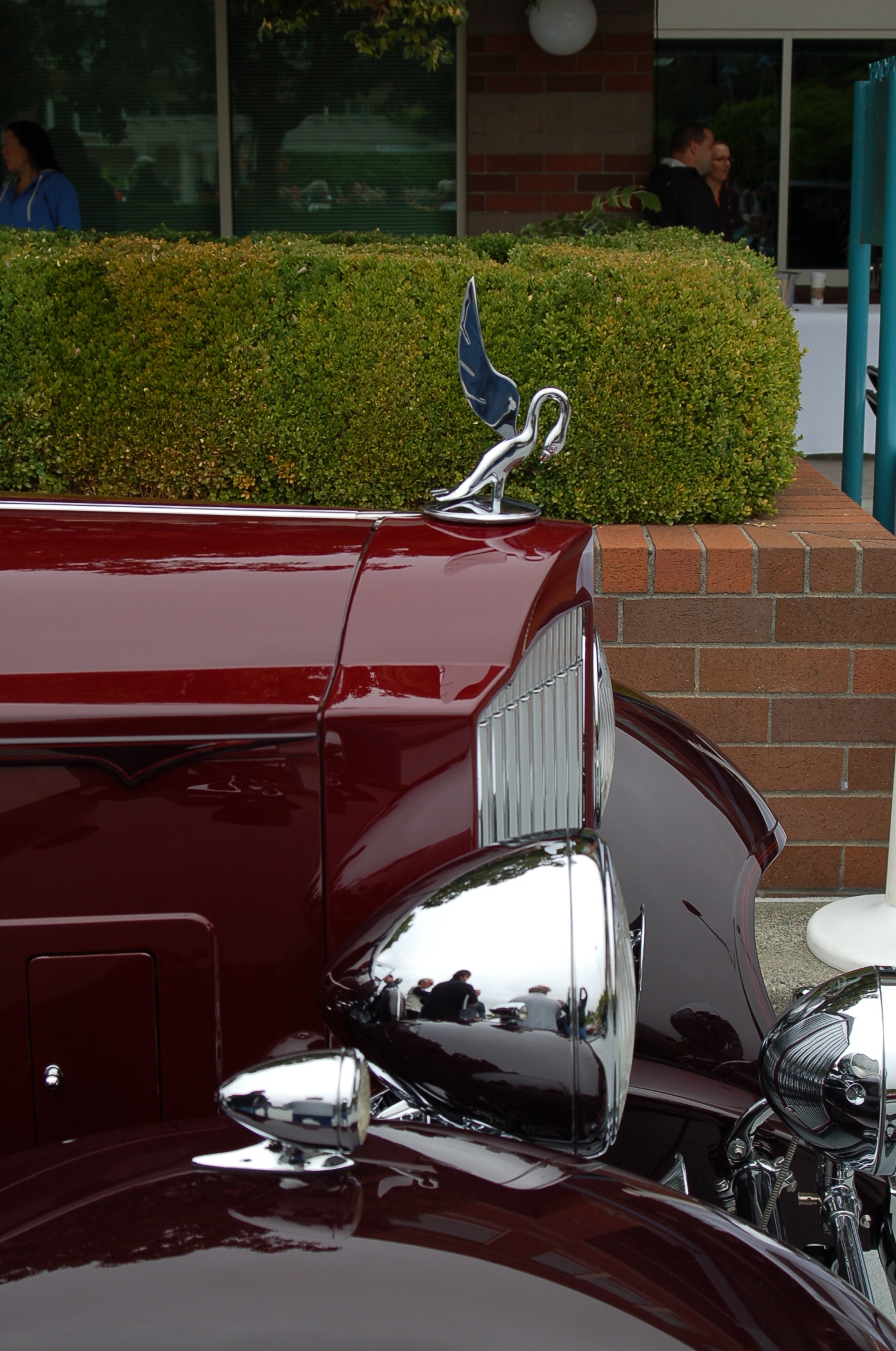
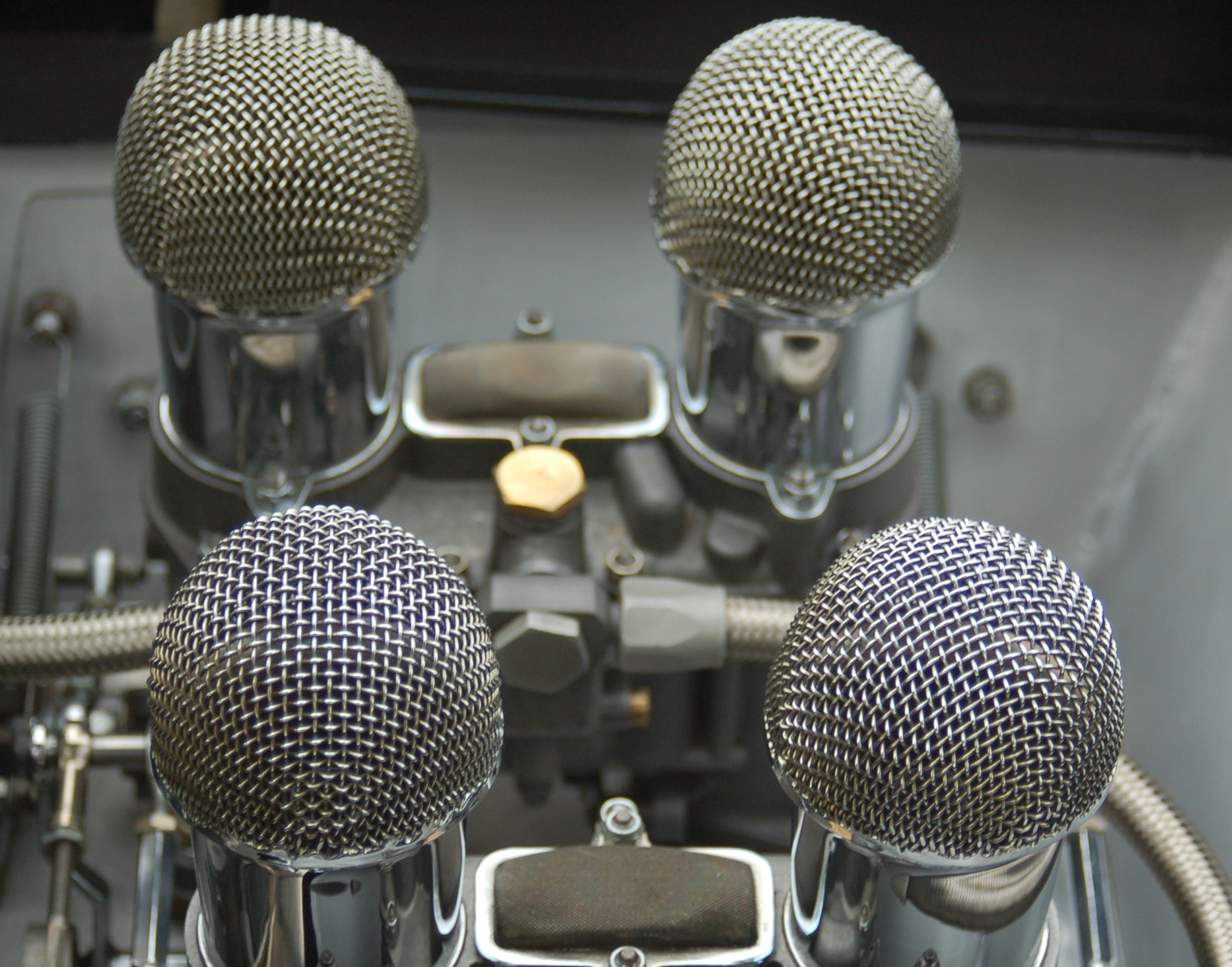
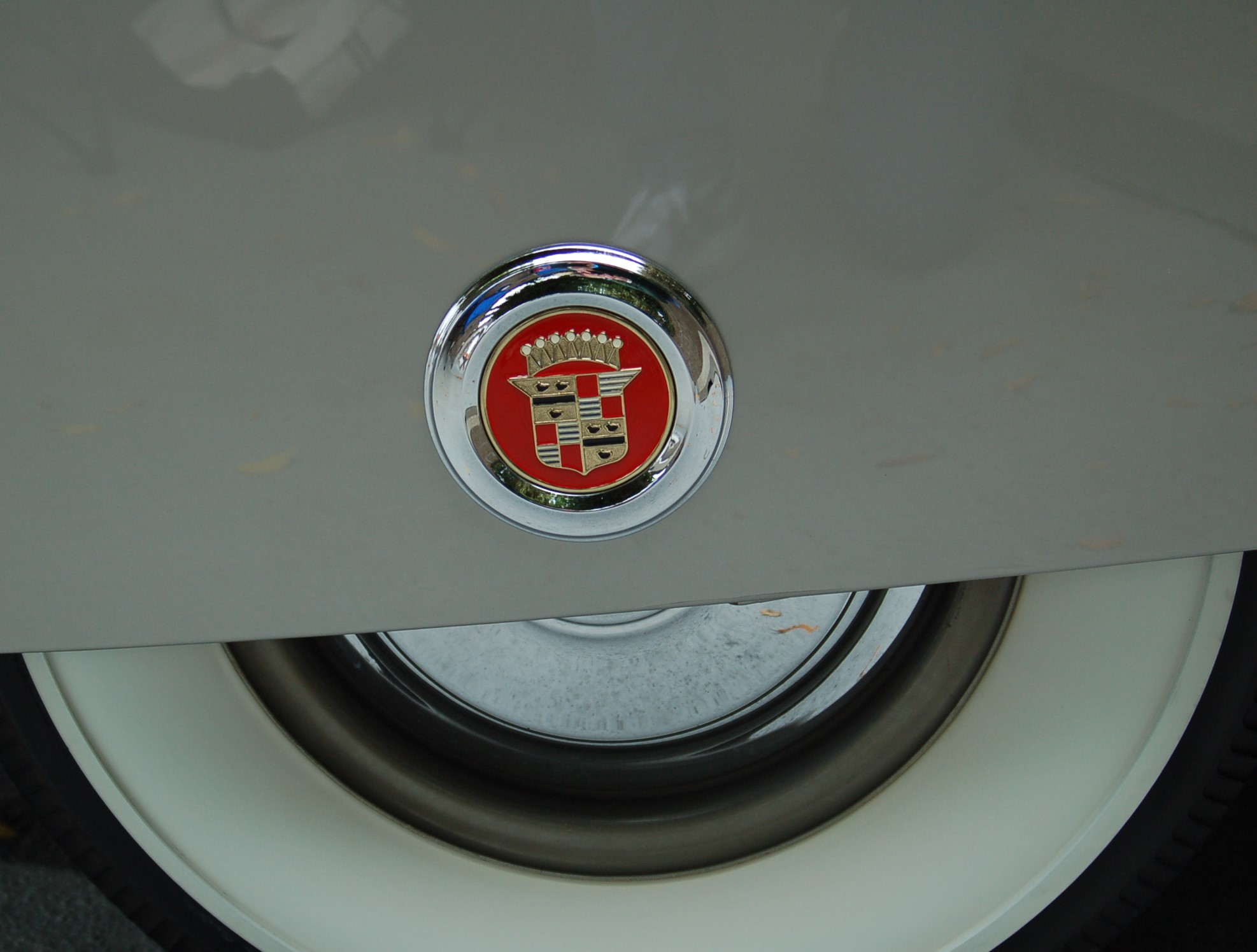
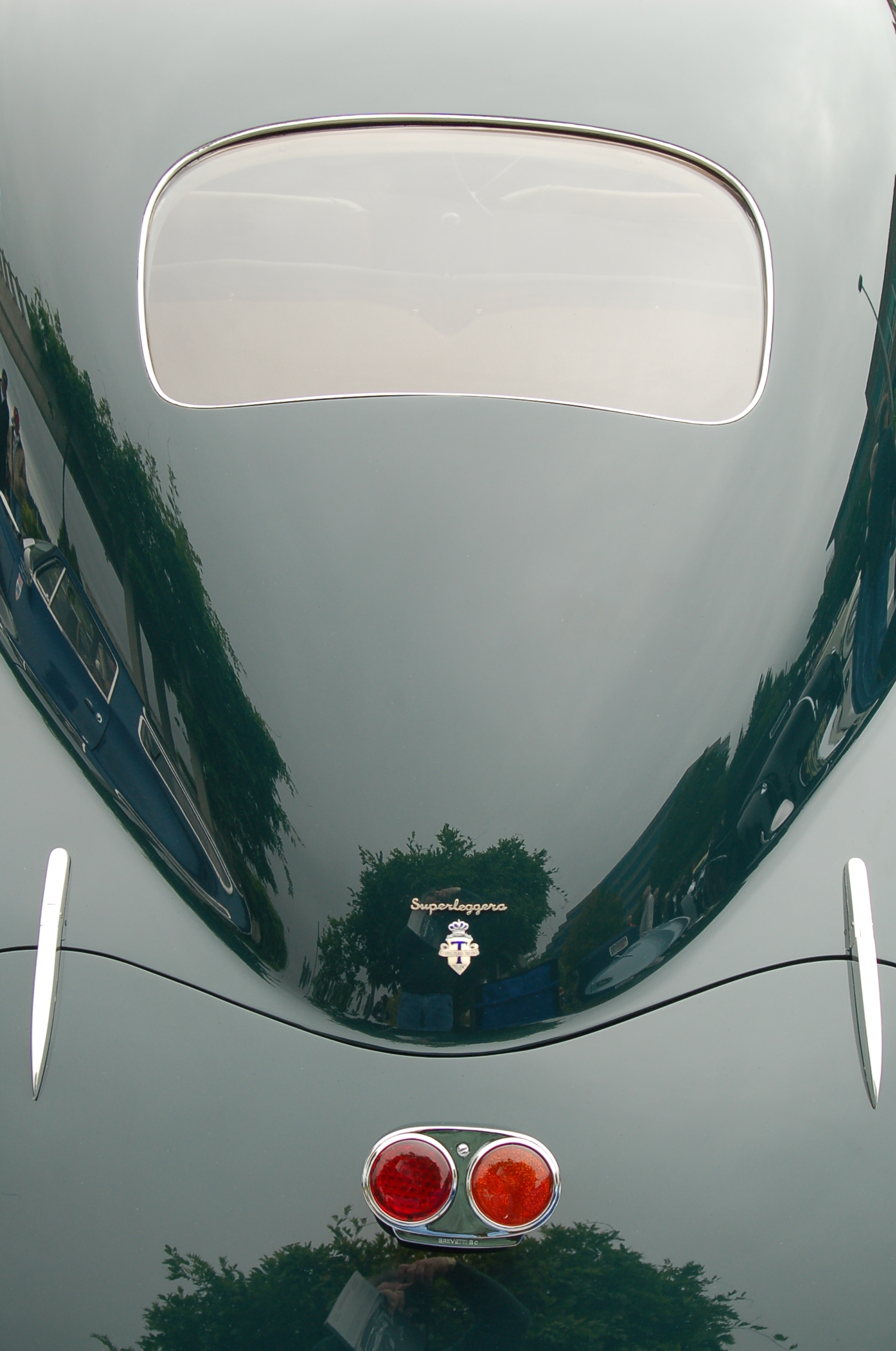
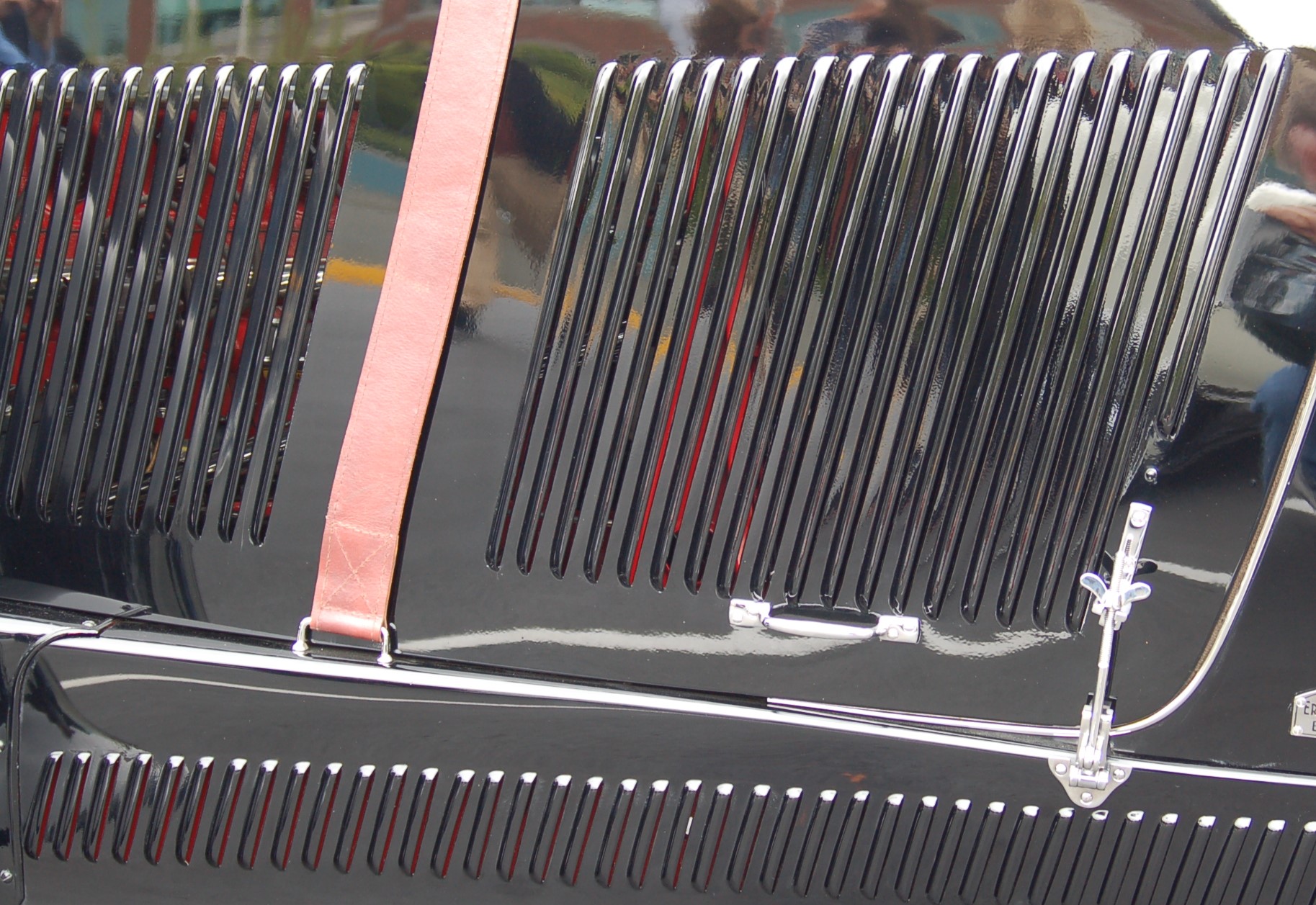
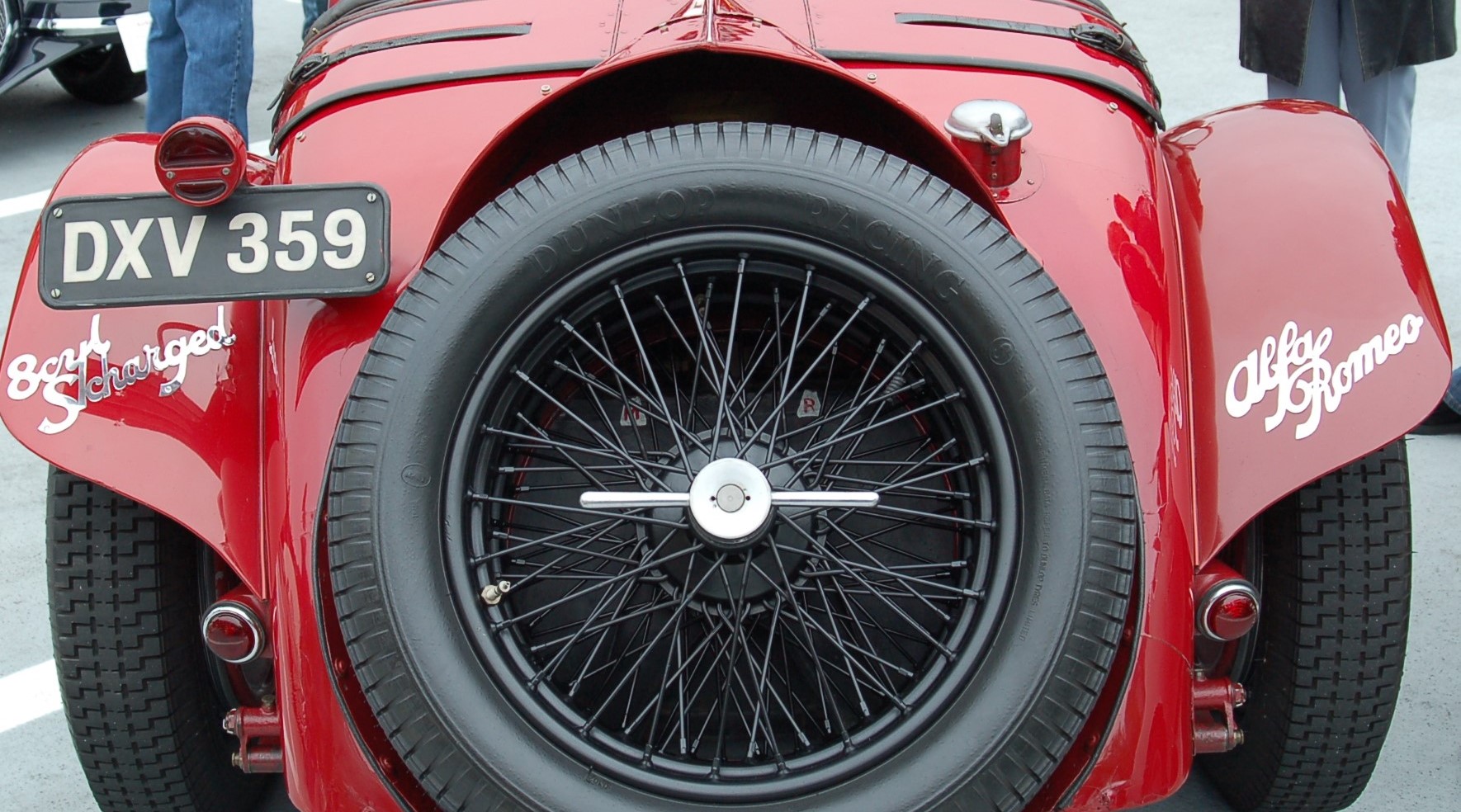
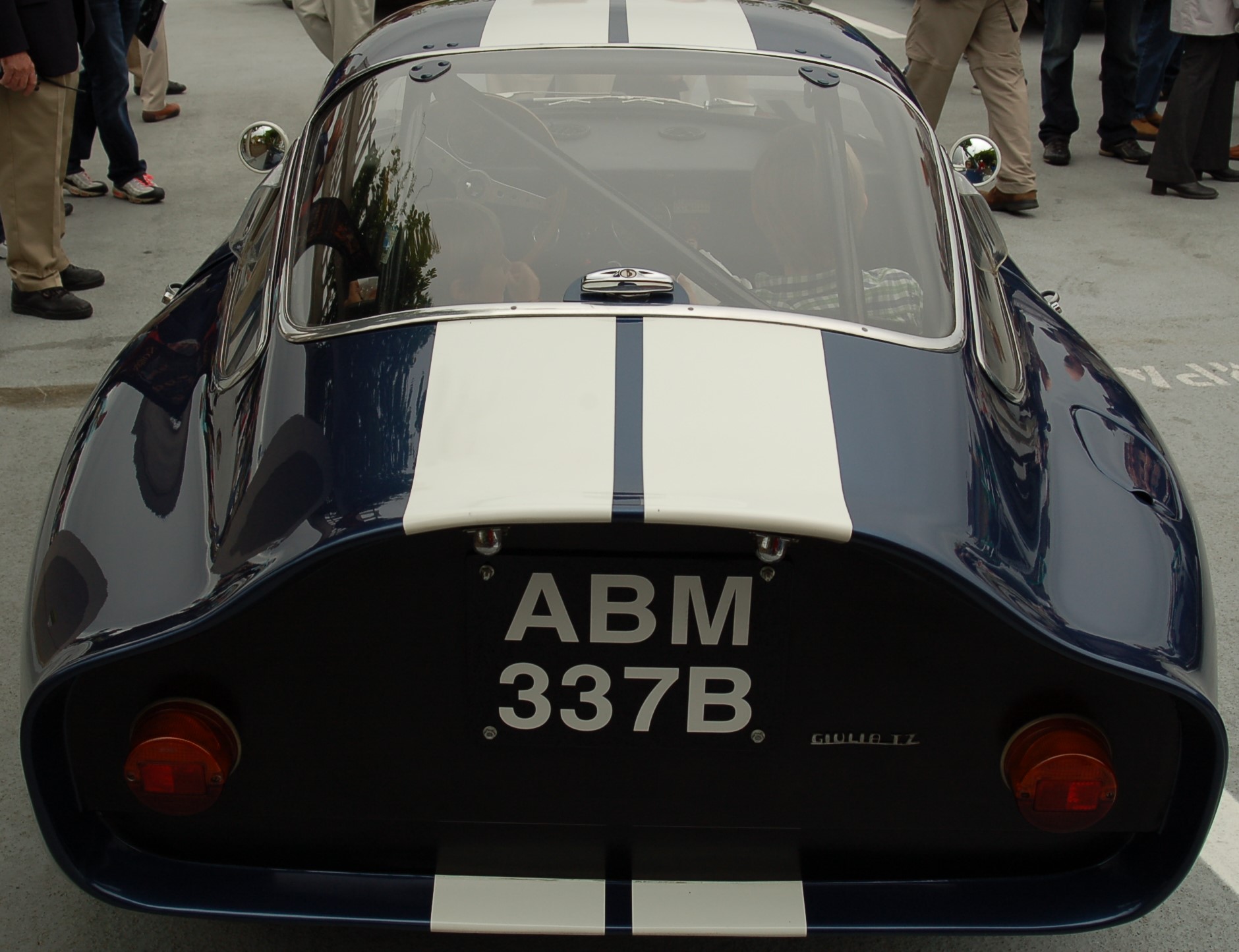
Frustrated by all the people milling around while I was trying to take photos of iconic historical cars at the Kirkland Concours d’Elegance on the shores of Lake Washington, I decided to compensate by getting up close to the design elements on these elegant automobiles.  Here is a sample of that work, which sometimes drifts off to abstraction.

The Concours that year was a tribute to Carroll Shelby, featuring five unique Ford classes.  So I’ll begin with a couple minutes of the “GT40 Soundcheck.”  Yes, the ground was shaking.  Turn up your speakers if you want to experience the thunder.


A selection of my photos.  Please feel free to use with attribution.

4.5


23.5


59


1


30


31


32


4

5.5


69


67


66


38


42


39


14


11


12


44


9


8


8.5


53


56


13.5


17


26.5


35


16


46


54


52


48


5.75


6.5


5.JPG


16.5


6


13


100


18


27


47


23


15


The Wild Pacific Trail at Ucluelet, British Columbia

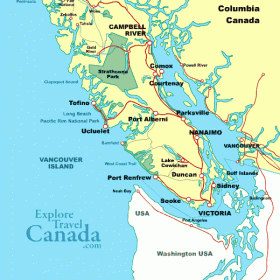
Take a pictorial walk with me on The Wild Pacific Trail at Ucluelet, a tranquil village of about 2000 on the Ucluth Peninsula of Vancouver Island’s far west coast.  It’s about 288 kilometers northwest of the provincial capital, Victoria.

map

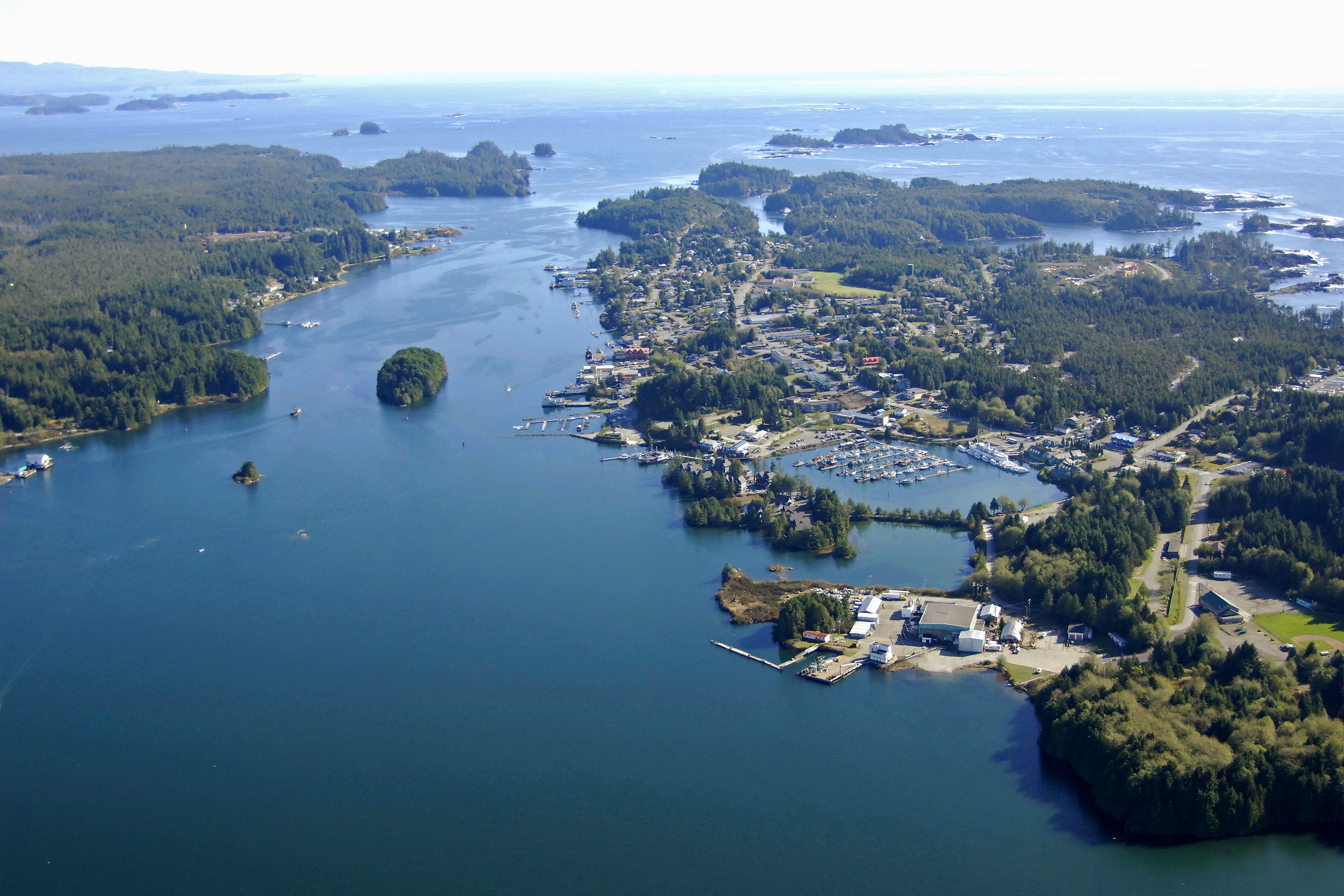
Its location supports Ucleulet’s motto – “Living on the Edge” – as the peninsula is almost completely surrounded by water, making it more island than peninsula.  The Ucleulet Harbor provides easy water access to the ethereal mists of Barkley Sound to the south, featuring the Broken Group Islands of the Pacific Rim National Park Reserve.  To the west is the thundering Pacific Ocean.

aerial

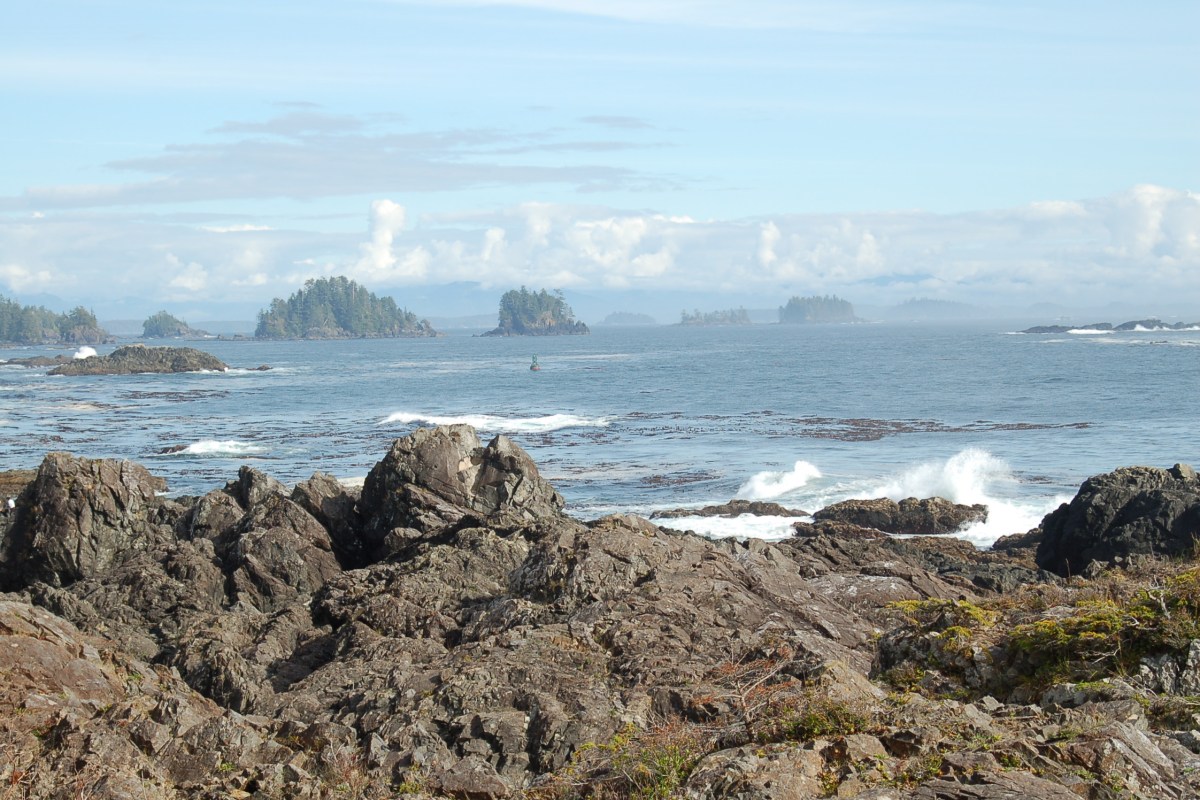
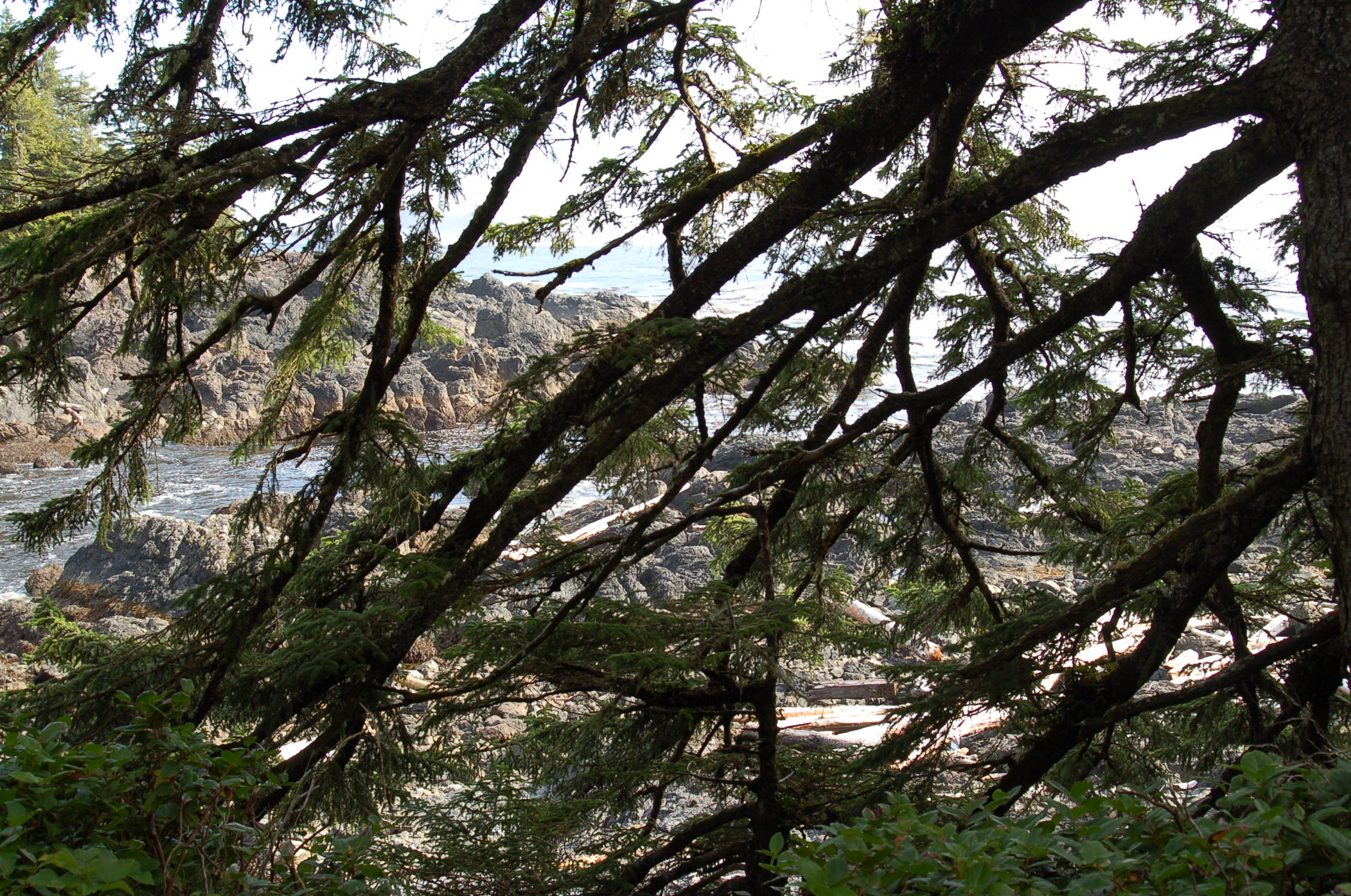
It’s on this western shore you can walk The Wild Pacific Trail, which clings to the coastline as you meander the trails and boardwalks amid an old-growth coastal rainforest – a labyrinthine wildwood of trees, ferns and moss.  Without warning, the trail bursts onto spectacular views from the rocky shoreline of the roiling Pacific Ocean, Barkley Sound, and the Broken Group Islands.

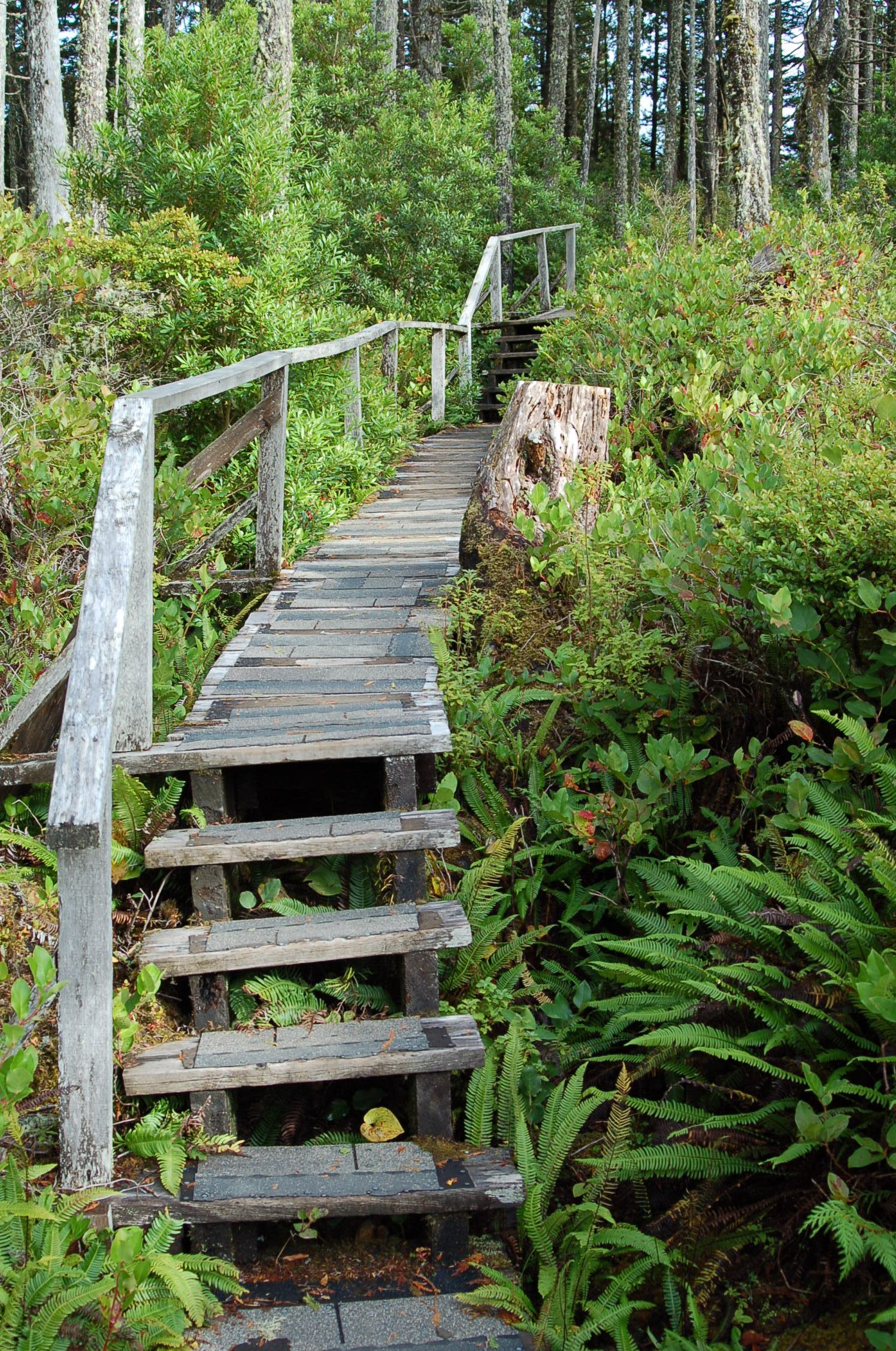
The trail is an easy, relaxing hike, with two large parking areas, easy access (including disabled), and well-signed trails.  When I was there, signs instructed you on what to do in the unlikely case that you found yourself sharing the trail with a bear.  Sadly, I didn’t see one.

Photography by S.W. Cosgrove.

Looking south from the far end of the peninsula, towards Barkley Sound and the Broken Group Islands.  In the mist on the other side of the sound is Bamfield, a tiny resort hamlet that is best reached by packet boat from Port Alberni or by float plane.

DSC_0078

DSC_0089

DSC_0072DSC_0062

DSC_0098

DSC_0102

DSC_0068

DSC_0117

DSC_0109

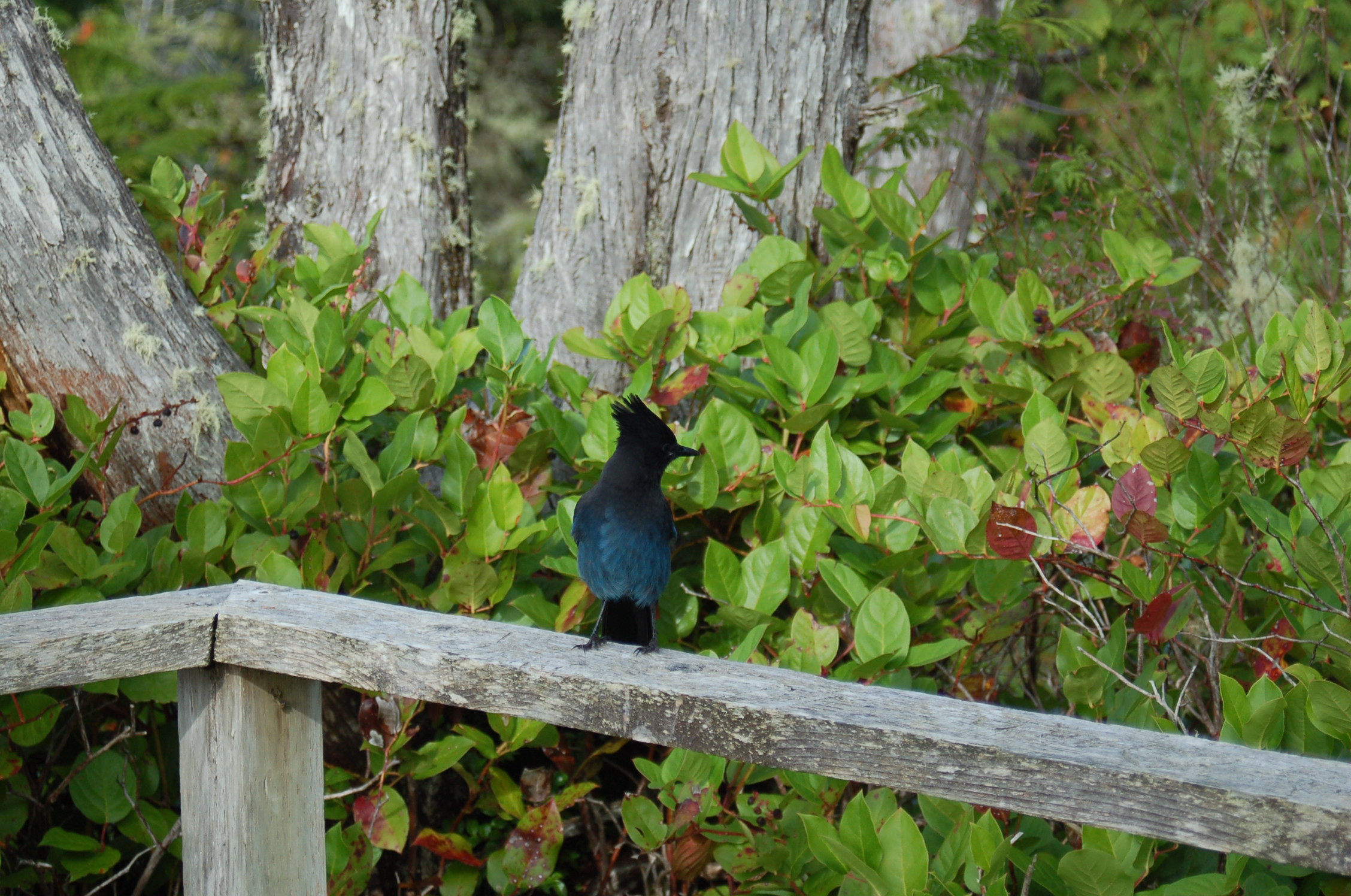
Here is a very engaging Blue Jay, who decided to accompany me.  Chatty bird, and quite friendly.

DSC_0123

DSC_0071

DSC_0127

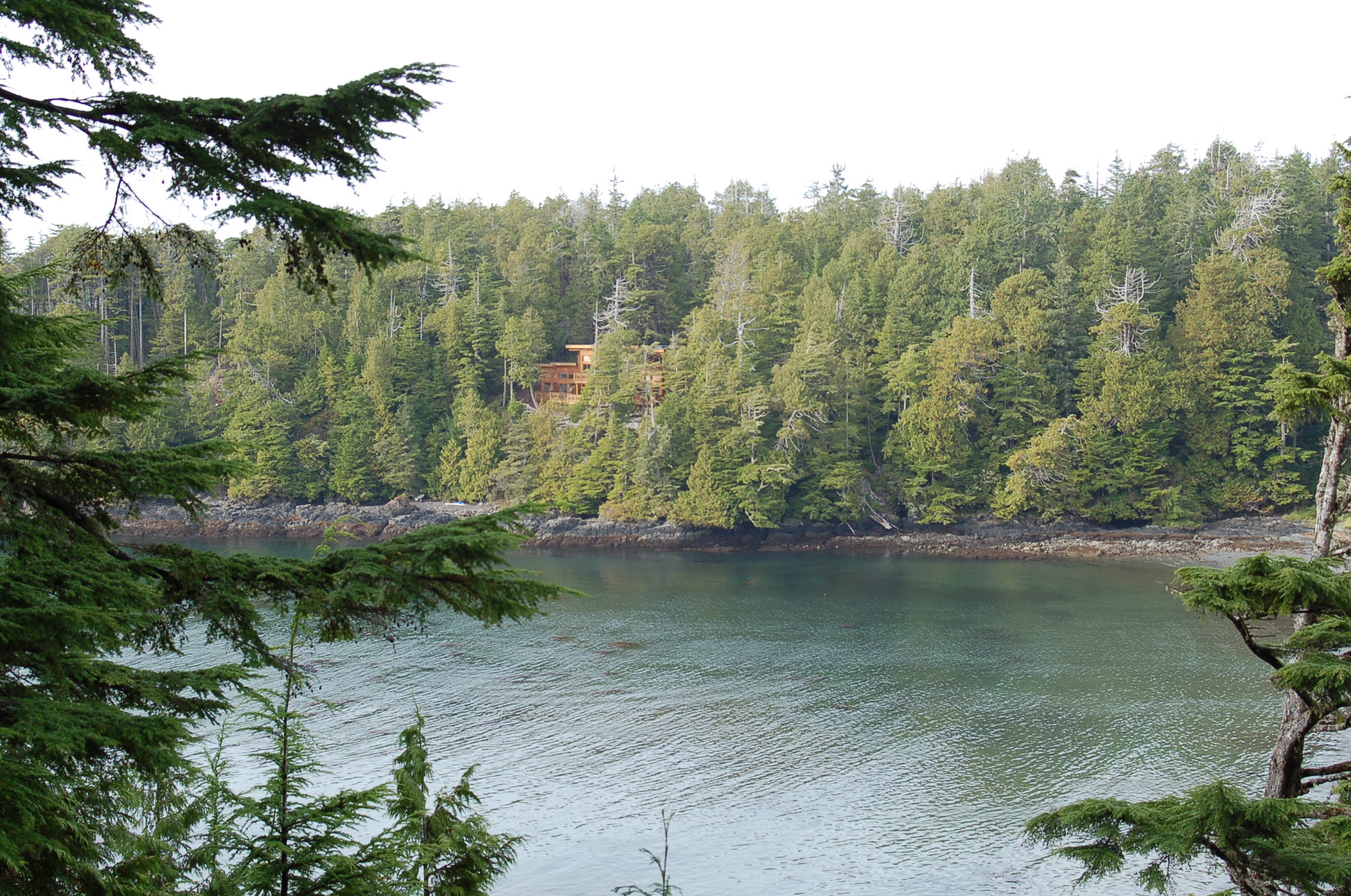
Hidden in the woods on the other side of the water is the lodge that I stayed at.

DSC_0126

DSC_0106

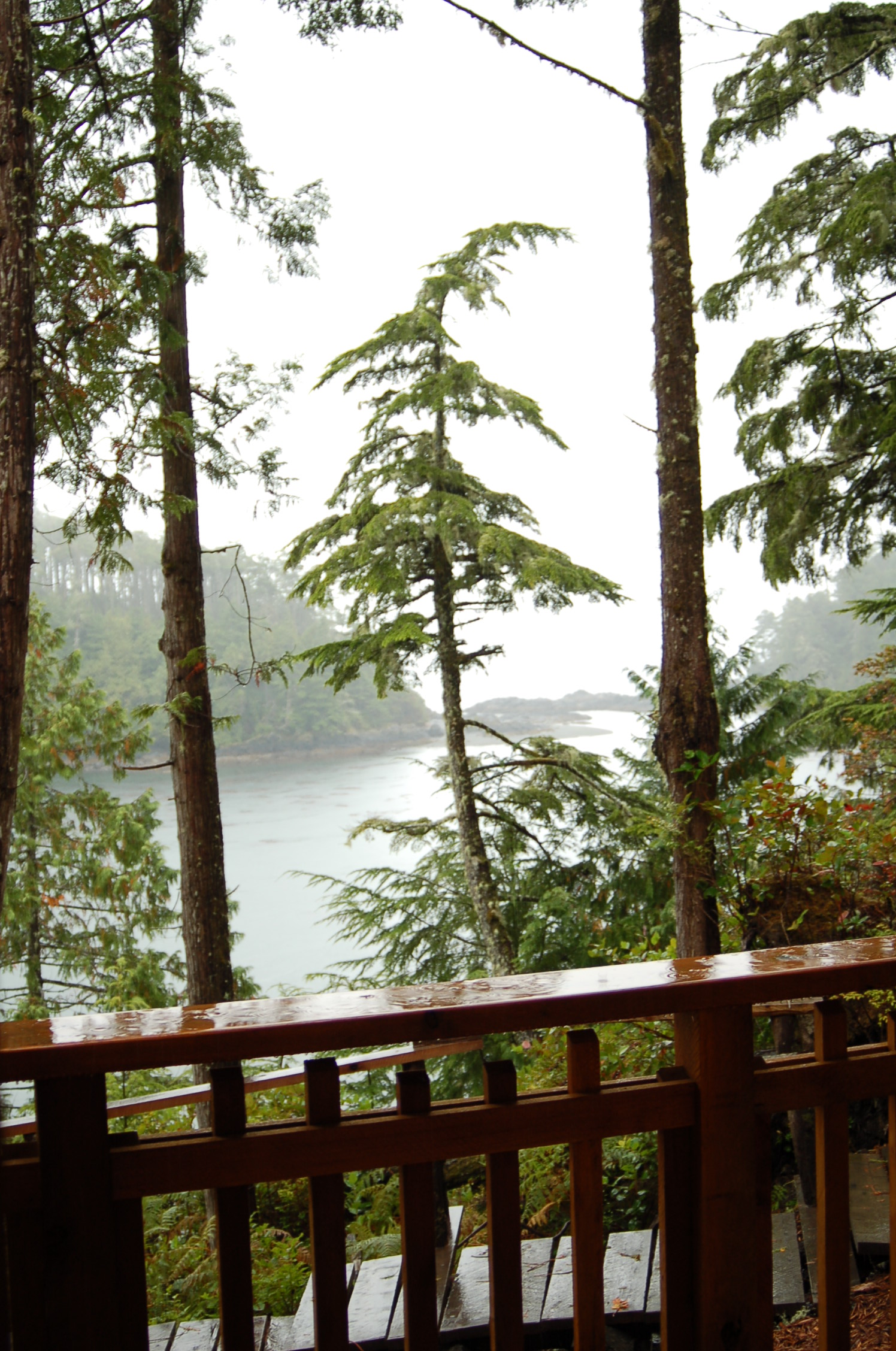
Following is the view from the private patio of the studio apartment I rented in an elegant new wood-built lodge that a young couple shared with visitors.  It was in a very quiet location, situated just a few steps from The Wild Pacific Trail.  Reasonably priced, very comfortable, with an oversized soaking tub.

The last afternoon, a storm blew in and rain pounded windows and deck.  Then, a half hour later, the sun came back out and dried everything off.

DSC_0135

DSC_0137

DSC_0138

DSC_0142

Ucluelet Harbor

DSC_0132

DSC_0133

Photos: Ocean Shores coastal winter weather changes over one hour

This week before the Winter Solstice 2017, we spent a few days at Ocean Shores in the state of Washington, USA, to absorb the marine air off the mighty Pacific Ocean.

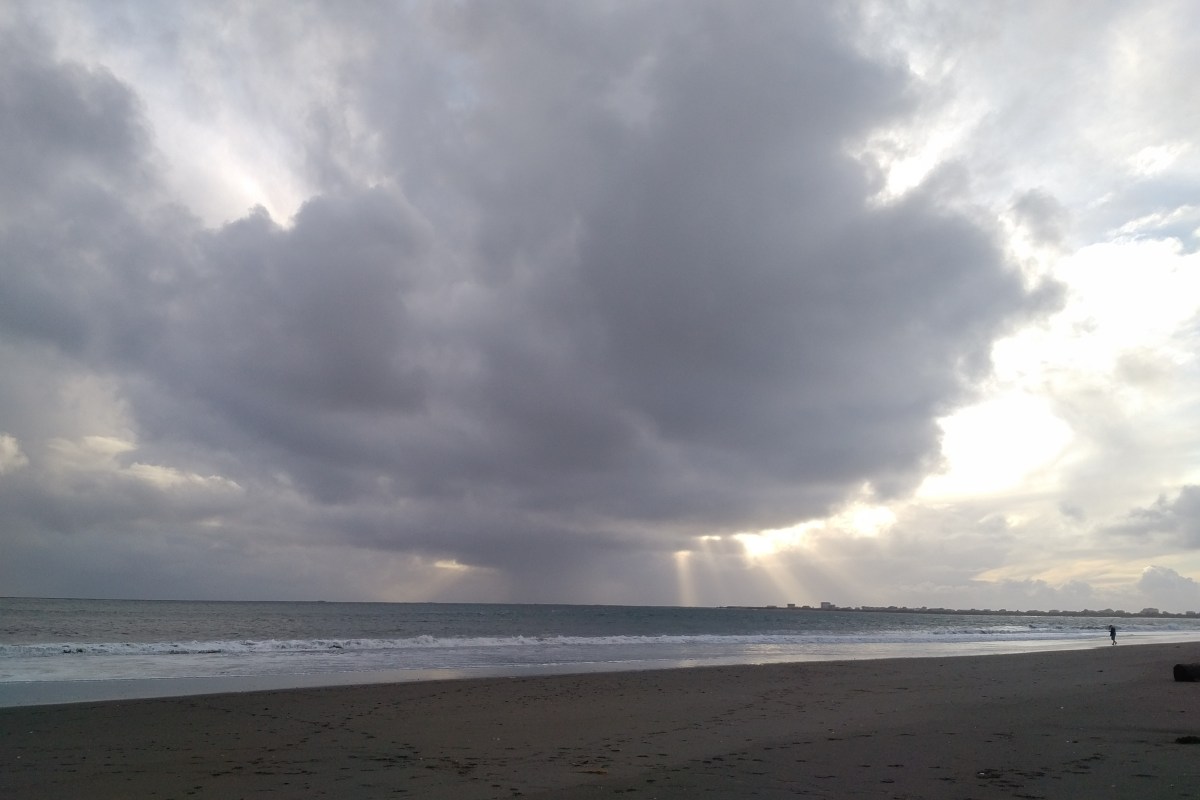
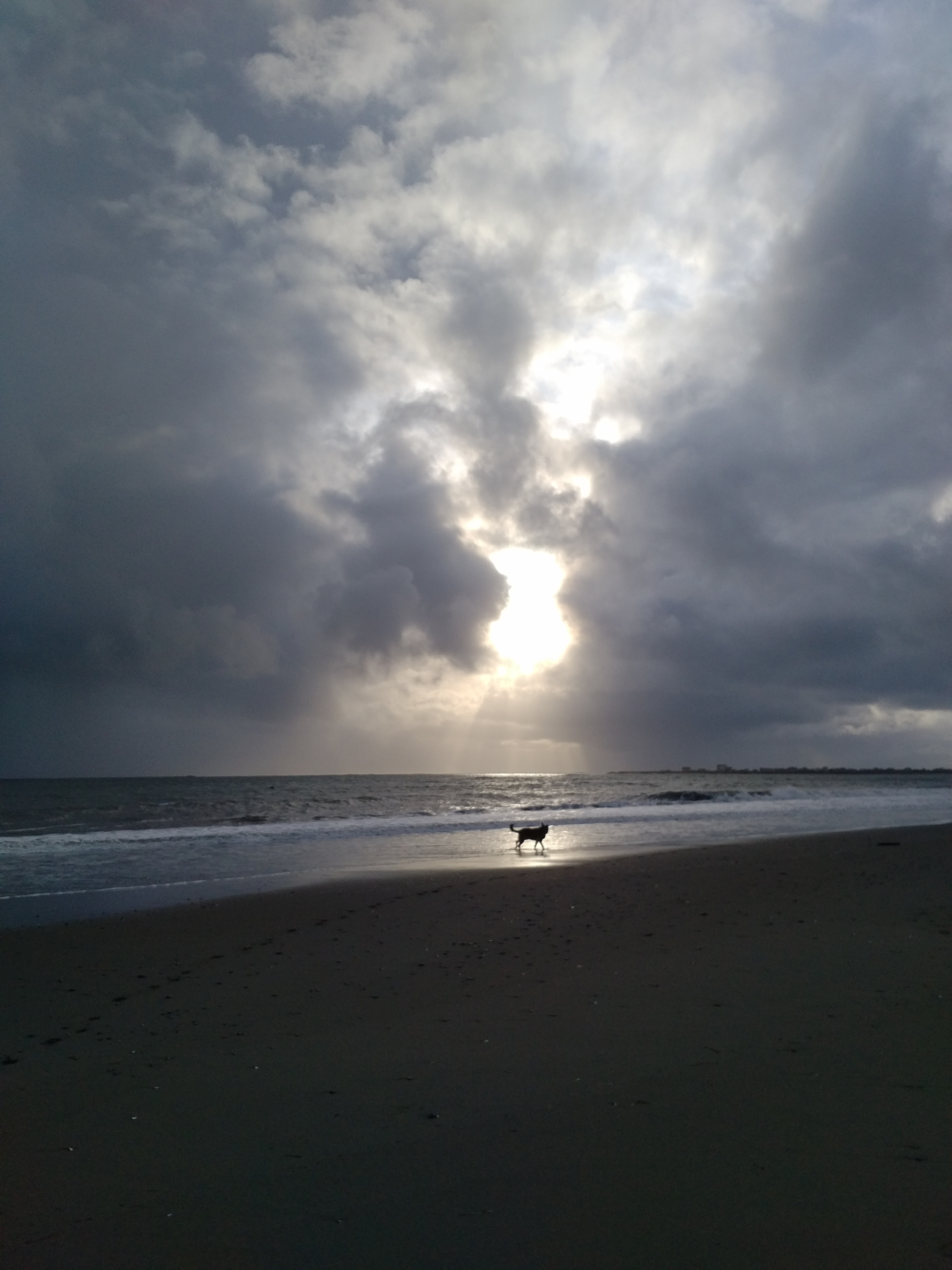
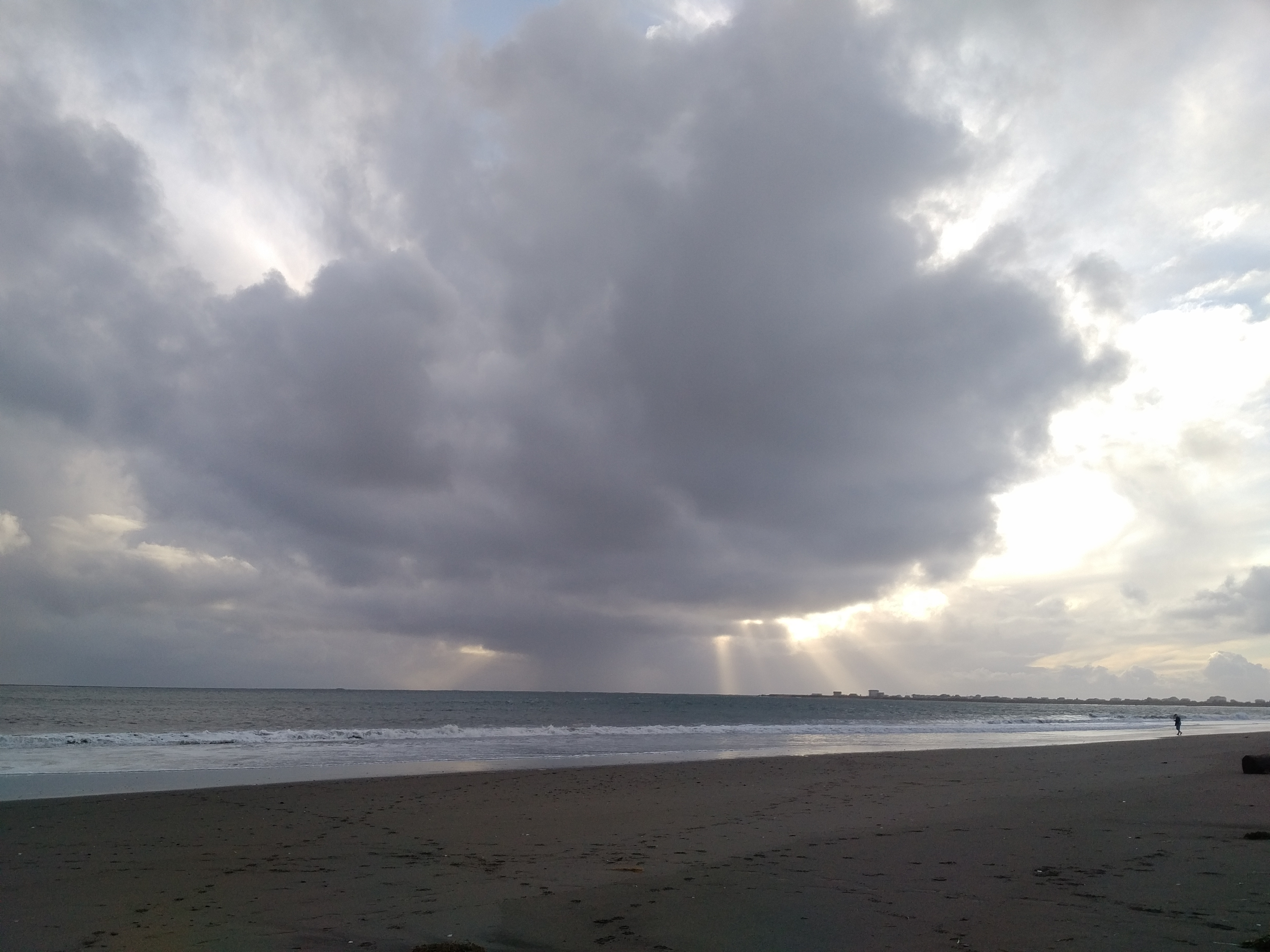
Here are my photos of just one hour of coastal weather change from the vantage point of Protection Island, or Damon Point State Park, a 544-acre natural area adjacent to the Washington State Game Preserve.  A sand spit best crossed on foot at low tide connects the island with the mainland.

Damon-Point.10

Rows and flows of angel hair
And ice cream castles in the air
And feather canyons everywhere
I’ve looked at clouds that way
But now they only block the sun
They rain and snow on everyone
So many things I would have done
But clouds got in my way
 I’ve looked at clouds from both sides now
From up and down and still somehow
It’s cloud’s illusions I recall
I really don’t know clouds at all
~ Joni Mitchell, Both Sides Now

IMG_20171219_1505260

IMG_20171219_1505353

IMG_20171219_1505496


IMG_20171219_1510386

IMG_20171219_1511445

IMG_20171219_1512503

IMG_20171219_1515138

IMG_20171219_1516115

IMG_20171219_1518530

Walking on the Western Edge of North America – the Washington Coast.

It’s autumn, when the Pacific Ocean coastal skies may be sunny or turn dark, ushering in the magnificent storm season.  Either way, it’s a perfect time to explore the westernmost edge of the North American continent.

moclips-wa-965fafeea3373724

So my German Shepherd, Jack, and I headed out from our home on the Puget Sound to spend a week in the historic seaside resort town of Moclips, which was originally a village of the Quinault Indian Nation.  Spaniards were the first Europeans to come ashore here at Santiago beach, adjacent to the Moclips River, which runs to Point Grenville.

Moclips was homesteaded in 1862, and in 1905 it officially became a town when the western most terminus of the Northern Pacific Railway was completed at Moclips and the first Moclips Beach Hotel was completed.  Vacationers came to the beach by the thousands on the Northern Pacific.  No trains run to Moclips these days and most remnants of the the railway’s existence have faded away.  Click the photo below for more Moclips history.

depotheadernew

Today Moclips is a sleepy little seaside town with pristine beaches that stretch to the horizons.  The Moclips River flows from a natural riverine rain forest on a bed of agate rock.  You can see the remains of the train bridge trestles in my photos.

I stayed at the Hi-Tide Ocean Beach Resort, a peaceful and well-maintained collection of very comfortable, fully furnished and tastefully appointed condos with patios facing the ocean, the river and the setting sun. Hi-Tide welcomes dogs!  You can arrange rental on the Hi-Tide Resort website. 

img_20171024_1746538.jpg

During our visit, we had a full compliment of weather: sun-drenched shorts and sandals weather at the beginning of the week, with marine air moving in, then darkening skies, wind picking up and rain by the time we left.  It was, in a word, a perfect autumn week on the Pacific Northwest coast.

Here are some of my photos of the journey. If you use them, please attribute.

Hello from Jack!

IMG_20171024_1745085

IMG_20171026_0852577

IMG_20171024_1737514

IMG_20171024_1720072

IMG_20171024_1757084

IMG_20171024_1732010

IMG_20171024_1722550

IMG_20171026_0833070

IMG_20171024_1758365

IMG_20171025_1255253

IMG_20171025_1257497

IMG_20171025_1747369

IMG_20171026_0849396

IMG_20171026_0854593

IMG_20171025_1300510

IMG_20171026_0849466

IMG_20171025_1744098

IMG_20171025_1746330

IMG_20171025_1749119

IMG_20171024_1741451

IMG_20171026_0839345

IMG_20171026_0903207

IMG_20171026_0842165

IMG_20171026_0907202

IMG_20171024_1749197

Pacific Ocean Cabins With a View

31591d445cd9e5320f9998addf22d76f--boating-rainer-maria-rilke

All photos by S.W. Cosgrove
IMG_20170606_1806130

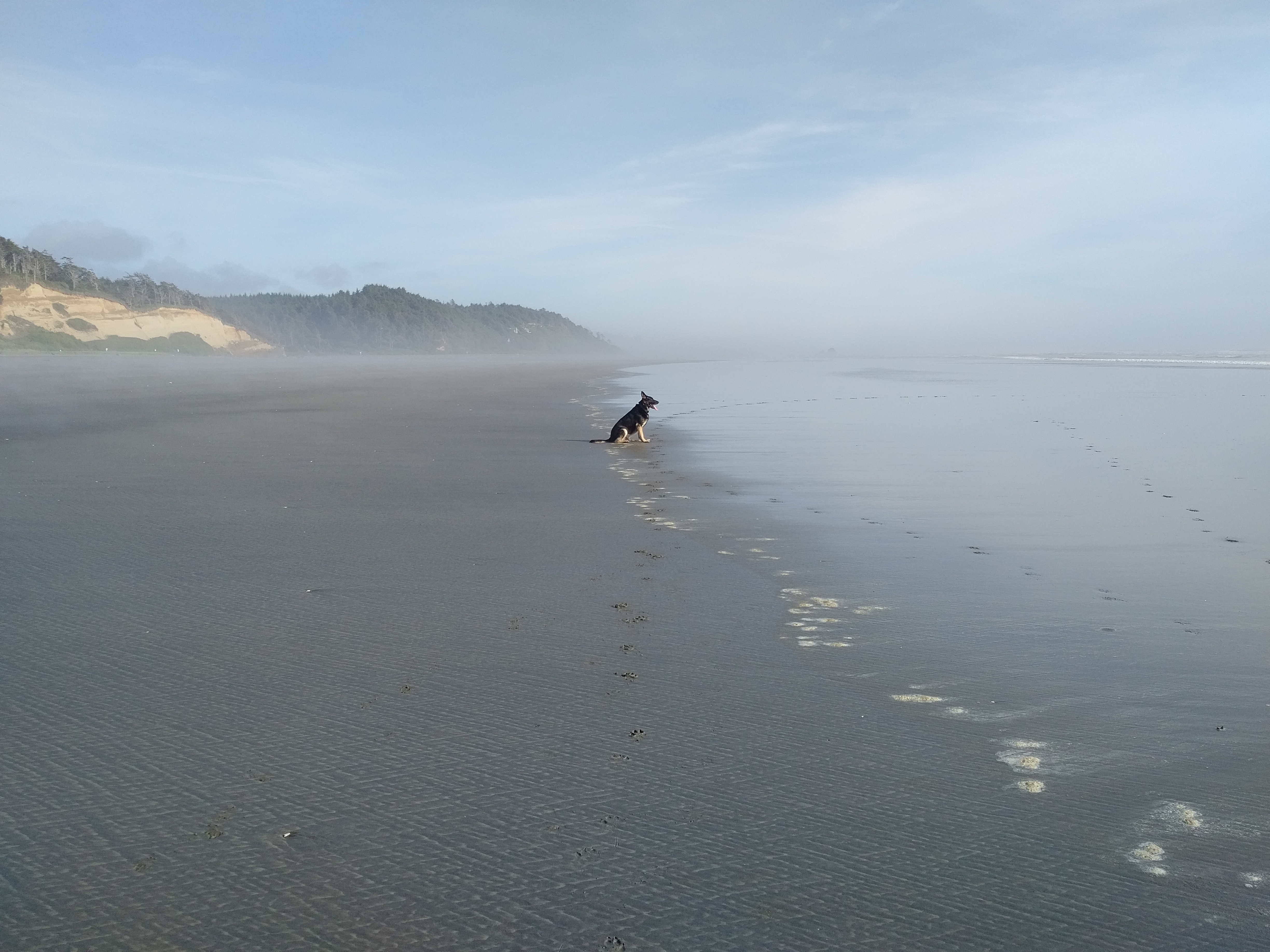
At the north western edge of the continental United States, with the Pacific Ocean at your feet, lie a handful of cabins – Iron Springs Resort.  They are arranged on a bluff overlooking a vast horizon that stretches westward to the edges of what is visible, then dissolves into what is not visible to mere mortals.
IMG_20170427_1829367

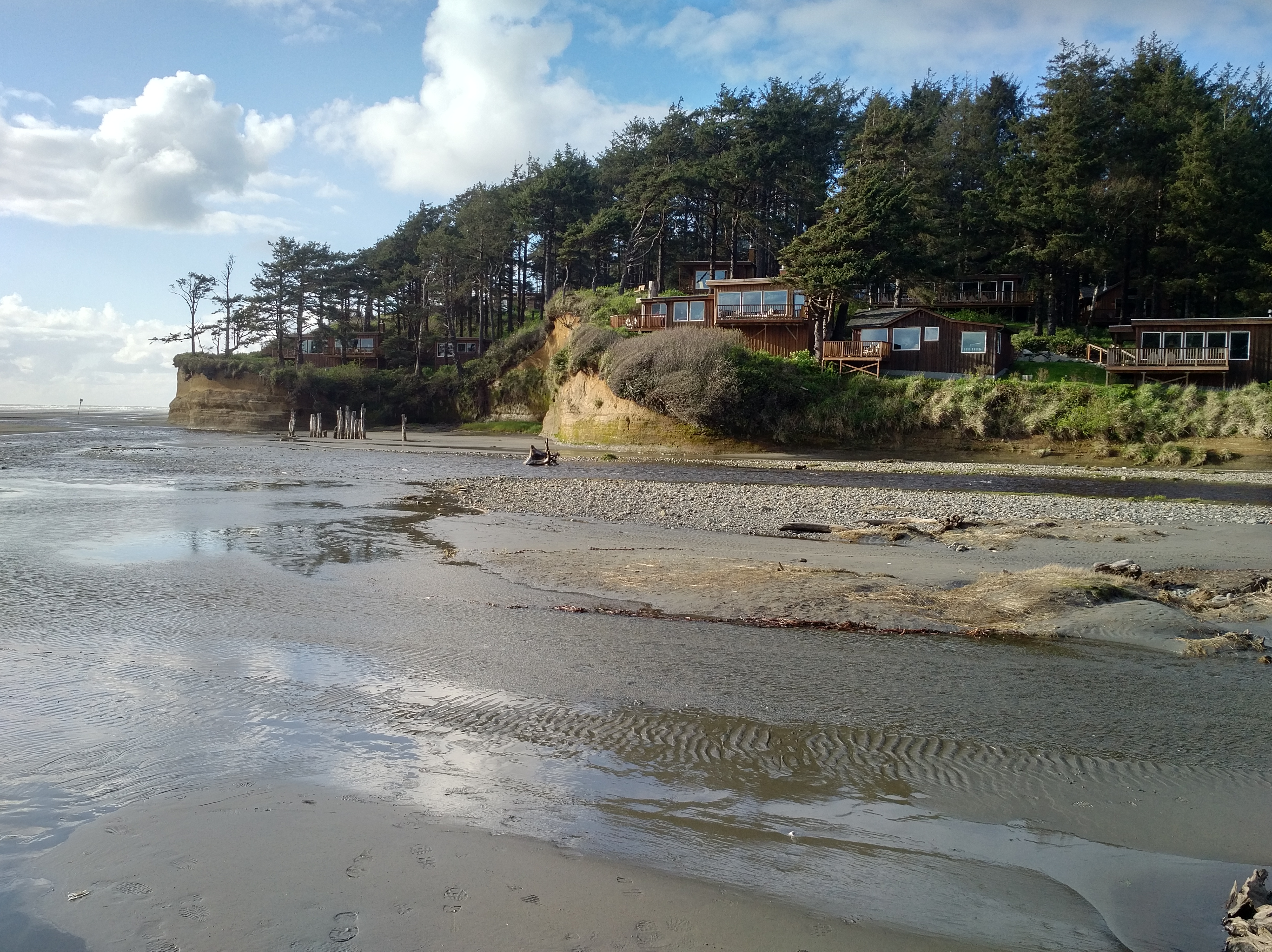
As you walk at the edge of the pounding surf, the sandy shores seem to stretch to infinity from north to south.  Keep walking – for hours if you like – and you’ll never reach the end.  The sand, the surf and the springs and estuaries that feed into the ocean recede and dissolve until they exist only in your memory.  As the tides come in and go out at the resort’s Boone Creek, where fresh water meets salt water, you can watch the fresh water rise up over the more dense salt water, while the salt water beneath pushes its way upstream along the bottom.  But as you walk, beware the incoming high tide, or you may find it difficult to return to where you began.
img_20170606_1803187.jpg

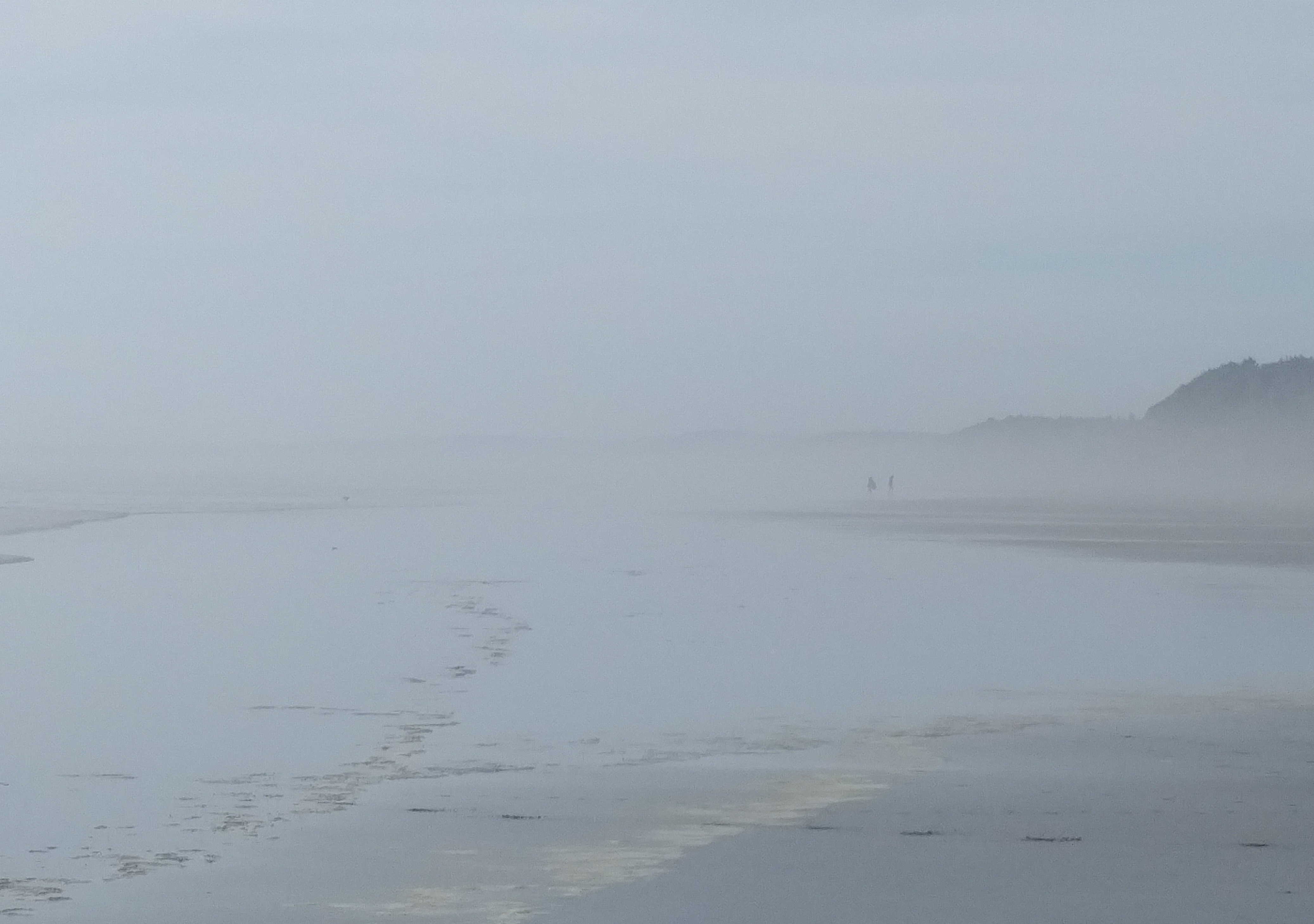
The sounds of the savage ocean shore are primal, as if from a dream.  The sea birds, screaming at your thoughtless interruption of their dining routine.  The winds, from gentle to so harsh they’ll blister your skin.  And the rhythmic symphony of the great ocean beast itself as it moves ever towards the shore, changing from swells to white capped waves to crashing surf, ending the cycle as a churning but ever thinner sheet of water conforming to the irregular nuance of beach, fragmenting into barely visible ripples that disappear, pulsing and absorbed into the sand, only to reform as rivulets of salt water retreating to the ocean to begin the journey again.
IMG_20170426_2012005

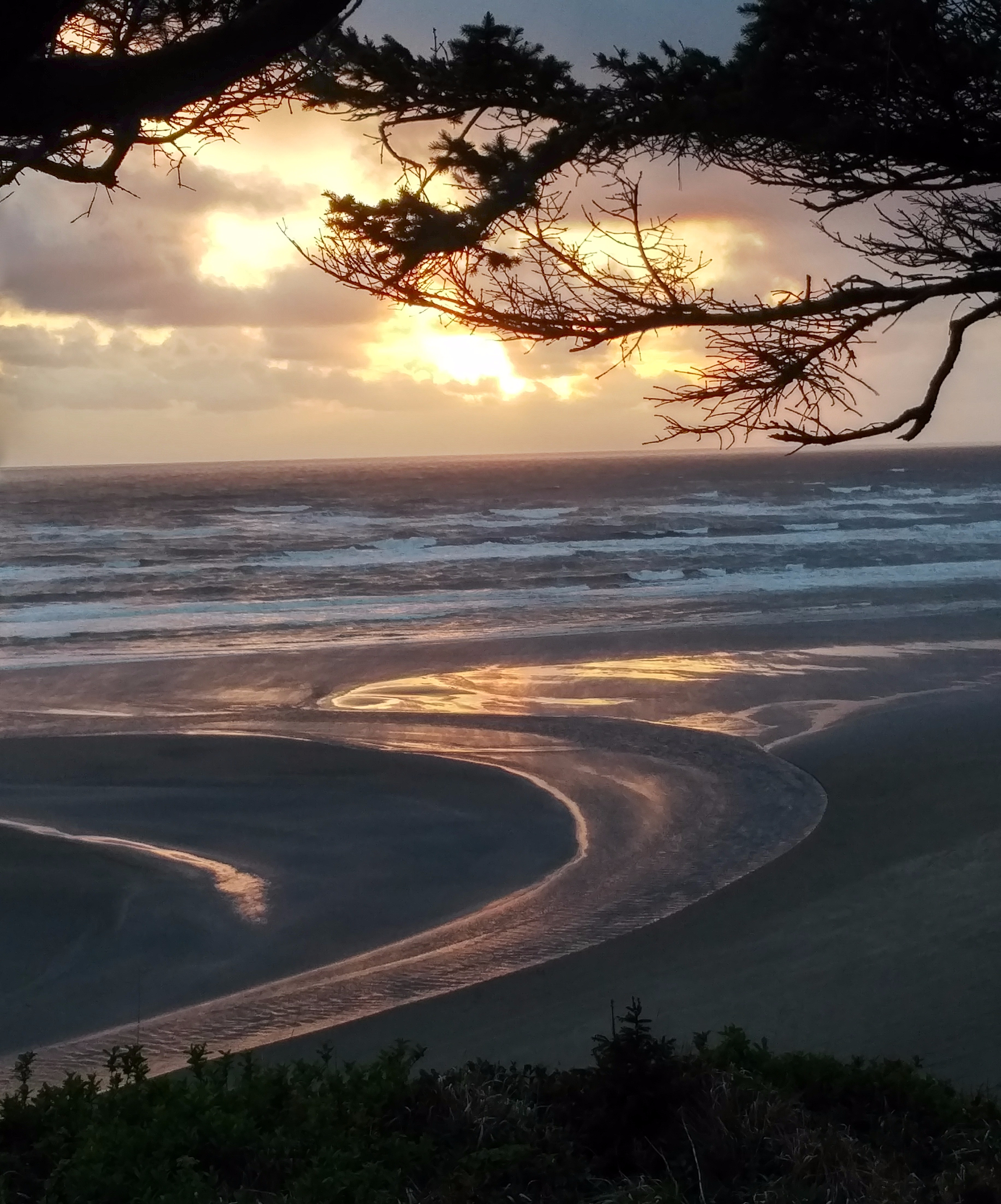
This is the endless world.  The ocean.  From the beginning of time through eternity.  We have the privilege of being part of the world but for a short time, less consequential than a grain of beach sand that has existed for millions of years.  In comparison, our lives are an almost impercipitible flash of energy, barely noted, lasting an immersurabley short time.

IMG_20170608_1835339

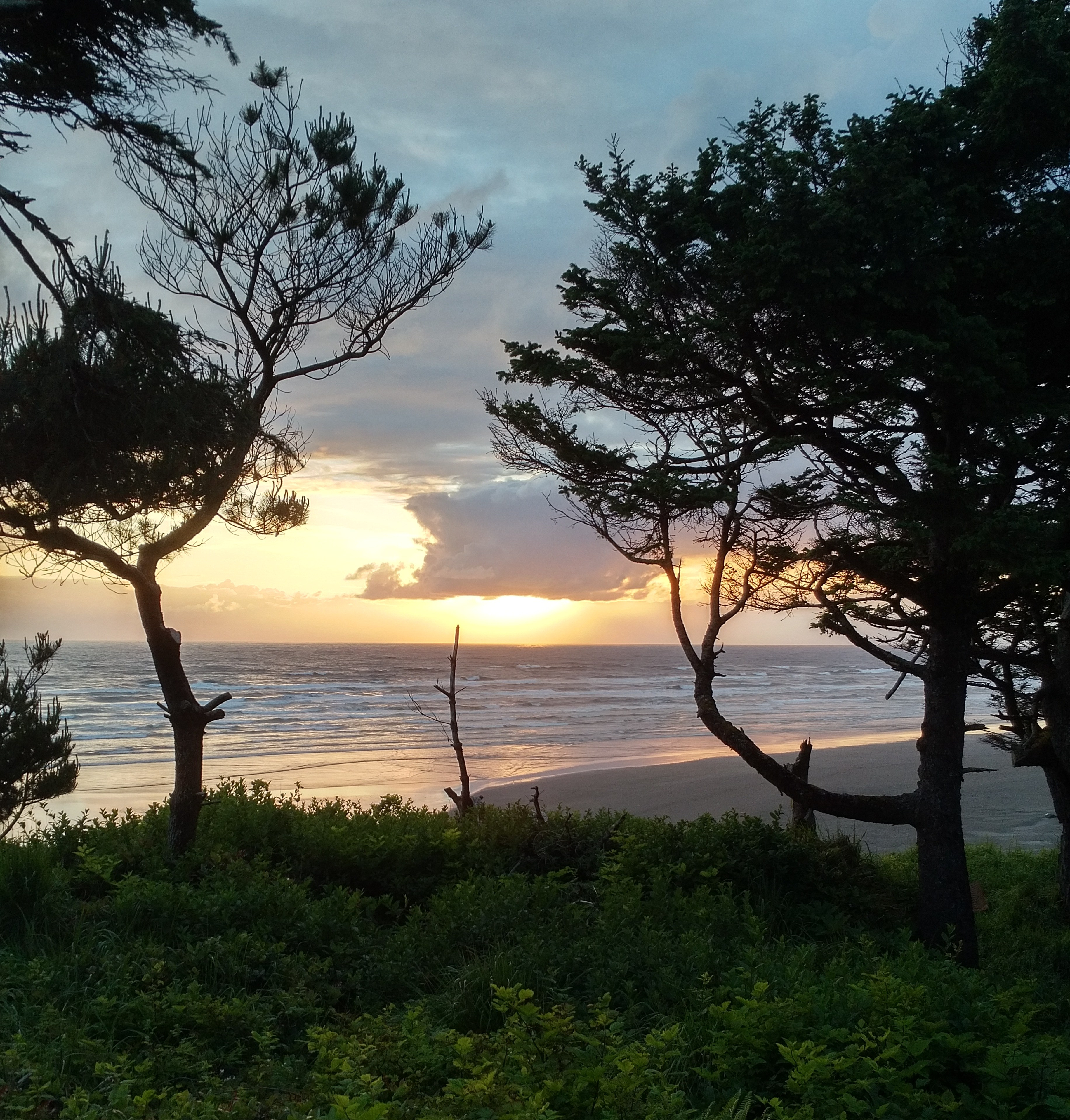
So you might as well take advantage of it.  Find a place like Iron Springs Resort, with about 25 cabins perched on a bluff stained orange from the iron-filled cliffs, with ruddy cinnamon waters from the nearby Boone Creek staining the beach.  In the 19th century, the area was considered to be a medicinal soaking place.

img_20170426_1113297.jpg

The cabins have ocean-facing decks, almost all with stunning sunset panoramas.  The resort has been there for decades, but all the cabins have been extensively renovated, incorporating the original stone fireplaces, with a generous supply of firewood included.  Though the cabins retain their rustic persona, they are equipped to the highest standard for your stay, whether it’s for the night or for the week.  Kitchens are well equipped, with granite countertops and modern appliances, including a dishwasher.   A full complement of cookware and dinnerware is in the cabinets, and there is a nice sharp set of cooking knives – a nice touch.  Fresh linens and towels are included, as well as dog towels to wipe your best friend’s feet.   Iron Springs Resort not only allows dogs, they love dogs.  When I arrived for my first visit, I brought my German Shepherd, Jack, with me the office to check in and they spent more time talking to him than me, letting him pick out a nice tennis ball from the bucket to take to the beach.   Oh yes, dog dishes are also supplied in the cabins.
img_20170426_1007156.jpg

The ambience at Rust Springs Resort is serene and congenial.  The cabins are set apart so that privacy is ensured.  Several people I met were repeat visitors, and I later found that many have used Iron Springs Resort as a touchstone for family getaways, reunions, bonfires and clam digs for generations.  There seemed to be a dog or two in every cabin, with everyone respectfully keeping their buddies on the leash.  The exception is the friendly resort dogs, who quite understandably are free to go where they like.

img_20170608_2116076.jpg

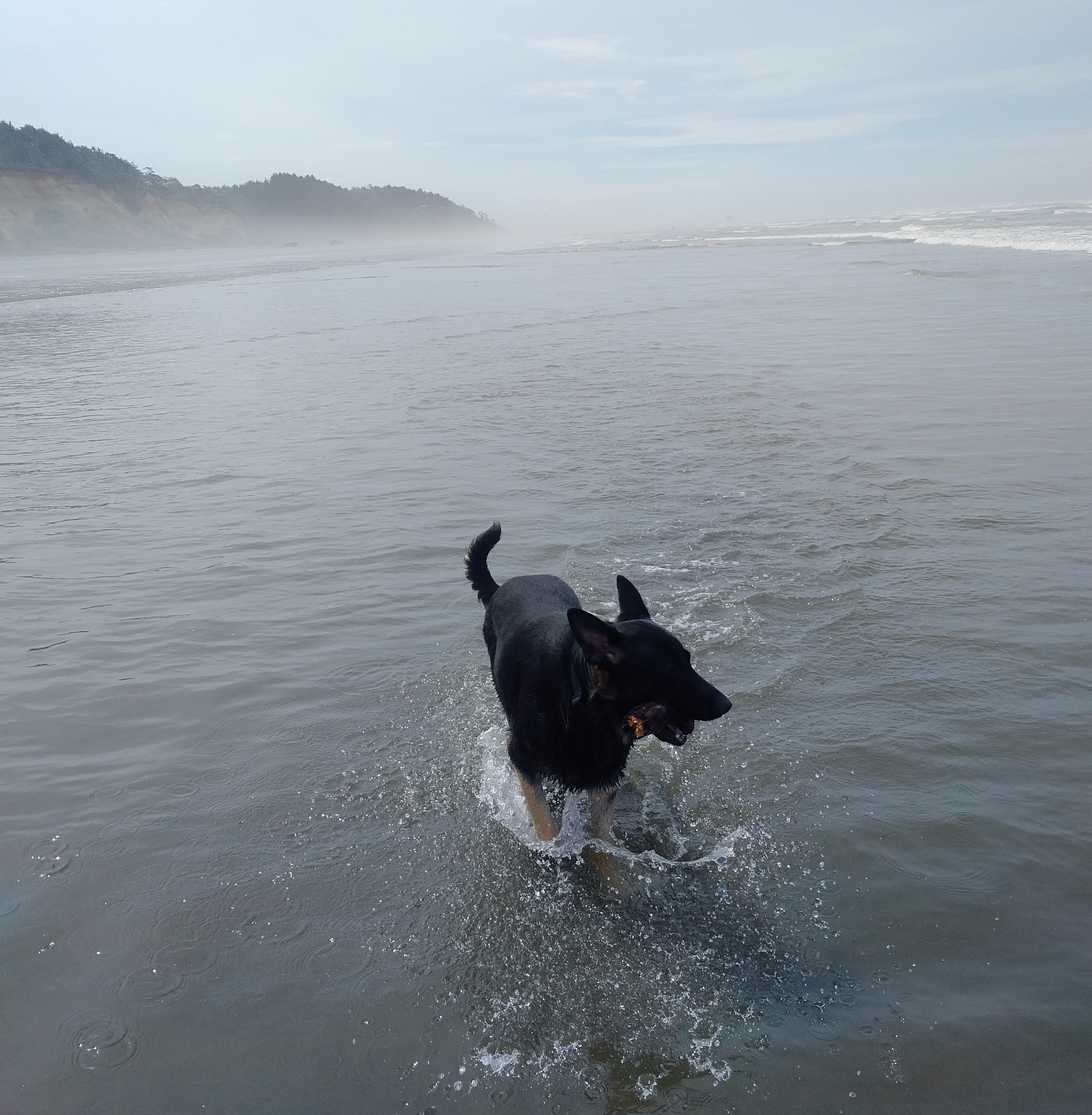
But once you take the five-minute walk to the beach, off comes the leash, and your dog will enter unrestrained cosmic canine bliss.  Feel free to do so, as well!  My GSD Jack takes off like a shot, with a rooster tail of flying sand behind him, until he gets to the water where he splashes around barking at the waves and chasing gulls.  When he finally slows down, somewhat later, we walk and walk and walk.  By the time we get back to the cabin, he’s ready for chow and a nice laydown, and so am I.  Click here or photo below for video link.
img_20170607_1118538-e1505257182266.jpg

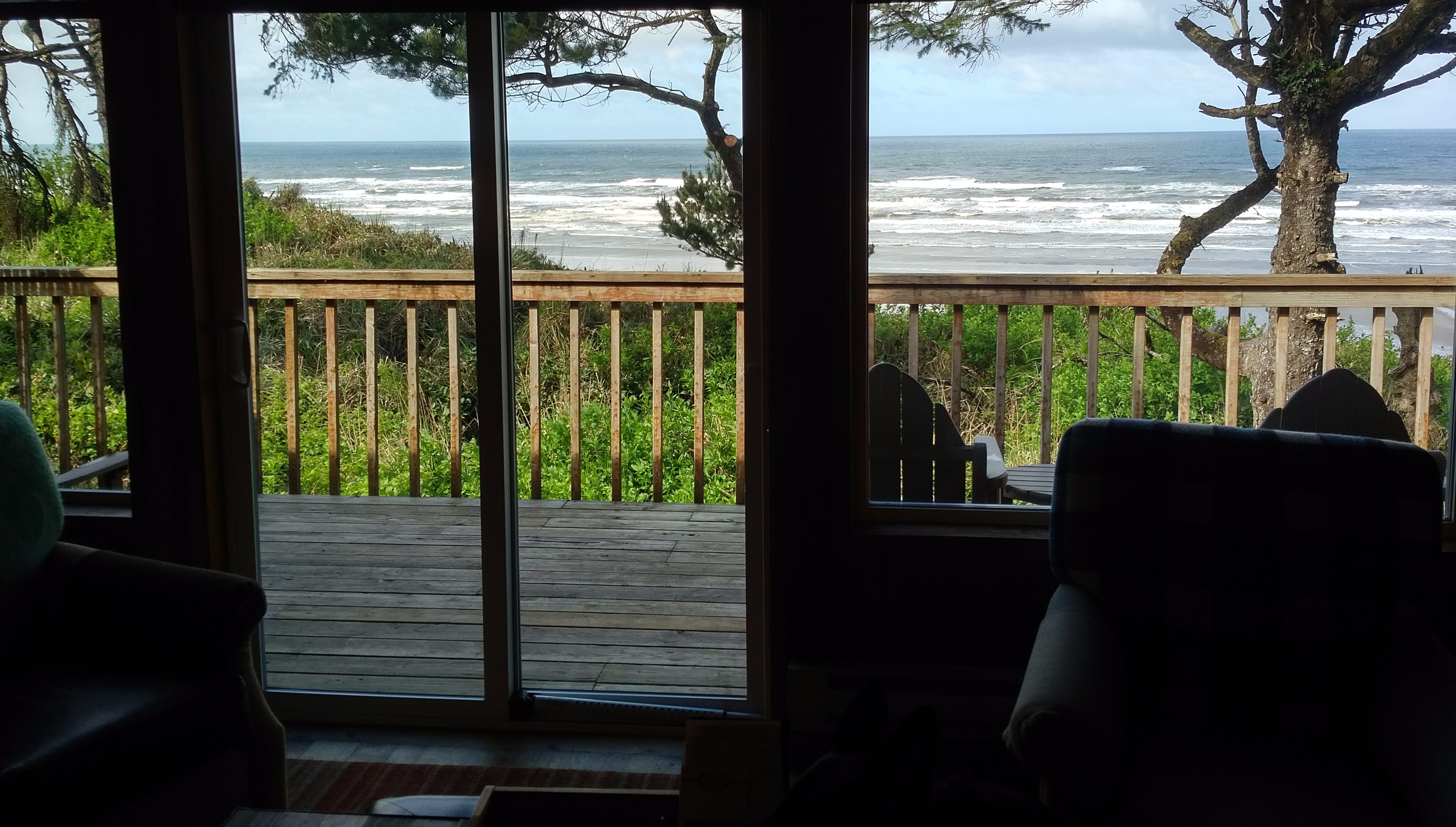
There is no finer end to the day for me than sitting out on the cabin deck with a glass of wine, watching the sun slip into the ocean.  Every cabin has a barbeque grill on the deck, if you’re in the mood.  If it’s windy or rainy, you just move inside, prop your feet up and enjoy the same view through the expansive glass windows and door.

IMG_20170427_2006568

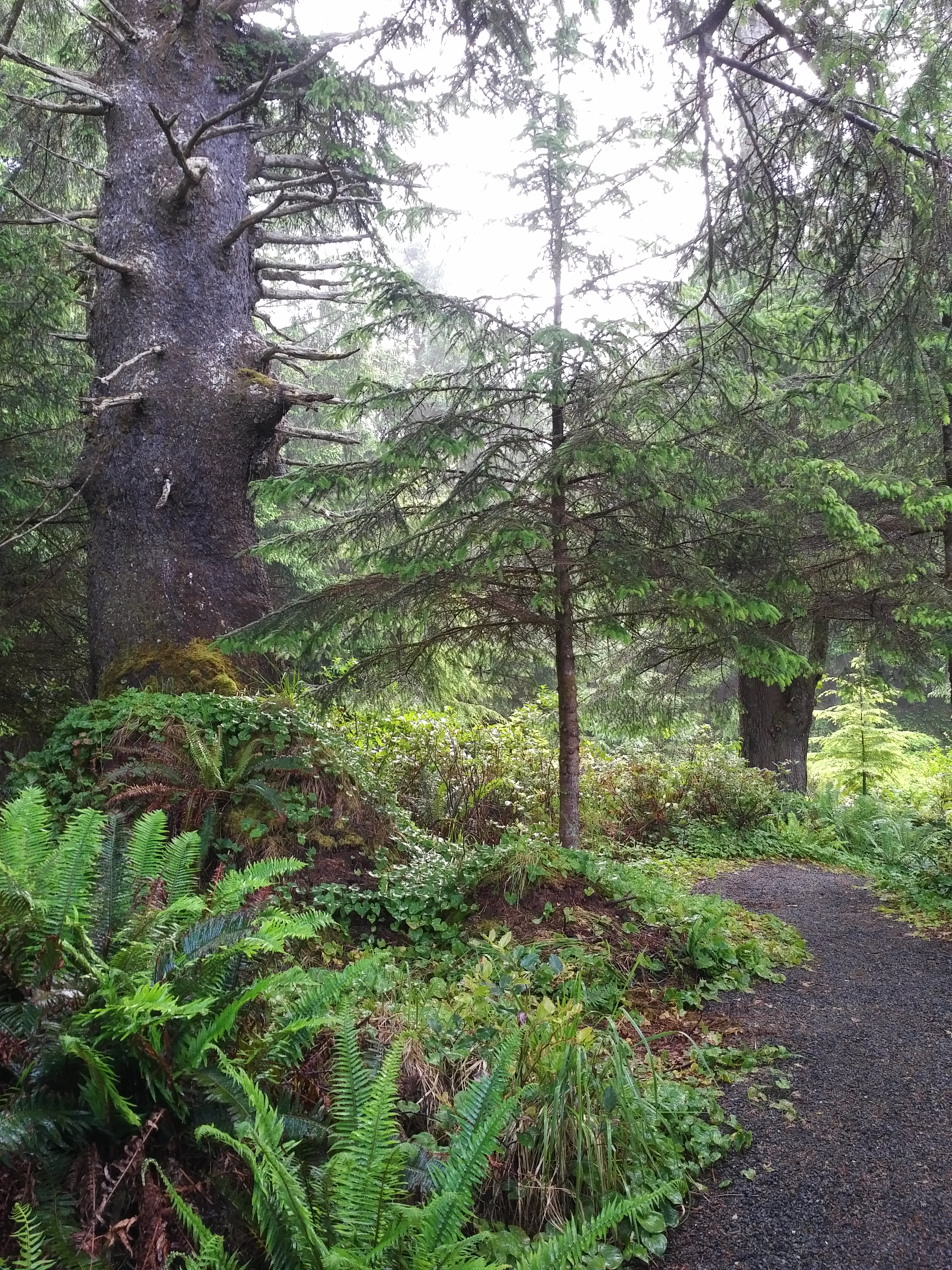
In addition to the Pacific Ocean beach on your front doorstep, there are hiking trails in the second growth forest behind the resort, with “wolf trees” that must get their name from the branches that look to me like wolf teeth.  There’s also fishing, shell fishing, bird watching, as well as marine and rainforest parks.  The razor clams are famous.  The Hoh Rain Forest, a world heritage site, is not far away.
IMG_20170609_0745450

Iron Springs Resort is an easy two and half hour drive from Seattle.  Head west through Olympia towards Aberdeen and then follow the road north to Ocean Shores.  Ocean Shores will be your last chance for grocery and other shopping, and then you keep going north on Washington 109N about another 15 minutes.  After you cross the Copalis River Bridge, keep watch for the large overturned lifeboat on the left, then turn into the parking lot.  Check out of your hectic life and check into ocean time.
img_20170608_2050314.jpg

For more information on Iron Springs Resort, including the history of the area and resort, go to their website at http://www.ironspringsresort.com/  There, you will find out one unusual feature of the resort, which is that the beach in front is home to Copalis Beach Airport.  It is the only known beach airport in the contiguous United States and the only stretch of Washington State beach where it is legal to land a plane.  Timing is everything, in case you plan to fly in – the runway and airplane parking area are under water at high tide!  Click here or the photo for the Washington Department of Transportation Copalis Airport link.

IMG_20170426_1114326


Kalaloch in Winter

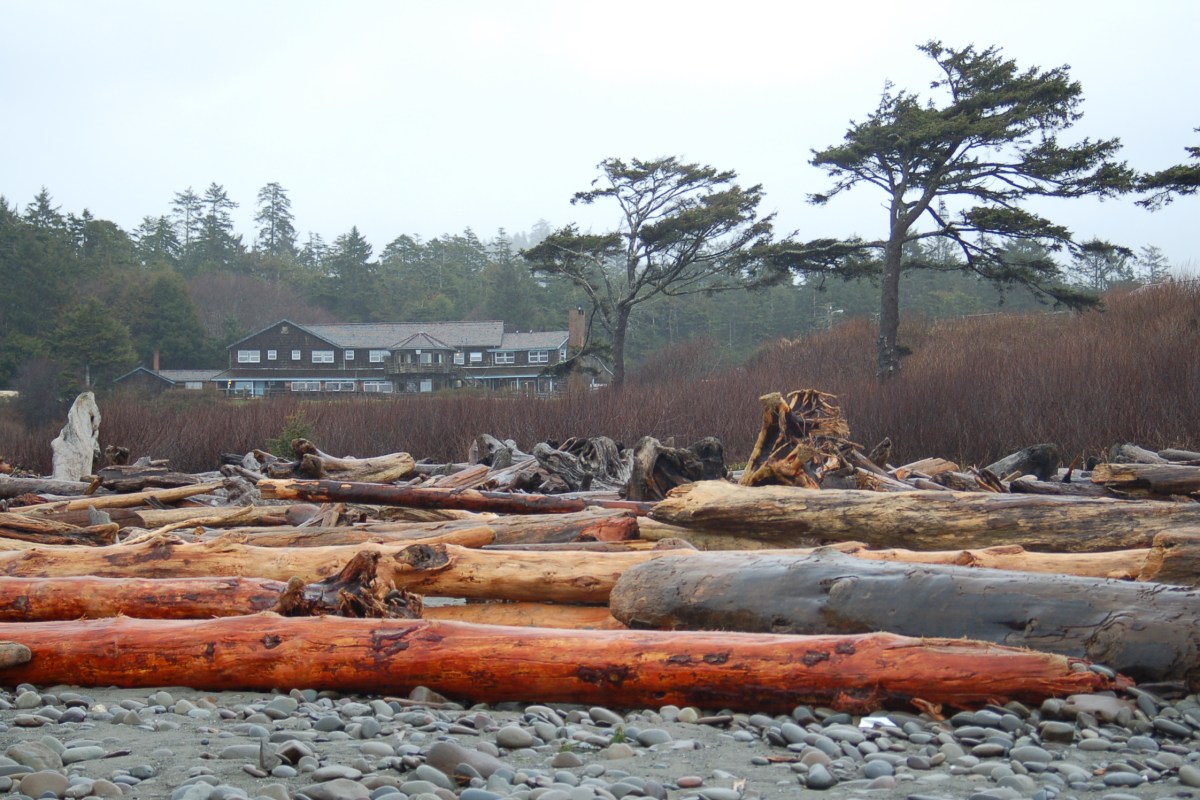
I now live in the Pacific Northwest on Puget Sound.  One of my favorite places is the Kalaloch Lodge in the Olympic National Forest, at the western edge of the continent, directly on the Pacific Ocean.  Kalaloch has a rustic luxury lodge and several cabins directly on the ocean shore where you go to sleep at night and wake up in the morning to the pounding surf.  I prefer to visit in winter, when there are fewer people and the storms come rolling in, blackening the sky and sending mountains of water crashing to the beach.
Kalaloch Lodge

Here are some photos from my last trip.