Photo by S.W. Cosgrove
Know when to cross it
Know when to burn it
Know when it’s real
Know when it only exists in your mind
Writer, Photographer

Photo by S.W. Cosgrove
Know when to cross it
Know when to burn it
Know when it’s real
Know when it only exists in your mind

Photo by S.W. Cosgrove
The view from my office window high above Market Street, looking up Van Ness, as the fog rolled in from the Golden Gate onto The City, changing day into night. I always had a sweater ready in the middle of summer.
The Changing Light by Lawrence Ferlinghetti
The changing light
at San Francisco
is none of your East Coast light
none of your pearly light of Paris
The light of San Francisco
is a sea light
an island light
And the light of fog
blanketing the hills
drifting in at night
through the Golden Gate
to lie on the city at dawn
And then the halcyon late mornings
after the fog burns off
and the sun paints white houses
with the sea light of Greece
with sharp clean shadows
making the town look like
it had just been painted
But the wind comes up at four o’clock
sweeping the hills
And then the veil of light of early evening
And then another scrim
when the new night fog
floats in
And in that vale of light
the city drifts
anchorless upon the ocean
Photo by S.W. Cosgrove
I took this photo during a snow storm on our farm during the last winter of my beloved German Shepherd Nikki’s long life some years back. Her story over 14 years was one of trust, loyalty, protection, and love. I strive to follow her example.
The first to welcome, foremost to defend
Whose honest heart is still his Master’s own
Who labours, fights, lives, breathes for him alone
Lord Byron, Epitaph to a Dog
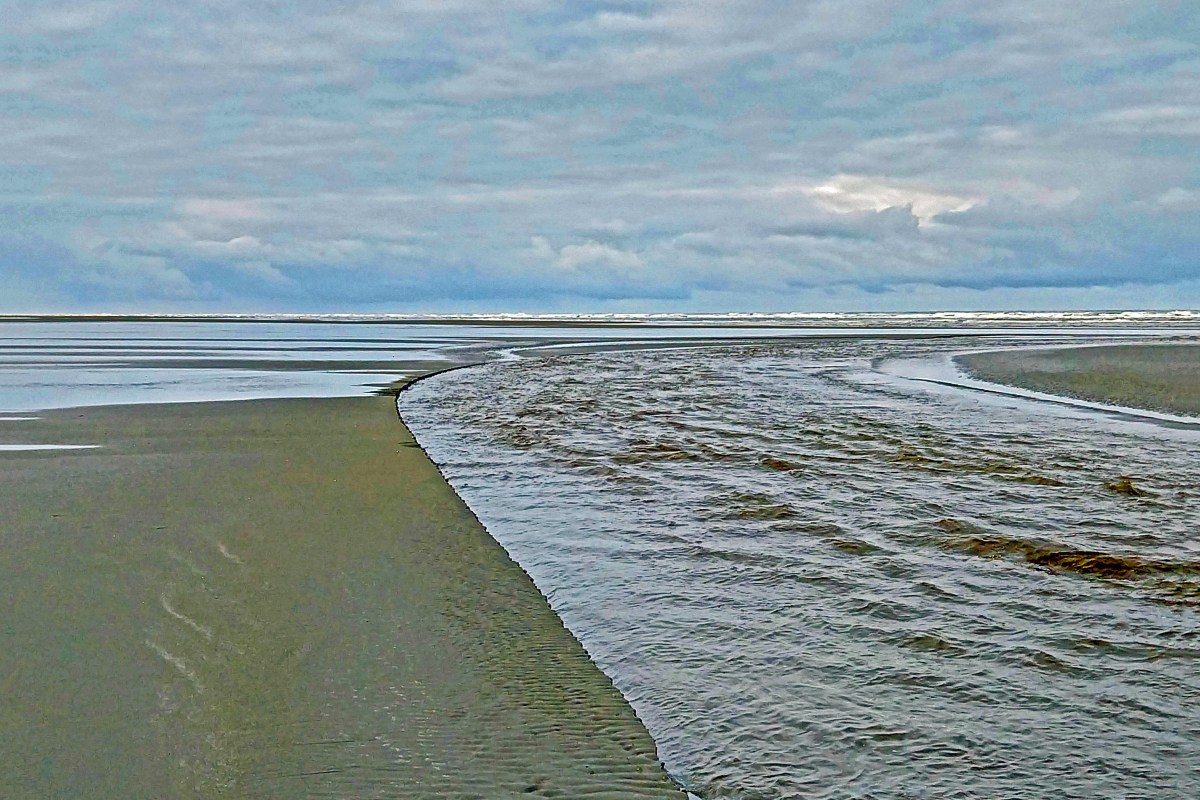
Photo by S.W. Cosgrove
The river flows
It flows to the sea
Wherever that river goes
That’s where I want to be
Moclips River meets the Pacific Ocean, Washington, USA

Photo by S.W. Cosgrove
For my last photo of 2020,
I leave three symbols:
A bare, dying tree
A single crow
A rainbow
Make of them what you will, or make nothing at all.
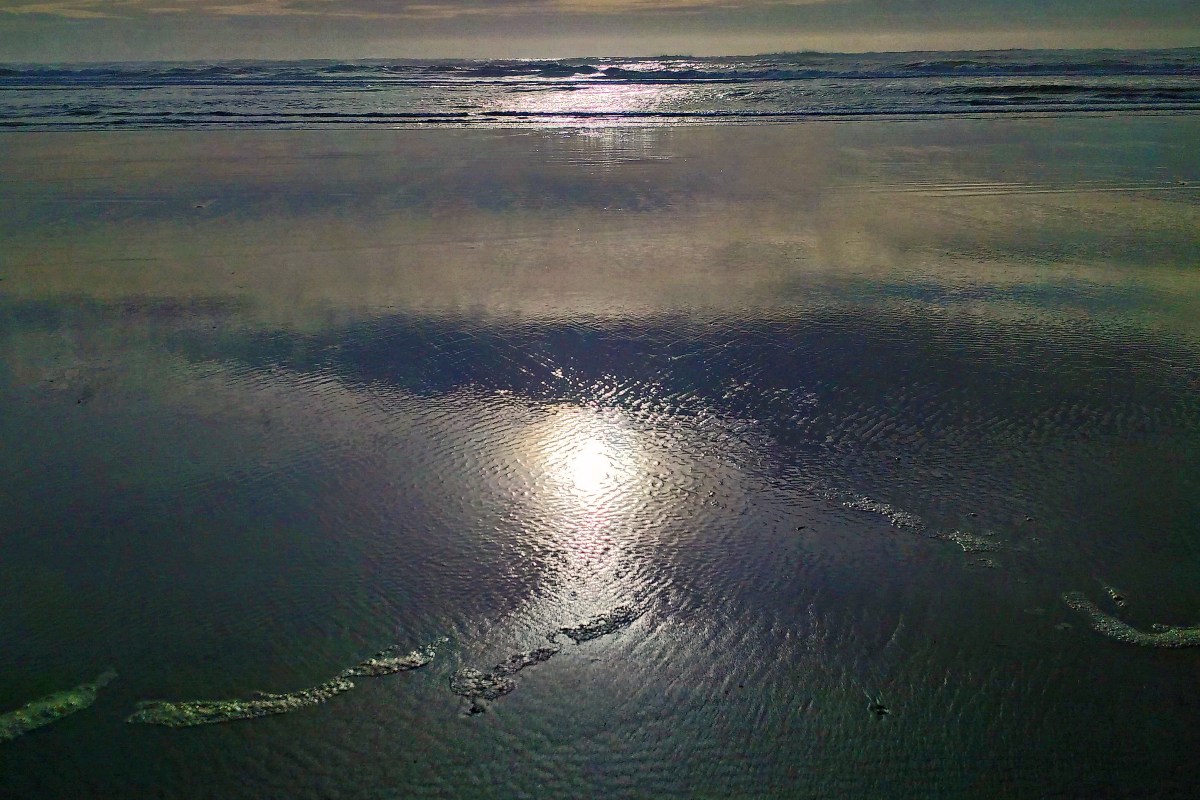
Photo by S.W. Cosgrove
As the winter tide ebbs at dusk,
so shall it rise in a new day,
the eternal dance between earth and sea.
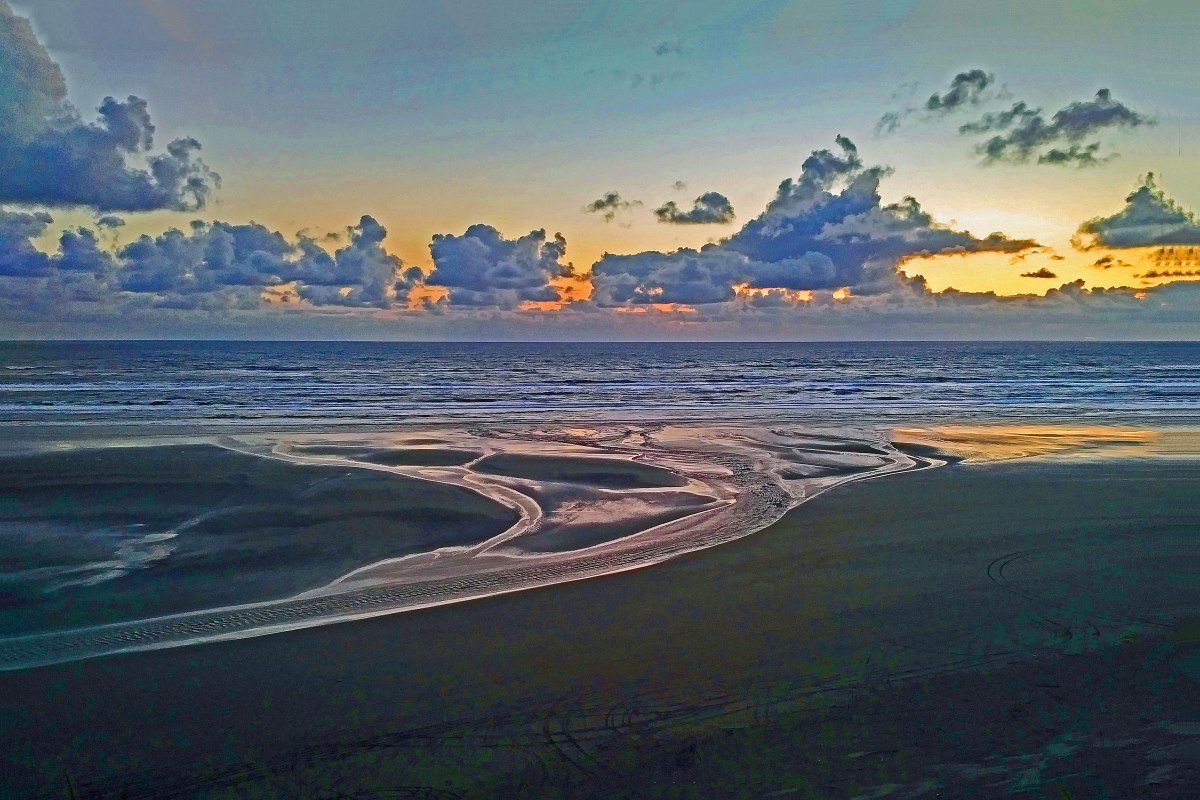
Photo by S.W. Cosgrove
And though I came to forget or regret all I have ever done, yet I would remember that once I saw the dragons aloft on the wind at sunset above the western isles; and I would be content.
― Ursula K. Le Guin, The Farthest Shore

Photo by S.W. Cosgrove
Reflected landscape from a quiet wall in the heart and vascular waiting room. Thursday, December 3, 2020.
In that silent room, I sat listening to my heart beat, feeling it steady and sure, before allowing the doctor to listen and watch with his scopes and machines to this organic metronome of life buried in my chest.
I Can Hear Your Heartbeat – Chris Rea, the Water Sign album
In the silence of the side street
In the whisper of the night
From the darkness of the empty hours
To the early morning light
From the hustle down on Main Street
With all its lights so bright
To the trucker on the highway
Pressing through the night
I can hear your heartbeat

This is a photo I took of a farm that was once a thriving dairy farm just down the road from our farm in Northwestern Wisconsin. I worked in that barn helping milk a herd of 80 cows and putting up hay in the loft. Some 30 years later I revisited and this was all that was left, side boards flapping in the wind. Bankers closed on the farm for debt, and the family who’d owned it for generations moved to town and did what they could to get by.
Remembering Thomas Wolfe: You Can’t Go Home Again
By S.W. Cosgrove
Can you can go home again?
You can go to the place you once knew,
and it will be there
Just not as you remembered, not really
Prepare yourself with vague, misty memories of farms,
green hills, deep woods, and shimmering ponds, eagles soaring above
A big river pulsing over the rocks, under bridges, wandering through riverine sloughs
Catfish lying still on the bottom, unblinking, wary of the hook
The old river still runs deep, still carrying its waters to the sea far away
But the hills have been leveled and covered with subdivisions,
the woods cut and thinned with no eagle nests towering above
The ponds filled and blacktopped
Yes, you can go home again, but
it’s not your home, anymore
It’s home to others who may one day return there
looking for their old home
And it will be there, but not really

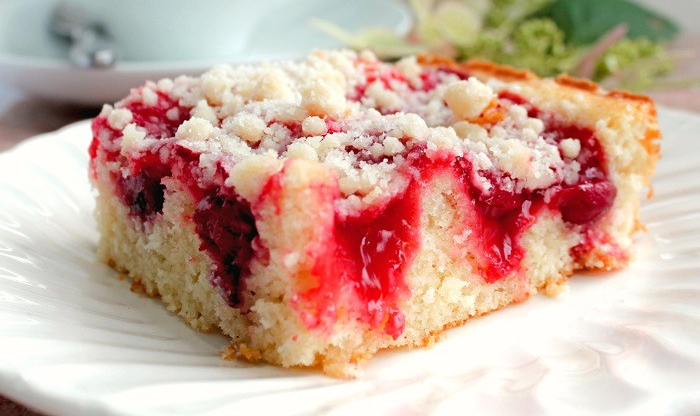
While I was reading an essay on essays, sipping and inhaling the fragrance of a smoky Lapsang Souchong tea, the charry liquid washing down the last of my cherry crumb cake, a fly landed on the cake dish.
There were just a few scraps left, some crumbs and a drop or two of sugary cherry paste.
My first impulse was to flick the bothersome insect away, intruder, pestiferous fly.
But as I watched the little creature wax his translucent wings hopping over the plate, tasting here and there, I thought – lucky fly! What a find on this quiet evening: cherry crumb cake.
I watched the fly’s pleasure and greed at his unexpected, most wonderful treat. Possibly the best meal ever in his short life.
And I thought – that damned fly has as much integrity as any creature on this earth. Certainly in this room. Just earning an honest living and enjoying a nice supper, including desert. Cherry cake crumbs. Pursuing a life of integrity.
He finished his cherry crumb cake while I finished my tea, then off he flew. Fortunately, he didn’t send any of his comrades to finish the job.
I poured a whisky and returned to my essay on essays.

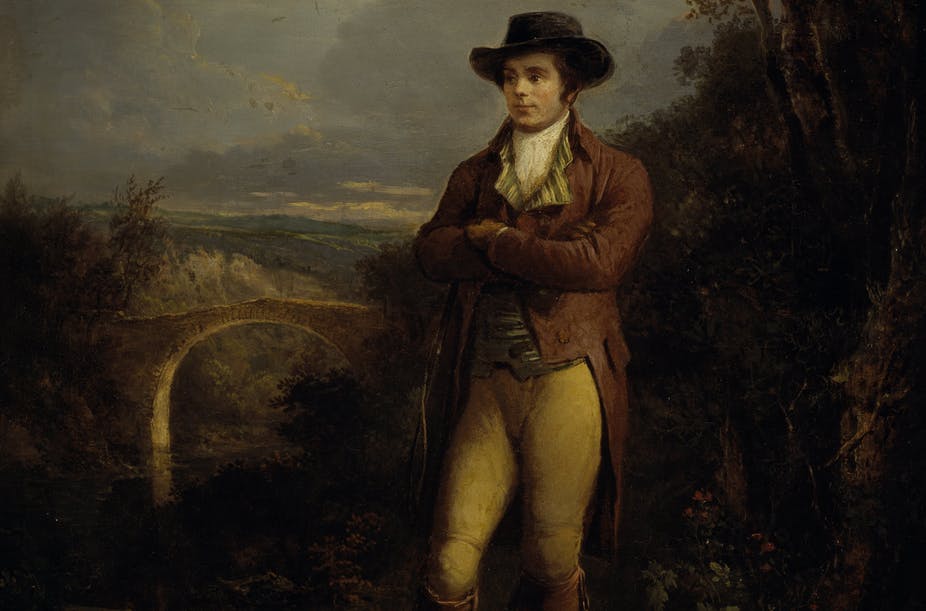
Man Was Made To Mourn: A Dirge
When chill November’s surly blast
Made fields and forests bare,
One ev’ning, as I wander’d forth
Along the banks of Ayr,
I spied a man, whose aged step
Seem’d weary, worn with care;
His face furrow’d o’er with years,
And hoary was his hair.
“Young stranger, whither wand’rest thou?”
Began the rev’rend sage;
“Does thirst of wealth thy step constrain,
Or youthful pleasure’s rage?
Or haply, prest with cares and woes,
Too soon thou hast began
To wander forth, with me to mourn
The miseries of man.
“The sun that overhangs yon moors,
Out-spreading far and wide,
Where hundreds labour to support
A haughty lordling’s pride;-
I’ve seen yon weary winter-sun
Twice forty times return;
And ev’ry time has added proofs,
That man was made to mourn.
“O man! while in thy early years,
How prodigal of time!
Mis-spending all thy precious hours-
Thy glorious, youthful prime!
Alternate follies take the sway;
Licentious passions burn;
Which tenfold force gives Nature’s law.
That man was made to mourn.
“Look not alone on youthful prime,
Or manhood’s active might;
Man then is useful to his kind,
Supported in his right:
But see him on the edge of life,
With cares and sorrows worn;
Then Age and Want-oh! ill-match’d pair-
Shew man was made to mourn.
“A few seem favourites of fate,
In pleasure’s lap carest;
Yet, think not all the rich and great
Are likewise truly blest:
But oh! what crowds in ev’ry land,
All wretched and forlorn,
Thro’ weary life this lesson learn,
That man was made to mourn.
“Many and sharp the num’rous ills
Inwoven with our frame!
More pointed still we make ourselves,
Regret, remorse, and shame!
And man, whose heav’n-erected face
The smiles of love adorn, –
Man’s inhumanity to man
Makes countless thousands mourn!
“See yonder poor, o’erlabour’d wight,
So abject, mean, and vile,
Who begs a brother of the earth
To give him leave to toil;
And see his lordly fellow-worm
The poor petition spurn,
Unmindful, tho’ a weeping wife
And helpless offspring mourn.
“If I’m design’d yon lordling’s slave,
By Nature’s law design’d,
Why was an independent wish
E’er planted in my mind?
If not, why am I subject to
His cruelty, or scorn?
Or why has man the will and pow’r
To make his fellow mourn?
“Yet, let not this too much, my son,
Disturb thy youthful breast:
This partial view of human-kind
Is surely not the last!
The poor, oppressed, honest man
Had never, sure, been born,
Had there not been some recompense
To comfort those that mourn!
“O Death! the poor man’s dearest friend,
The kindest and the best!
Welcome the hour my aged limbs
Are laid with thee at rest!
The great, the wealthy fear thy blow
From pomp and pleasure torn;
But, oh! a blest relief for those
That weary-laden mourn!”

Dharma by Billy Collins
The way the dog trots out the front door
every morning
without a hat or an umbrella,
without any money
or the keys to her doghouse
never fails to fill the saucer of my heart
with milky admiration.
Who provides a finer example
of a life without encumbrance—
Thoreau in his curtainless hut
with a single plate, a single spoon?
Gandhi with his staff and his holy diapers?
Off she goes into the material world
with nothing but her brown coat
and her modest blue collar,
following only her wet nose,
the twin portals of her steady breathing,
followed only by the plume of her tail.
If only she did not shove the cat aside
every morning
and eat all his food
what a model of self-containment she
would be,
what a paragon of earthly detachment.
If only she were not so eager
for a rub behind the ears,
so acrobatic in her welcomes,
if only I were not her god.

All day the stars watch from long ago
my mother said I am going now
when you are alone you will be all right
whether or not you know you will know
look at the old house in the dawn rain
all the flowers are forms of water
the sun reminds them through a white cloud
touches the patchwork spread on the hill
the washed colors of the afterlife
that lived there long before you were born
see how they wake without a question
even though the whole world is burning

Arvo Pärt, Else Torp, and Christopher Bowers
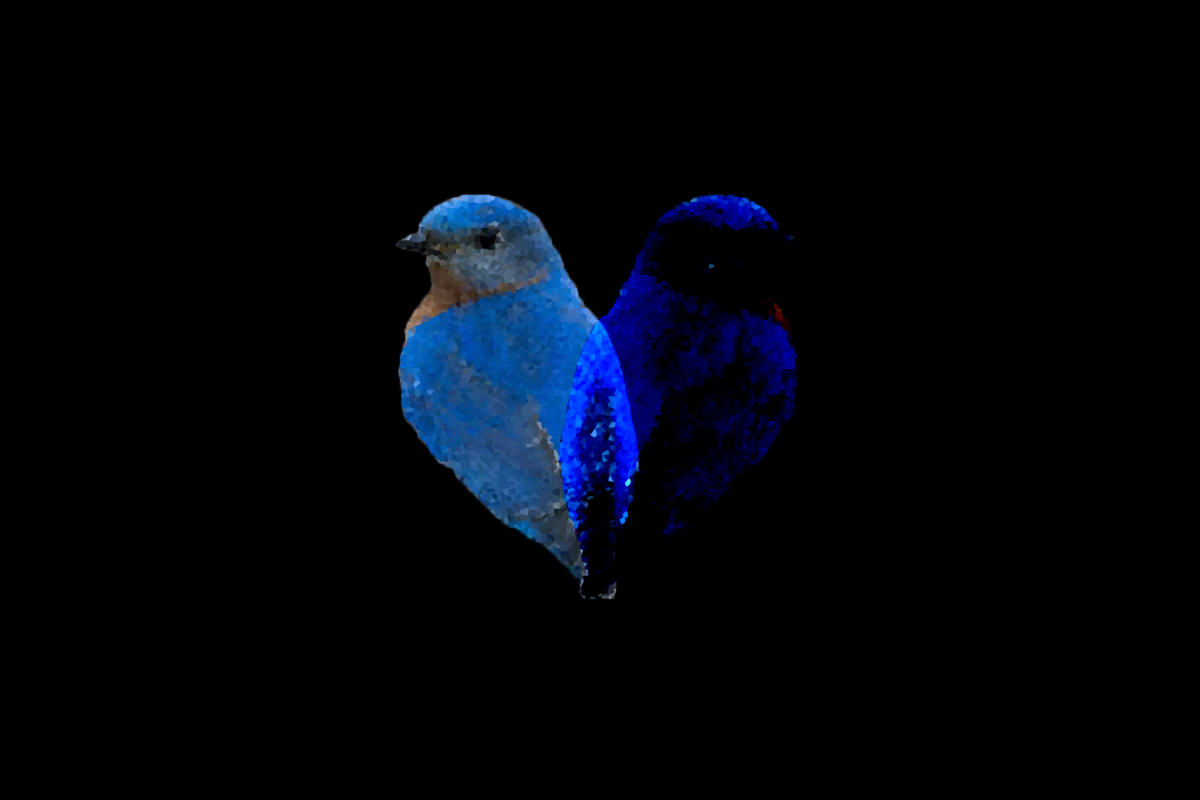
there’s a bluebird in my heart that
wants to get out
but I’m too tough for him,
I say,
stay down, do you want to mess
me up?
you want to screw up the
works?
you want to blow my book sales in
Europe?
there’s a bluebird in my heart that
wants to get out
but I’m too clever, I only let him out
at night sometimes
when everybody’s asleep.
I say, I know that you’re there,
so don’t be
sad.
then I put him back,
but he’s singing a little
in there, I haven’t quite let him
die
and we sleep together like
that
with our
secret pact
and it’s nice enough to
make a man
weep, but I don’t
weep, do
you?
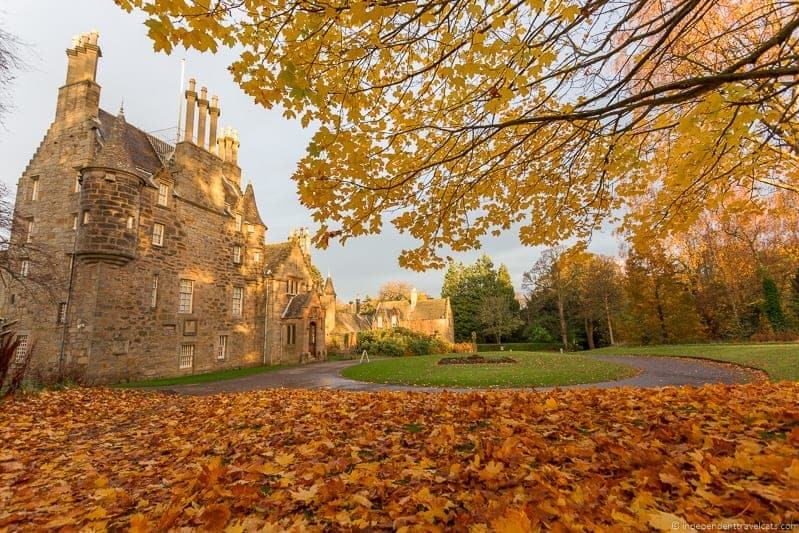

Portrait of the poet Rainer Maria Rilke (1875-1926)
Artist: Leonid Osipovich Pasternak (1862-1945)
Solitude
Rainer Maria Rilke
Solitude is like a rain.
It rises from the sea toward evening;
from plains, which are distant and remote,
it goes to the sky, which always has it.
And only then it falls from the sky on the city.
It rains down in the in-between hours,
when all the crooked streets turn toward morning,
and when the bodies, which found nothing,
leave each other feeling sad and disappointed;
and when the people, who hate each other,
have to sleep together in one bed:
then solitude flows with the rivers . . .
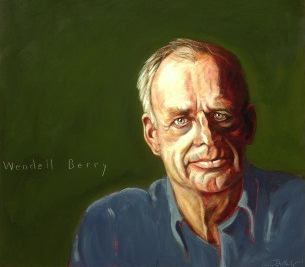
QUESTIONNAIRE
by Wendell Berry
With thanks to https://www.brainpickings.org/2019/08/14/wendell-berry-questionnaire-amanda-palmer/


Mistah Kurtz – he dead.
A penny for the Old Guy
I
We are the hollow men
We are the stuffed men
Leaning together
Headpiece filled with straw. Alas!
Our dried voices, when
We whisper together
Are quiet and meaningless
As wind in dry grass
or rats’ feet over broken glass
In our dry cellar
Shape without form, shade without colour,
Paralysed force, gesture without motion;
Those who have crossed
With direct eyes, to death’s other kingdom
Remember us – if at all – not as lost
Violent souls, but only
As the hollow men
The stuffed men.

Eyes I dare not meet in dreams
In death’s dream kingdom
These do not appear:
There, the eyes are
Sunlight on a broken column
There, is a tree swinging
And voices are
In the wind’s singing
More distant and more solemn
Than a fading star.
Let me be no nearer
In death’s dream kingdom
Let me also wear
Such deliberate disguises
Rat’s coat, crowskin, crossed staves
In a field
Behaving as the wind behaves
No nearer –
Not that final meeting
In the twilight kingdom

III
This is the dead land
This is cactus land
Here the stone images
Are raised, here they receive
The supplication of a dead man’s hand
Under the twinkle of a fading star.
Is it like this
In death’s other kingdom
Waking alone
At the hour when we are
Trembling with tenderness
Lips that would kiss
Form prayers to broken stone.

IV
The eyes are not here
There are no eyes here
In this valley of dying stars
In this hollow valley
This broken jaw of our lost kingdoms
In this last of meeting places
We grope together
And avoid speech
Gathered on this beach of this tumid river
Sightless, unless
The eyes reappear
As the perpetual star
Multifoliate rose
Of death’s twilight kingdom
The hope only
Of empty men.

V
Here we go round the prickly pear
Prickly pear prickly pear
Here we go round the prickly pear
At five o’clock in the morning.
Between the idea
And the reality
Between the motion
And the act
Falls the Shadow
For Thine is the Kingdom
Between the conception
And the creation
Between the emotion
And the response
Falls the Shadow
Life is very long
Between the desire
And the spasm
Between the potency
And the existence
Between the essence
And the descent
Falls the Shadow
For Thine is the Kingdom
For Thine is
Life is
For Thine is the
This is the way the world ends
This is the way the world ends
This is the way the world ends
Not with a bang but with a whimper.

Australian bush poet A.B. “Banjo” Paterson (author of Waltzing Matilda) wrote “The Man From Snowy River.” Paterson grew up in the Outback and knew it well.
The mythical ride is set in the Snowy River region of southeastern New South Wales and eastern Victoria, Australia, on the eastern slopes of the Snowy Mountains near Mount Kosciuszko.
“The Man From Snowy River” was first published in The Bulletin, an Australian news magazine, on April 26, 1890. In October 1895, it appeared in a collection of Paterson’s poems, The Man from Snowy River and Other Verses.
There was movement at the station, for the word had passed around
That the colt from old Regret had got away,
And had joined the wild bush horses – he was worth a thousand pound,
So all the cracks had gathered to the fray.
All the tried and noted riders from the stations near and far
Had mustered at the homestead overnight,
For the bushmen love hard riding where the wild bush horses are,
And the stock-horse snuffs the battle with delight.
There was Harrison, who made his pile when Pardon won the cup,
The old man with his hair as white as snow;
But few could ride beside him when his blood was fairly up-
He would go wherever horse and man could go.
And Clancy of the Overflow came down to lend a hand,
No better horseman ever held the reins;
For never horse could throw him while the saddle girths would stand,
He learnt to ride while droving on the plains.
And one was there, a stripling on a small and weedy beast,
He was something like a racehorse undersized,
With a touch of Timor pony – three parts thoroughbred at least –
And such as are by mountain horsemen prized.
He was hard and tough and wiry – just the sort that won’t say die –
There was courage in his quick impatient tread;
And he bore the badge of gameness in his bright and fiery eye,
And the proud and lofty carriage of his head.
But so slight and weedy, one would doubt his power to stay,
And the old man said, “That horse will never do
For a long and tiring gallop-lad, you’d better stop away,
Those hills are far too rough for such as you.”
So he waited sad and wistful – only Clancy stood his friend –
“I think we ought to let him come,” he said;
“I warrant he’ll be with us when he’s wanted at the end,
For both his horse and he are mountain bred.”
“He hails from Snowy River, up by Kosciusko’s side,
Where the hills are twice as steep and twice as rough,
Where a horse’s hoofs strike firelight from the flint stones every stride,
The man that holds his own is good enough.
And the Snowy River riders on the mountains make their home,
Where the river runs those giant hills between;
I have seen full many horsemen since I first commenced to roam,
But nowhere yet such horsemen have I seen.”
So he went – they found the horses by the big mimosa clump –
They raced away towards the mountain’s brow,
And the old man gave his orders, “Boys, go at them from the jump,
No use to try for fancy riding now.
And, Clancy, you must wheel them, try and wheel them to the right.
Ride boldly, lad, and never fear the spills,
For never yet was rider that could keep the mob in sight,
If once they gain the shelter of those hills.”
So Clancy rode to wheel them – he was racing on the wing
Where the best and boldest riders take their place,
And he raced his stockhorse past them, and he made the ranges ring
With stockwhip, as he met them face to face.
Then they halted for a moment, while he swung the dreaded lash,
But they saw their well-loved mountain full in view,
And they charged beneath the stockwhip with a sharp and sudden dash,
And off into the mountain scrub they flew.
Then fast the horsemen followed, where the gorges deep and black
Resounded to the thunder of their tread,
And the stockwhips woke the echoes, and they fiercely answered back
From cliffs and crags that beetled overhead.
And upward, ever upward, the wild horses held their sway,
Were mountain ash and kurrajong grew wide;
And the old man muttered fiercely, “We may bid the mob good day,
No man can hold them down the other side.”
When they reached the mountain’s summit, even Clancy took a pull,
It well might make the boldest hold their breath,
The wild hop scrub grew thickly, and the hidden ground was full
Of wombat holes, and any slip was death.
But the man from Snowy River let the pony have his head,
And he swung his stockwhip round and gave a cheer,
And he raced him down the mountain like a torrent down its bed,
While the others stood and watched in very fear.
He sent the flint stones flying, but the pony kept his feet,
He cleared the fallen timbers in his stride,
And the man from Snowy River never shifted in his seat –
It was grand to see that mountain horseman ride.
Through the stringybarks and saplings, on the rough and broken ground,
Down the hillside at a racing pace he went;
And he never drew the bridle till he landed safe and sound,
At the bottom of that terrible descent.
He was right among the horses as they climbed the further hill
And the watchers on the mountain standing mute,
Saw him ply the stockwhip fiercely, he was right among them still,
As he raced across the clearing in pursuit.
Then they lost him for a moment, where two mountain gullies met
In the ranges, but a final glimpse reveals
On a dim and distant hillside the wild horses racing yet,
With the man from Snowy River at their heels.
And he ran them single-handed till their sides were white with foam.
He followed like a bloodhound in their track,
Till they halted cowed and beaten, then he turned their heads for home,
And alone and unassisted brought them back.
But his hardy mountain pony he could scarcely raise a trot,
He was blood from hip to shoulder from the spur;
But his pluck was still undaunted, and his courage fiery hot,
For never yet was mountain horse a cur.
And down by Kosciusko, where the pine-clad ridges raise
Their torn and rugged battlements on high,
Where the air is clear as crystal, and the white stars fairly blaze
At midnight in the cold and frosty sky,
And where around The Overflow the reed beds sweep and sway
To the breezes, and the rolling plains are wide,
The man from Snowy River is a household word today,
And the stockmen tell the story of his ride.

 SW COSGROVE